






 NaN
NaN


Where to beat the summer heat in Asia

Summers in Asia are notoriously hot and humid, with monsoons that dump heavy rains from Japan all the way to Sri Lanka. But you don’t need to leave the region to find relief. We’ve reviewed the average temperatures to pick out destinations that stay in the milder 20°C range – often by virtue of being located at altitude or in a rain shadow (a sheltered mountainside). Find out where to steal away for a refreshing late-summer Asian getaway.
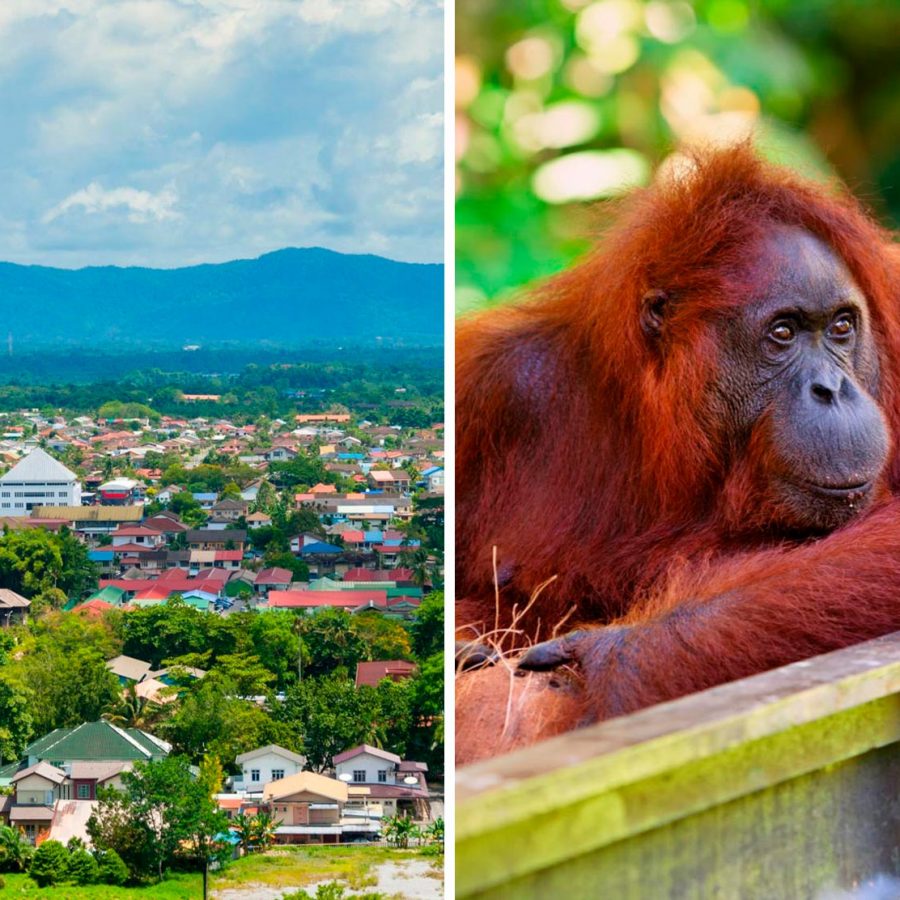
Left: Robertharding / Alamy Stock Photo; Right: Denis Moskvinov / Alamy Stock Photo
Malaysian Borneo
Rare wildlife, world-class diving, distinctive Chinese-Malay-Dutch architecture and contemporary urban perks – Malaysian Borneo has it all. Its gateway cities Kuching and Sandakan, capitals of Sarawak and Sabah provinces, respectively, exude vintage charm and offer a multicultural food scene. The best action, however, happens outside city limits. For tropical rainforest trekking and orangutan sightings, head to Sarawak’s Semenggoh Wildlife Rehabilitation Centre or Sabah’s Sepilok Orangutan Rehabilitation Centre . Serious adventurers can scale the 4,000-metre volcanic spires of Mount Kinabalu, South East Asia’s third highest peak, or explore the labyrinth caves at Gunung Mulu National Park , a Unesco World Heritage site. From Kuching, sail through rainforests and experience tribal community life with an indigenous Iban family. For snorkelling and diving, head to Sipadan or Mabul islands off Sabah’s southeastern coast.
Average temperature in August: 27°C
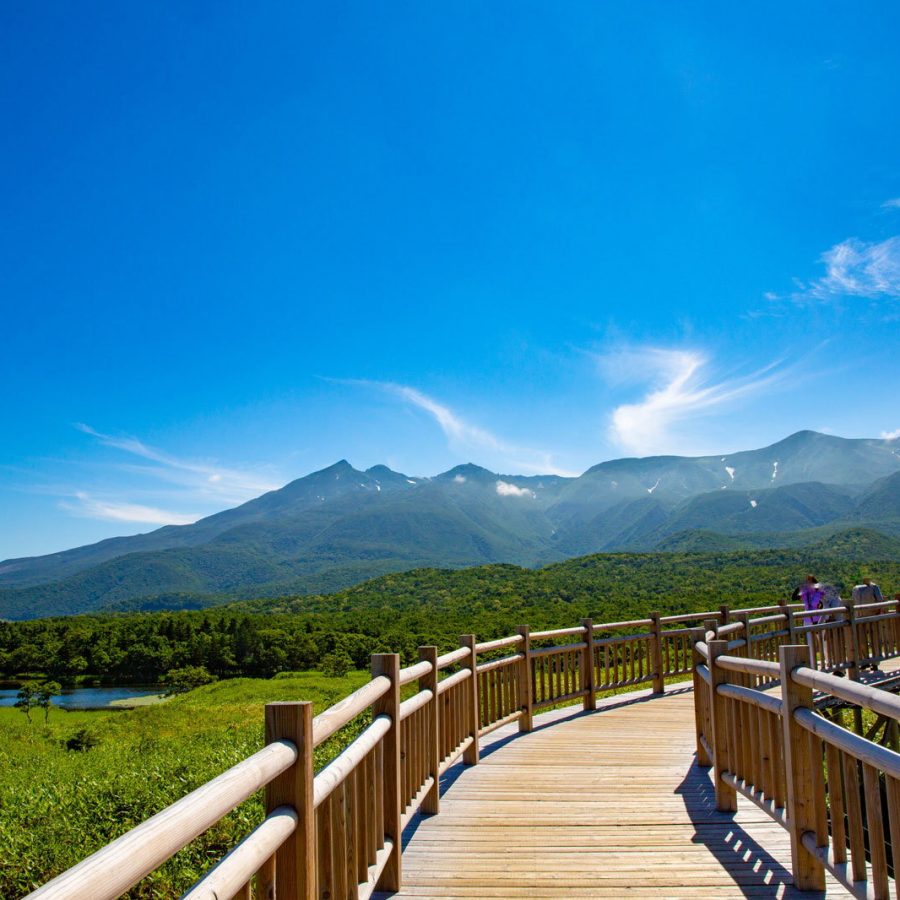
Hokkaido, Japan
Japan’s mountainous northern isle of Hokkaido is most famous as a winter ski destination, but the balmy climate makes it equally appealing for summer adventures. Trekking through forested hillsides in Akan-Mashu National Park and bear-spotting in Shiretoko National Park are just two ways to embrace the outdoors. Head inland, and you’ll encounter a pastoral wonderland crisscrossed by cattle ranches, dairies, vineyards and buckwheat farms. This translates to homespun meals featuring free-range wagyu beef – Japan’s best producers are here – and generous pours of handcrafted sake, whisky and wine. More bounty, namely fresh seafood specialities, awaits along Hokkaido’s road-trip-worthy coastal towns. And flying out of Sapporo is a great excuse to sample the city’s rare single malts and craft beers.
Average daytime temperature in August: 22°C
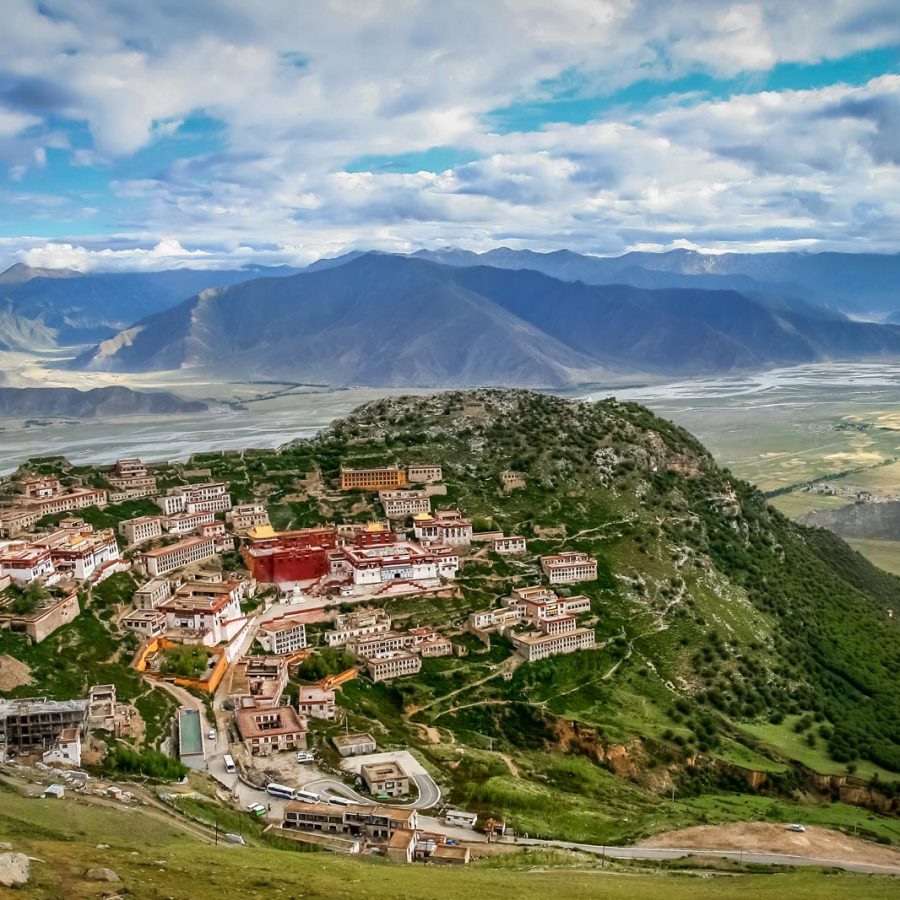
Credit: pawopa3336/iStock
Lhasa, Tibetan Autonomous Region, China
Lhasa, the world’s seventh-highest city and Tibet’s spiritual heart, is surrounded by formidable Himalayan peaks. It comes to life in summer, when the urban pursuits include strolling the incense-filled prayer halls of the seventh century Jokhang Temple; watching pilgrims do full body prostrations at Potala Palace; and haggling with nomads for silver and turquoise amulets at Barkhor Square. A growing restaurant scene dishes Tibetan favourites like thukpa, a noodle soup; and momos, dumplings stuffed with yak, potatoes or vegetables. To immerse yourself in Tibet’s natural beauty, head east to the Kham region of glacier-fed rivers and rolling grasslands. In Dzongsar, a community of artisans makes brass foundries (for Buddha images), lacquerware, ceramics, colourful thangka paintings and herbal apothecaries. Visit Dege township, just over the border in Sichuan province, where Dege Parkhang Sutra-Printing House produces traditional texts using wooden printing blocks.
Average daytime temperature in August: 21°C
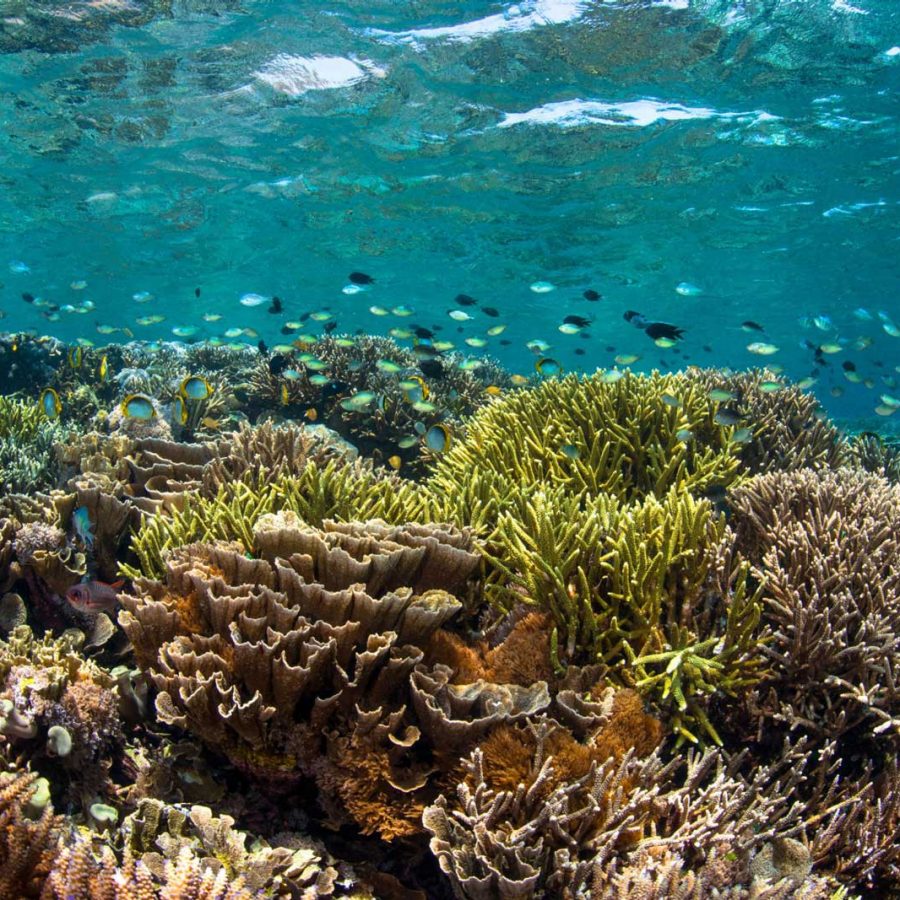
Credit: Christian Loader / Alamy Stock Photo
Komodo, Indonesia
Komodo National Park is the only place you can see the komodo dragon, the world’s largest monitor lizard, in the wild. The protected marine area lies between the islands of Sumbawa and Flores. Formerly a Portuguese colony and home to a number of distinct indigenous groups, Flores long lagged behind Bali – which is equally refreshing in summertime – but dragon-seekers are driving a recent tourism boom. They transit through its west coast town of Labuan Bajo, which has seen an influx of newly-opened boutique hotels and phinisi charters (traditional Indonesian liveaboard boats) that make day or overnight sails around Komodo National Park. Take a guided tour with park rangers to spot the namesake dragons; picnic on a pink-sand beach; and snorkel among coral, green sea turtles and mild-mannered manta rays.
Average temperature in August: 25°C
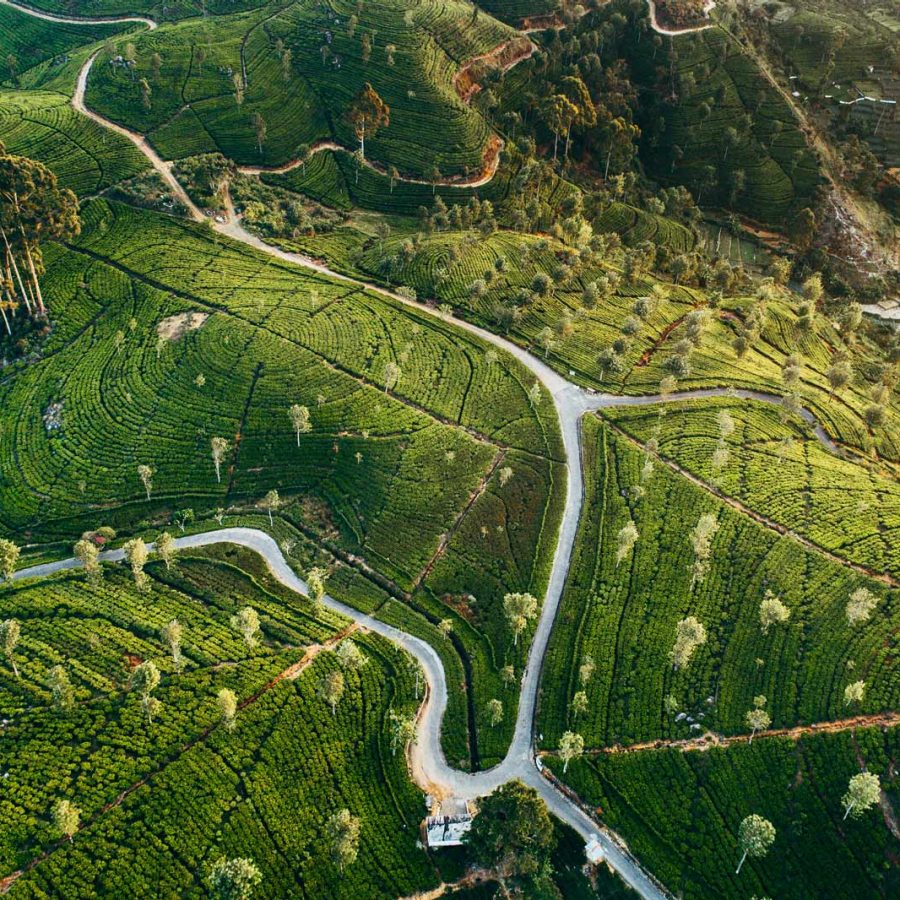
Central Highlands and Eastern Sri Lanka
Hop aboard the Sri Lankan rails to time travel through dewy central highlands and stop off at old-world tea estates. The quaint hill stations of Kandy, Ella and Nuwara Eliya are a colonial throwback that encourage taking it slow. You might spend one afternoon quaffing gin on a veranda and the next on a tea tour of surrounding plantations such as Pedro Tea Estate, established in 1885. The five restored tea planters’ bungalows that make up Ceylon Tea Trails provide a luxurious, atmospheric base for exploring the area. Active travellers can climb Adam’s Peak, hit the golf links or hike waterfall-filled national parks. Meanwhile, the white sands of Arugam Bay, a six hour drive away on the east coast, entice surfers and sunbathers with a low-key bohemian vibe.
Average daytime temperature in August: 24°C in the central highlands; 28°C in Arugam Bay
Credit: Alexey Stiop / Alamy Stock Photo
Ladakh, India
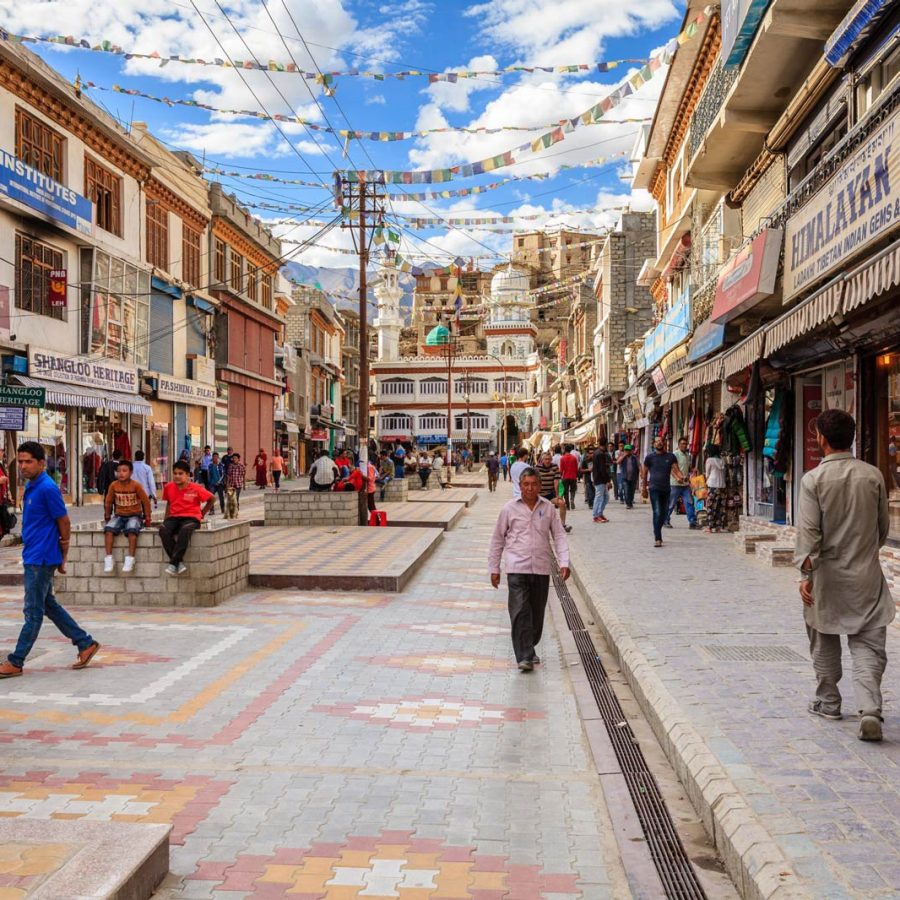
Tucked between snow-capped Himalayan and Karakoram peaks, the high-desert Indian city of Leh enjoys temperate summers without the monsoons that inundate much of the rest of India. Nimmu House and Stok Palace , which once housed royalty, now welcome all-comers for overnight stays and culinary experiences that delve into the region’s Silk Road-inspired cuisine and foraging traditions. The Ladakh Festival , held annually in September, is also a wonderful introduction to the Tibetan-influenced culture, cuisine and music. Homegrown trekking outfits offer great day and overnight experiences to the breathtaking Nubra and Suru valleys, with their timeless Buddhist monasteries and enduring nomadic communities.
Average daytime temperature in August: 25°C
Credit: Kidsada Manchinda / Alamy Stock Photo
Chiang Rai, Thailand
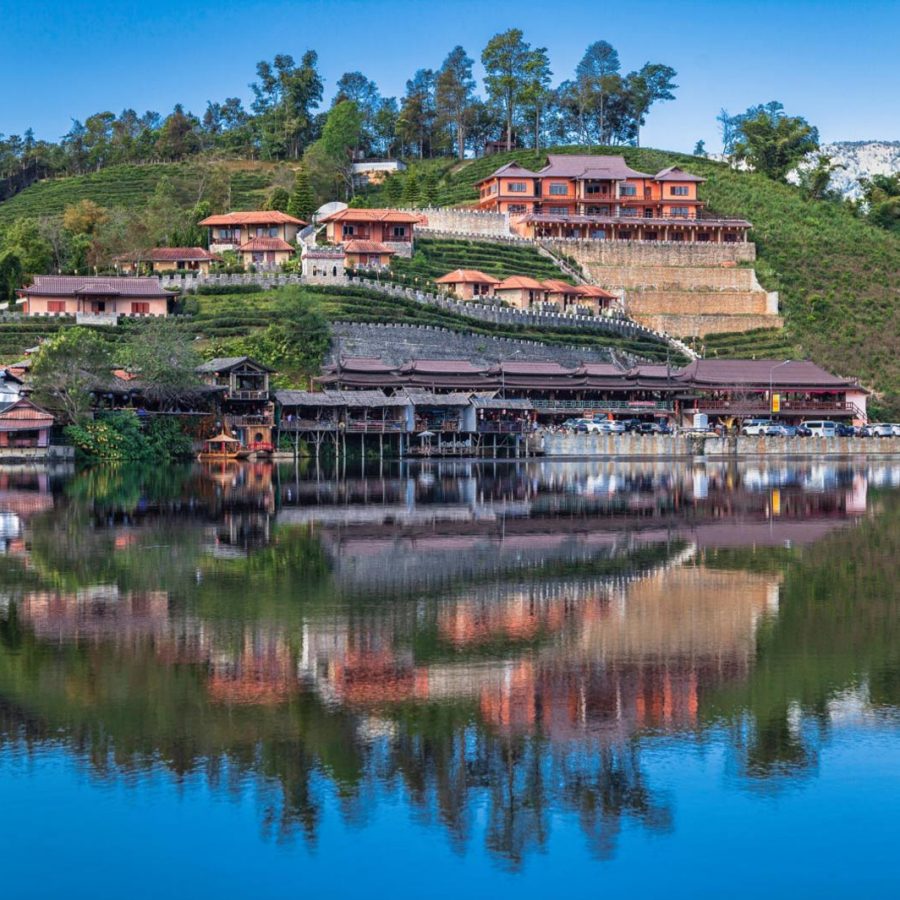
Thanks to its jade-green paddies, misty mountains and glistening temples, there’s never really a bad time to be in the northern Thai city of Chiang Rai. Though monsoon showers come and go until late September, the rain cools off the town quickly – and makes cafe-hopping along the Ping river or visiting elephant sanctuaries a pleasant affair. At Locus Native Food Lab , Chef Kong bases his modern cuisine on indigenous meats and foraged mushrooms, herbs and forest greens that have been part of Lanna, or northern Thai, cuisine for generations. Chiang Rai is a good base for forays into the Lanna hinterland, including Mae Taeng, Thailand’s upland tea country; Mae Hong Son, an energetic frontier town where the population includes members of the Akha, Lisu and Karen hill tribes; and, Pai, a bohemian retreat for yogis keen on perfecting their asanas (join them at Xhale Yoga ) and hiking waterfall-lined mountain trails.
Average daytime temperature in August: 26.5°C
Pyin Oo Lwin, Myanmar
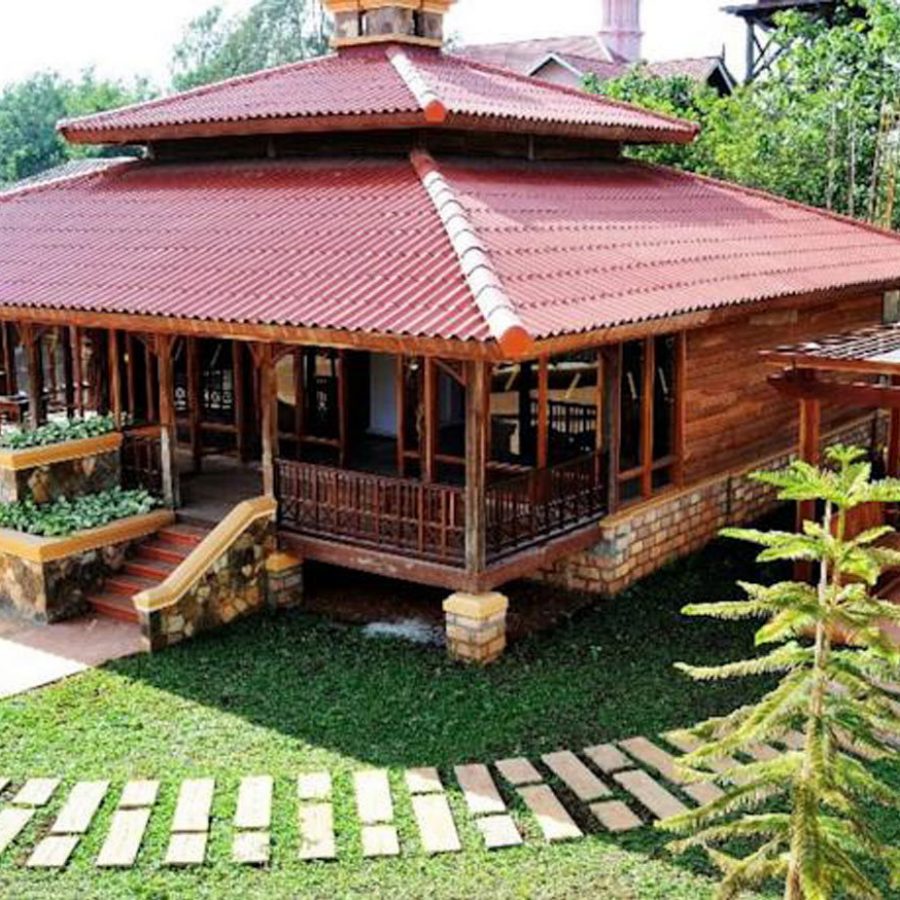
To be clear, summer is not the preferred time to visit Myanmar, which is mostly beset by heavy rainfall and hot temperatures. But one refreshing exception is the hill station of Pyin Oo Lwin, amid strawberry fields and gardens. Indeed, it was founded in 1896 by the British as a summer escape from the colonial-era capital of Mandalay, 60 kilometres to the west. The culturally minded and eco-friendly Hotel Pyin Oo Lwin features classic British Tudor architecture and a central location by the National Kandawgyi Botanical Gardens. Horse-and-buggy taxis are still the best way to get around the town. To explore the area with local insights, join one of Pyin Oo Lwin Trek ’s sustainable winery and wildlife treks. You might combine a stay in town with a visit to sister property The View Resort’s bungalows and organic gardens, scattered across a forested hillside overlooking Mandalay Valley; a 30-minute trek leads to Dat Taw Gyaint Waterfall.
Average temperature in August: 23°C
More inspiration
- China – the Chinese Mainland, Hong Kong SAR, Macao SAR and Taiwan Region
- Hong Kong SAR - English
- Chinese Mainland (China) - English
- Taiwan, China - English
- 香港特別行政區 - 繁體中文
- 中国內地 - 简体中文
- 中國台灣 - 繁體中文
- Africa
- South Africa - English
- Asia
- Bangladesh - English
- Korea - English
- Singapore - English
- Cambodia - English
- 한국 - 한국어
- Sri Lanka - English
- India - English
- Malaysia - English
- Thailand - English
- Indonesia - English
- Maldives - English
- ประเทศไทย - ภาษาไทย
- Indonesia - Bahasa Indonesia
- Myanmar - English
- Vietnam - English
- Japan - English
- Nepal - English
- Việt Nam - tiếng Việt
- 日本 - 日本語
- Philippines - English
- Australasia
- Australia - English
- New Zealand - English