
There’s no peak season in Hong Kong – the city buzzes all year long with events and seasonal activities, so the best time to visit Hong Kong largely depends on your personal preferences and passions. Why not plan your trip according to what’s on? Here, we highlight what to look forward to each month in this vibrant city.
Credit: HKTB
Credit: Lester Wong/Getty Images
Credit: LewisTsePuiLung/Getty Images
January – February
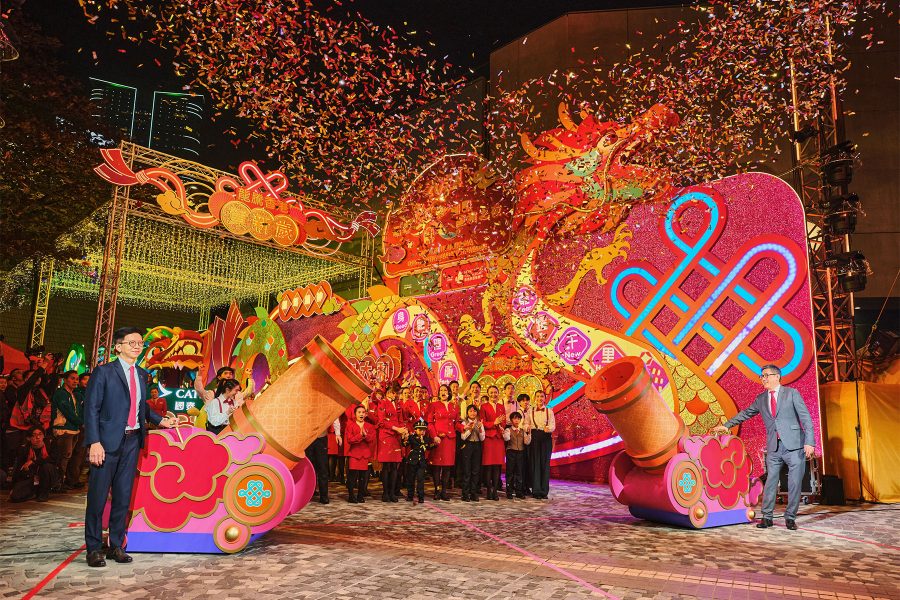
Each year starts with a bang in Hong Kong. Chinese New Year usually falls in late January or early February, in line with the second new moon after the winter solstice, and features flowers, festivities and fireworks. In the run-up to the holiday, fairs take place across various parks in the city and are filled with auspicious plants, traditional foods and zodiac animal-themed gifts.
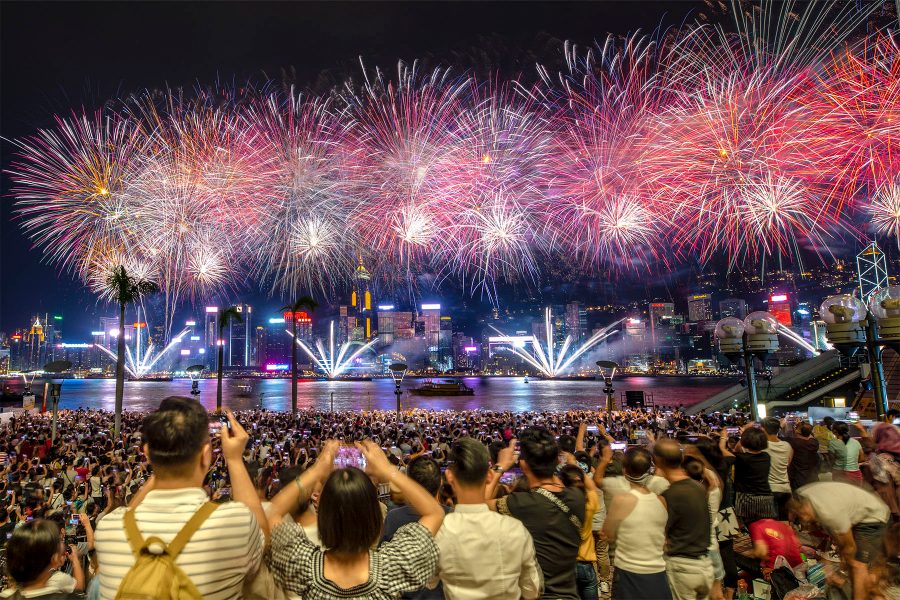
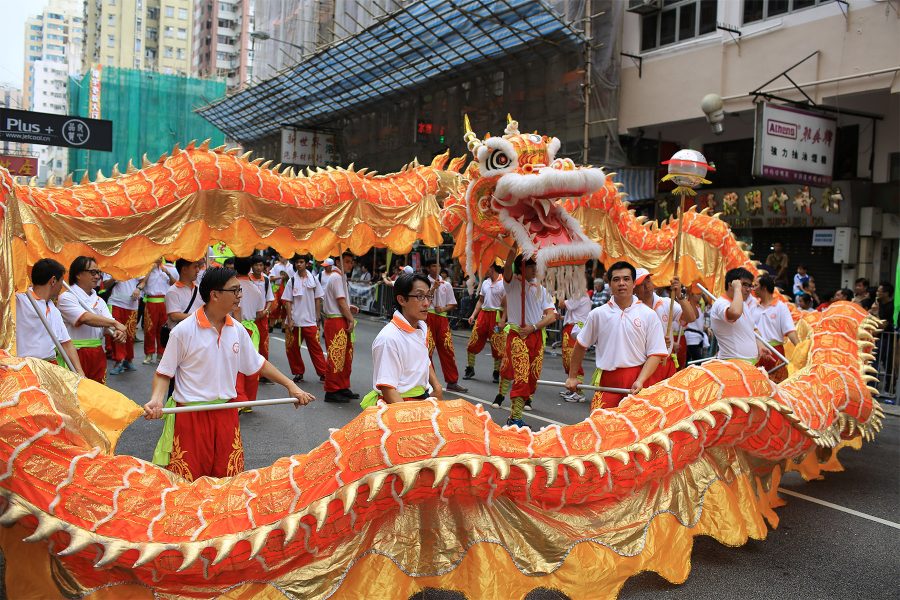
To celebrate the first day of the new year, the Cathay International Chinese New Year Night Parade typically showcases a progression of floats and live performers along the Tsim Sha Tsui harbourfront. Fireworks over the harbour mark the second day of the festival, with special menus on offer at restaurants and bars boasting views of the display. On the third day, the action moves to Sha Tin Racecourse for a special horse-racing event. In the days following, keep an eye out for lion and dragon dances all over town.
Outside these celebrations, Hong Kong is quieter than usual, as residents travel and many small businesses close for the three-day holiday. So, head for the great outdoors and explore some of Hong Kong’s popular hiking trails while the weather is pleasantly cool and sunny.
Credit: Art Central
Credit: Hong Kong Rugby
Credit: Hong Kong Rugby
March – April
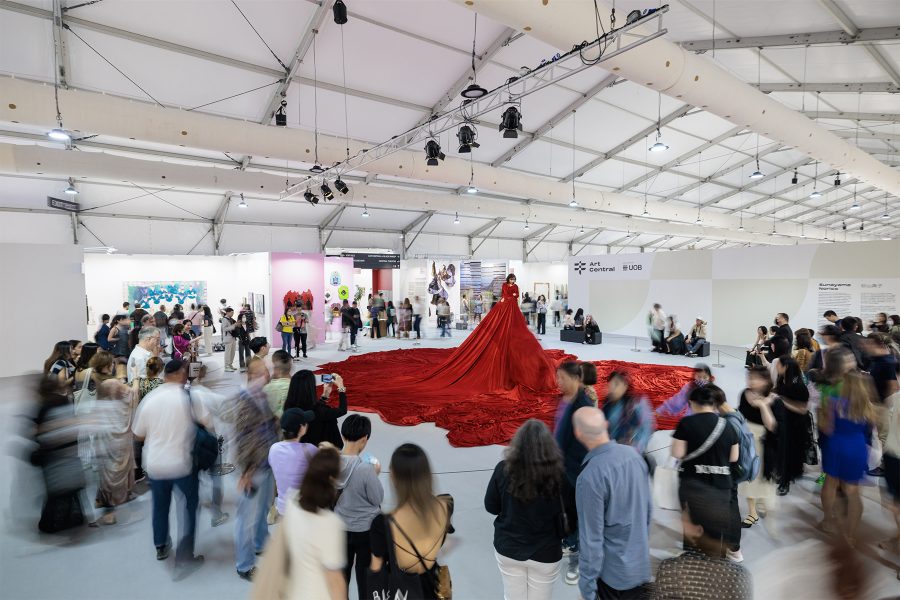
March is art month in Hong Kong. Leading international fair Art Basel brings some of the finest modern and contemporary art to the city, with Art Central and Collect Hong Kong adding more striking collections to the mix. Meanwhile, galleries across the city host some of their biggest exhibitions of the year.
It’s not just visual arts either: the Hong Kong Arts Festival, which begins in late February and runs through to the end of March, explores theatre, dance and music from around the world, while the Hong Kong International Film Festival brings new works to the big screen.
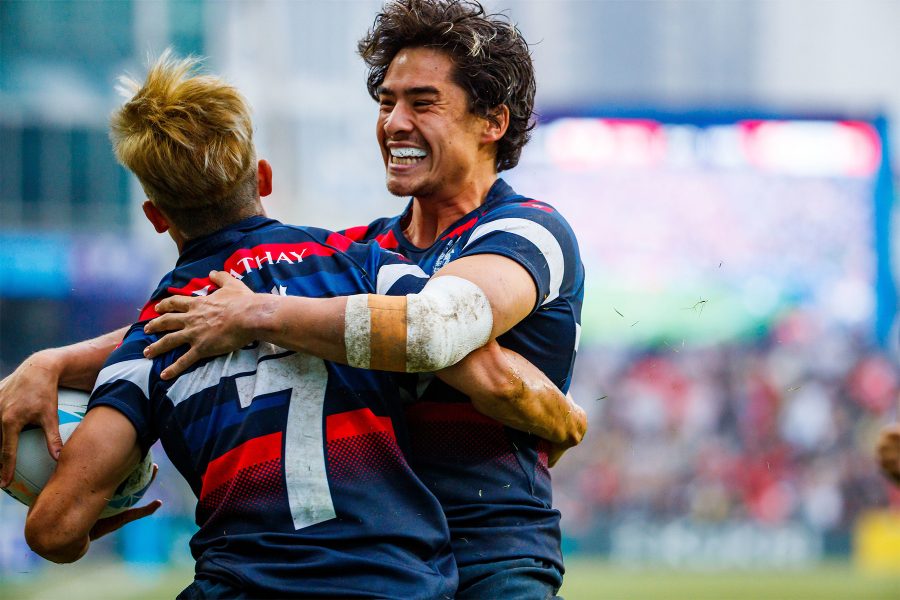
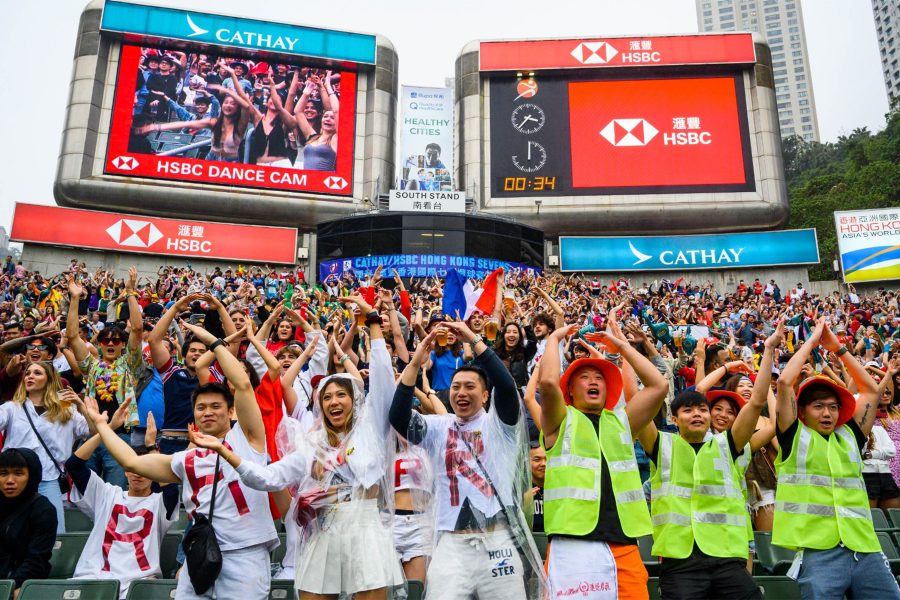
The beginning of spring heralds the return of the annual Cathay/HSBC Hong Kong Sevens, the city’s biggest sports event and a highlight of the World Rugby Sevens Series. Rugby fans in flamboyant fancy dress descend on Kai Tak Stadium in late March or early April for a spirited weekend of action on the field and partying in the stands.
Credit: Ryan Wai/Getty Images
Credit: Derek Yung/Getty Images
Credit: Affordable Art Fair Hong Kong
May – June
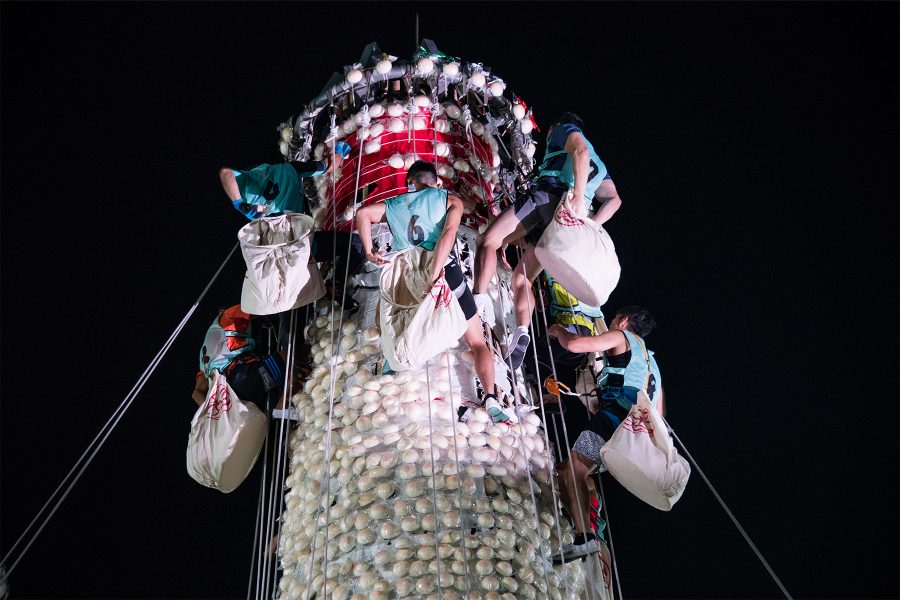
Things heat up with quintessential Hong Kong festivals. The Cheung Chau Bun Festival is a one-of-a-kind celebration held on the outlying island of Cheung Chau, usually in early May. Its centrepiece is a competition in which local contenders scramble up a bamboo tower covered with imitation “lucky” buns, trying to grab as many as possible.
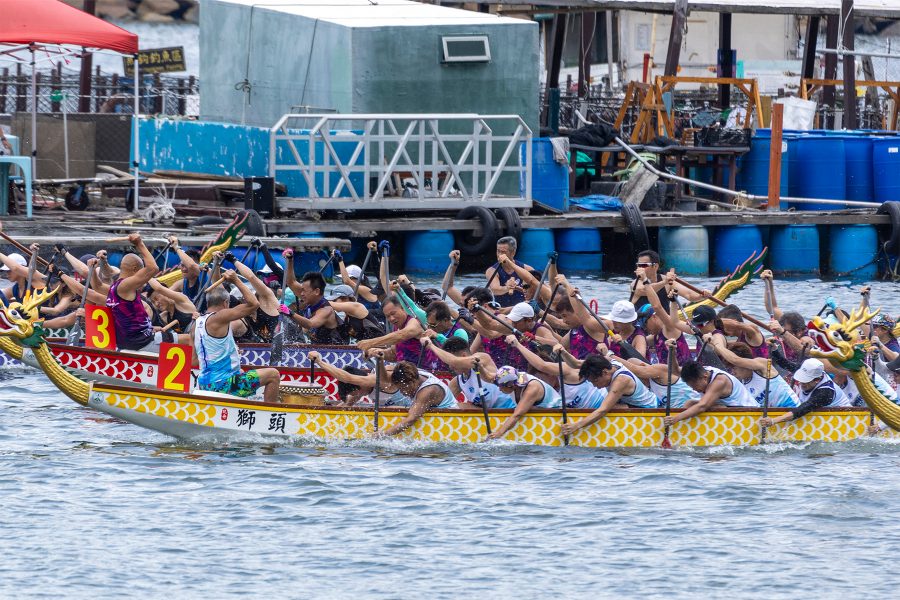
The Dragon Boat Festival takes place in late May or June, with dragon boat races held at waterfront locations around the city. Teams of rowers battle it out, paddling to the beat of a drummer sitting in the bow of the boat.
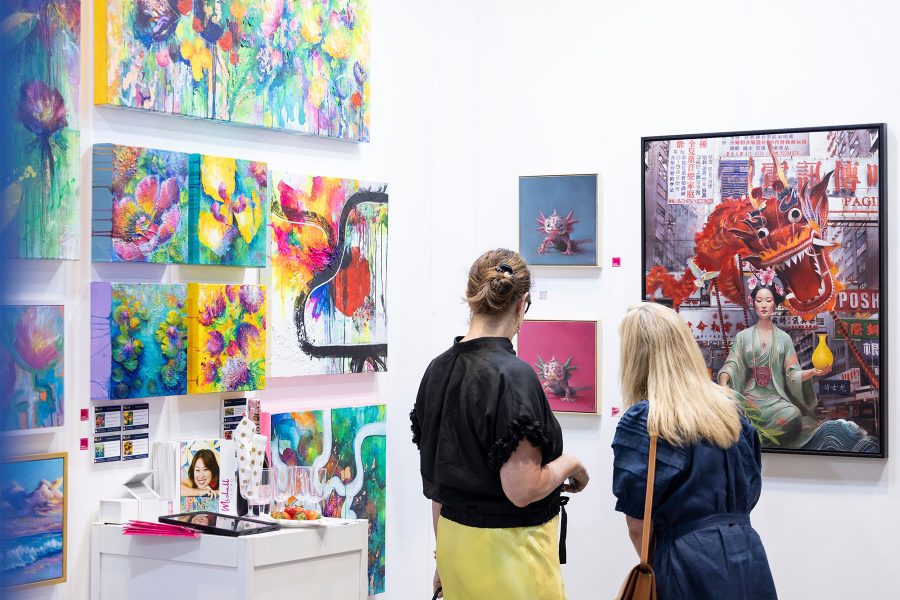
For art lovers who can’t make it to Hong Kong in March, the Affordable Art Fair hits the city in May. There’s also Le French May , a city-wide celebration of the culture of France featuring theatre and dance performances, food and fashion events well into June.
Credit: gionnixxx/Getty Images
Credit: gionnixxx/Getty Images
July – August
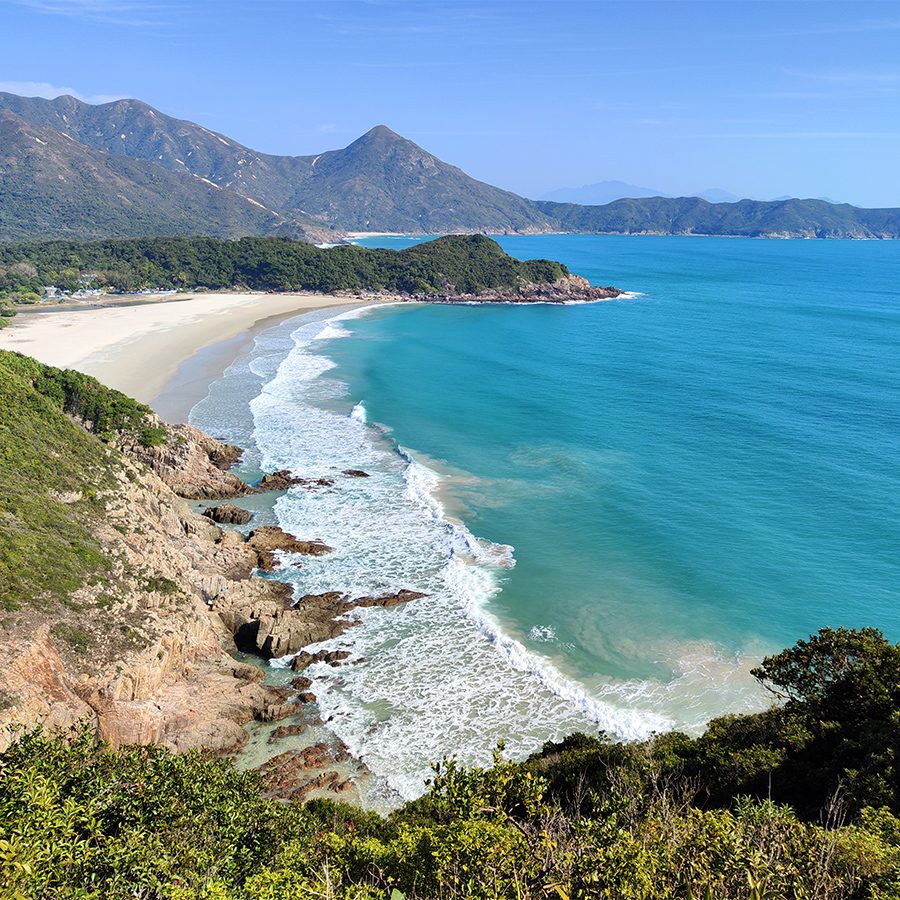
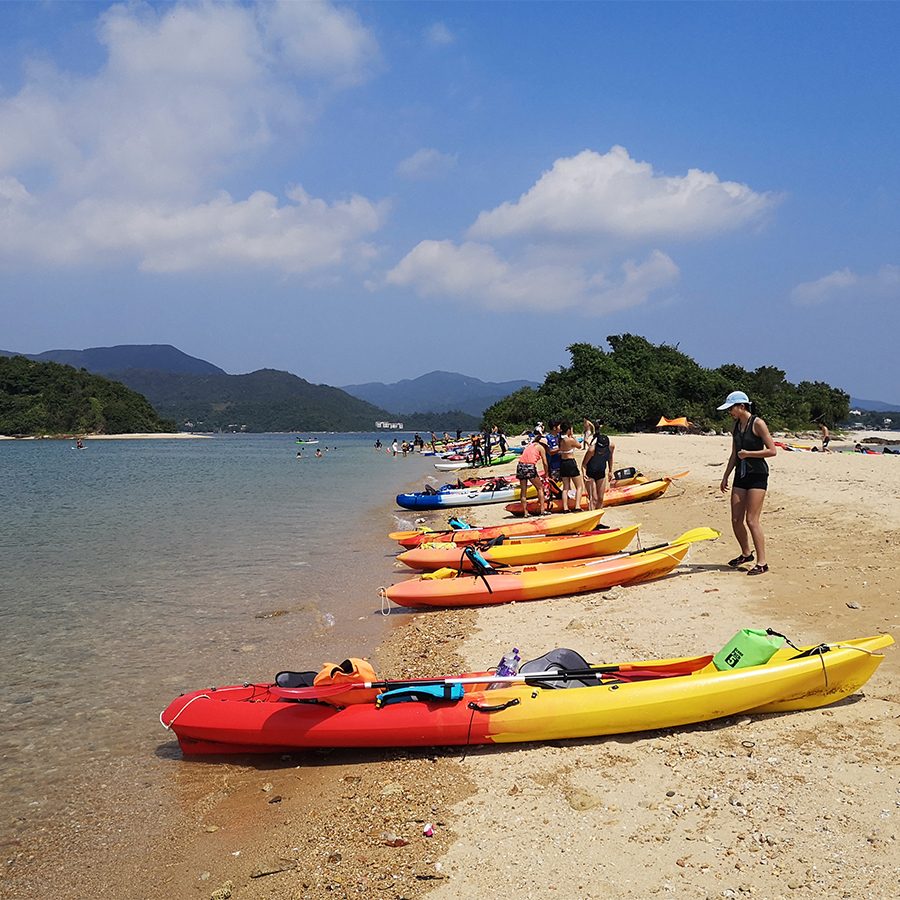
While Hong Kong is at its hottest and most humid at this time of year, there are plenty of ways for visitors to keep cool. Hitch a ride on a junk boat heading to Clear Water or South Bay and spend the day on the water. Hong Kong’s beaches are always a good choice: the Island is home to easily accessible sandy shores such as Repulse Bay, with its strip of restaurants and bars; or the surfing hotspot of Big Wave Bay. Further afield are stunning Sai Kung and Hong Kong’s longest beach, Cheung Sha on Lantau Island.
Summer is the least crowded time of the year, so while the temperature may be high, pollution is usually at its lowest, allowing for clearer views. Keep in mind that peak typhoon season is July through September, when severe storms can disrupt plans on short notice.

Credit: Matt Leung/Getty Images
Credit: Joey Cheung/Getty Images
Credit: Ocean Park
September – October
Horse racing returns to Hong Kong in September following a two-month summer hiatus. At Happy Valley Racecourse on Wednesday nights, bets are placed amid a party atmosphere with food, drinks and live entertainment between races. On Sundays and some Saturdays, afternoon races are held at Sha Tin Racecourse.
It’s also time for Mid-Autumn Festival, one of Hong Kong’s most important traditional celebrations. The holiday is marked with lantern displays – the one at Victoria Park is particularly impressive – and mooncakes, which are pastries traditionally filled with egg yolk and lotus seed paste but also available in more contemporary flavours like chocolate. The neighbourhood of Tai Hang presents its distinctive Fire Dragon Dance, a must-see street performance featuring a dragon made of incense sticks.
National Day takes place on 1 October: a public holiday in Hong Kong, celebrated with another spectacular fireworks display over Victoria Harbour.
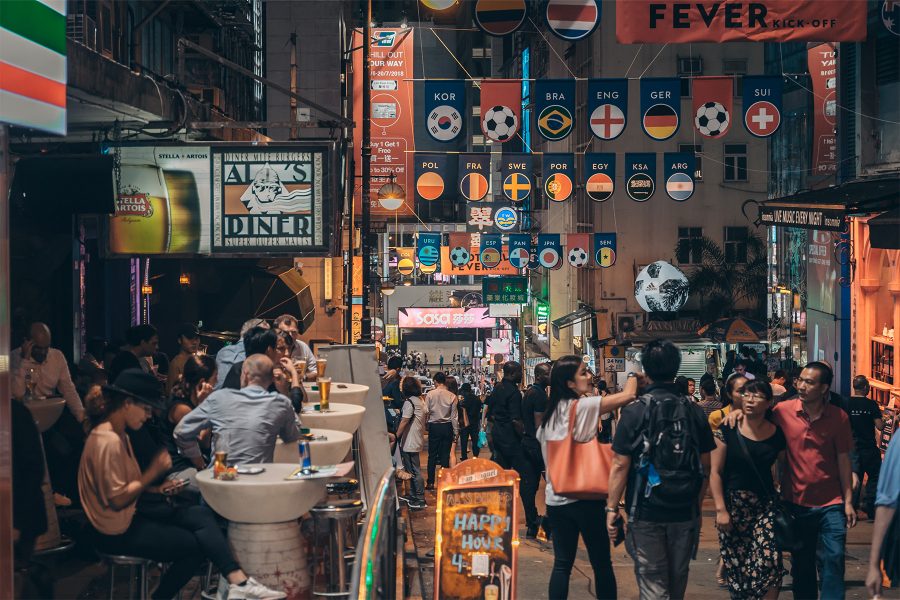
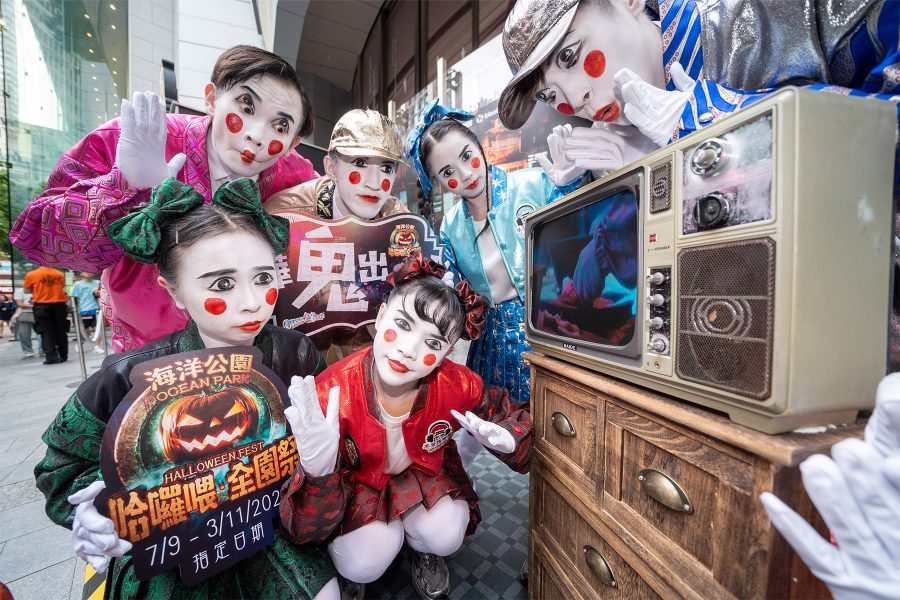
October brings more sporting action with the New World Harbour Race , in which competitors swim from Hong Kong Island to Kowloon, and the Hong Kong Tennis Open , where world-class players face off for singles and doubles tournament titles on the blue hard court of Victoria Park Tennis Stadium. And for those seeking Halloween fun, Hong Kong goes all out. Thousands of partygoers descend on the bars of Lan Kwai Fong decked out in fancy dress, while at Ocean Park ghosts and ghouls turn up for the amusement park’s annual Halloween Fest.
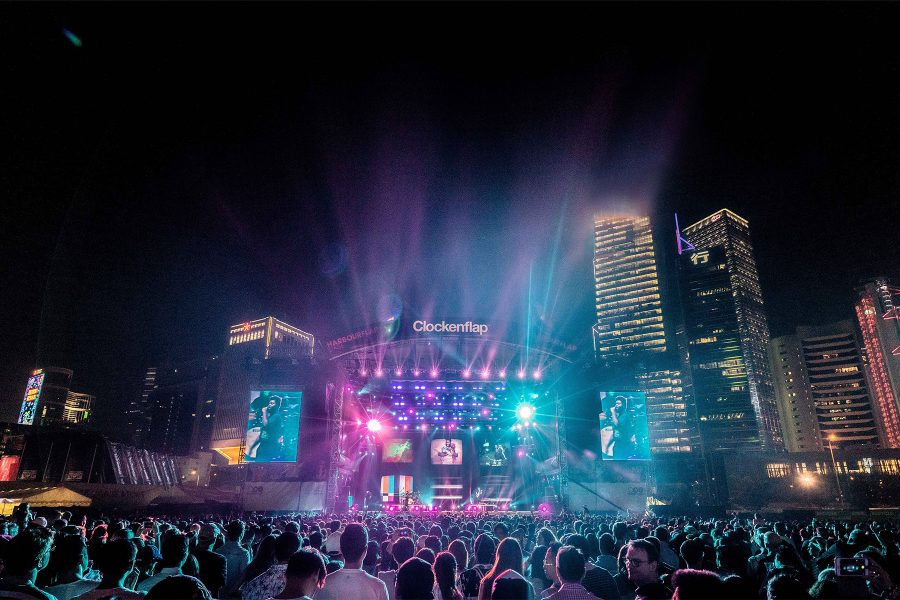
The party continues with the Hong Kong Wine and Dine Festival, hosted at the Central Harbourfront every year in late October. It’s a celebration of wines, beers, spirits and gourmet treats from around the world – complete with live onstage performances held against the backdrop of Hong Kong Island’s skyline.
Credit: KITMINLEE Clockenflap Festival
Credit: AIA Carnival
Credit: Liacco
November – December
November temperatures remain warm but less humid, making it a prime time to embrace the outdoors. This month marks the return of the Hong Kong Open , an annual golf tournament held since 1959, featuring a star-studded field of competitors. Meanwhile, the trail-running season kicks off in Hong Kong’s country parks.
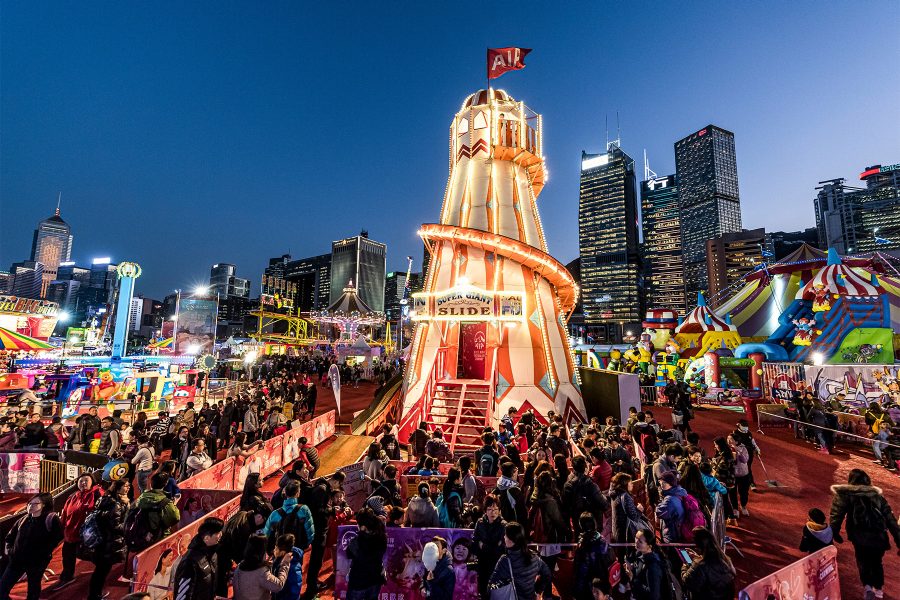
Several events on the Central Harbourfront make the most of the weather, including the AIA Carnival which starts in December. There’s also Clockenflap , the annual music and arts festival that brings local, regional and international acts to the city each year, and holds a special place in many Hongkongers’ hearts.
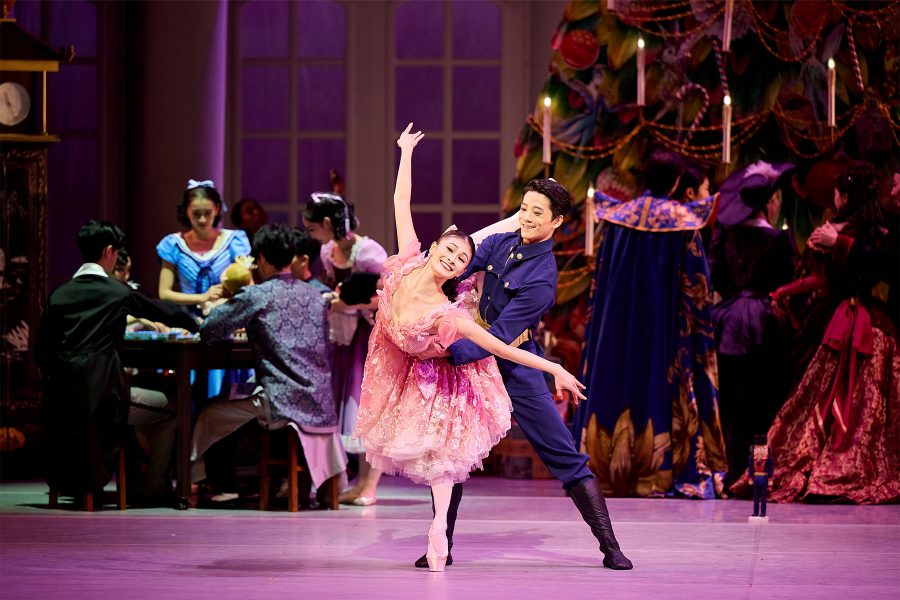
As Christmas approaches, the city dons festive decorations – shopping malls seemingly compete to out-do each other with large, interactive displays – and puts on seasonal shows like the Hong Kong Ballet’s Nutcracker. Meanwhile, Hong Kong Disneyland is a popular spot to hang out during the festive season. The theme park dials up the magic with a massive Christmas tree and wintry decorations, holiday performances and snowy celebrations spanning from Main Street, U.S.A. to World of Frozen.
The holidays can be a mellow time in Hong Kong, as many residents travel overseas, right through to New Year’s Eve – when parties across the city lead up to yet another fantastic display of fireworks at midnight.
More inspiration
Hong Kong travel information
- China – the Chinese Mainland, Hong Kong SAR, Macao SAR and Taiwan Region
- Hong Kong SAR - English
- Chinese Mainland (China) - English
- Taiwan, China - English
- 香港特別行政區 - 繁體中文
- 中国內地 - 简体中文
- 中國台灣 - 繁體中文
- Africa
- South Africa - English
- Asia
- Bangladesh - English
- Korea - English
- Singapore - English
- Cambodia - English
- 한국 - 한국어
- Sri Lanka - English
- India - English
- Malaysia - English
- Thailand - English
- Indonesia - English
- Maldives - English
- ประเทศไทย - ภาษาไทย
- Indonesia - Bahasa Indonesia
- Myanmar - English
- Vietnam - English
- Japan - English
- Nepal - English
- Việt Nam - tiếng Việt
- 日本 - 日本語
- Philippines - English
- Australasia
- Australia - English
- New Zealand - English