






.renditionimage.450.450.jpg)
 NaN
NaN



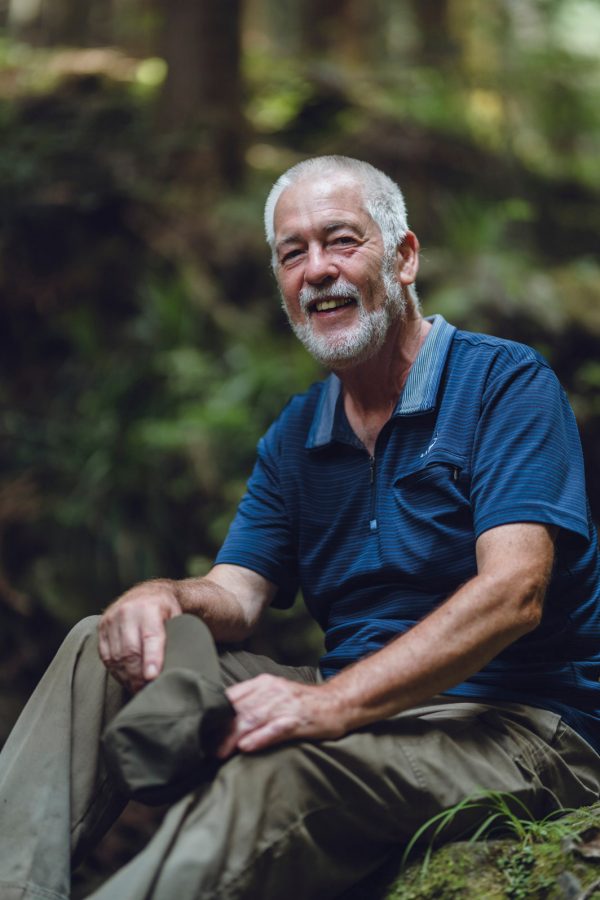
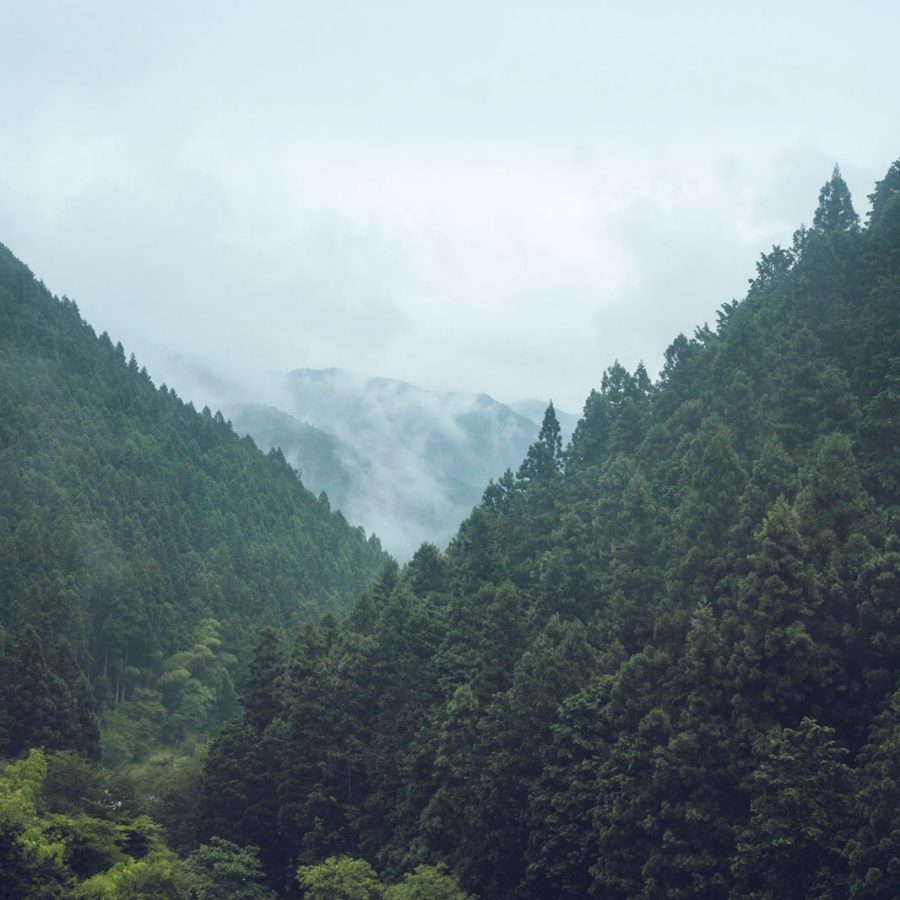
As the slow train pulls into Kawai Station, David Hulme waits on the panoramic platform. His sturdy shoes, cargo trousers and light-coloured long-sleeves act as a cool-climate warning before the doors open. Around 60 kilometres west of central Tokyo, it feels 10˚C cooler here than downtown in summer. And it is only 10am. I’m excited to see my white-haired, septuagenarian friend, and we eagerly catch up while elderly passengers shuffle onboard. The train pulls away to reveal a landscape of deep valleys and steep inclines.
On my first visit here two years ago, David shared his latest work in progress, raising wasabi – a distant relative of horseradish and mustard, and a Japanese dining staple. Until then, I’d listened as he spoke about ‘wasabi-da’ – the ‘da’ being Japanese for field – but I didn’t grasp the complexity of the project.
Credit: Irwin Wong
Signs of animals are in no short supply, I’m told. Recently, city authorities were called to trap a family of wild boar posing a threat to local residents, and raccoons sometimes turn up as unwanted visitors. Up here on the mountain, boars once smashed apart his wasabi patch. Their powerful snouts uprooted the young plants, leaving debris everywhere. Deer and monkeys are also a concern. But it all sounds exciting to me. All I get in Tokyo are crows, sparrows and the occasional seasonal silvereye.
My Australian-born wasabi-growing guide made the move to the hills of Okutama, his favourite hiking area, just two hours west of Tokyo’s city centre, in 2014 after deciding to leave his job editing a business magazine. Daily mountain life now replaces weekend treks.
Credit: Irwin Wong
‘I used to go hiking a lot, but I don’t really do that any more, because… I live here,’ says David. While no longer setting out on long saunters into the woods for leisure, his work and volunteer activities take him into the mountains almost daily. He is also an official information centre guide for the area, often joining study tours to learn about local plantlife.
On my last visit, we walked deep into the forest. This time, we drove along the same path. In 2016, I arrived at the top to find what I first thought was merely a section of riverbed enclosed by low walls of tight-packed stone encircled by drooping nets. Today, the nets hang high between sturdy poles driven deep into the earth to block the passage of unwanted grazers. It is clearly a mountain crop being cultivated.
Wasabi – a local speciality – thrives on fresh, flowing water. Controlling the pace and level of the flow is just as essential as getting rid of extra silt to ensure a healthy crop. Just two stations down the Ome Line, in Okutama, you can buy wasabi cheesecake or order wasabi-don, a rice bowl garnished with wasabi.

Credit: Irwin Wong
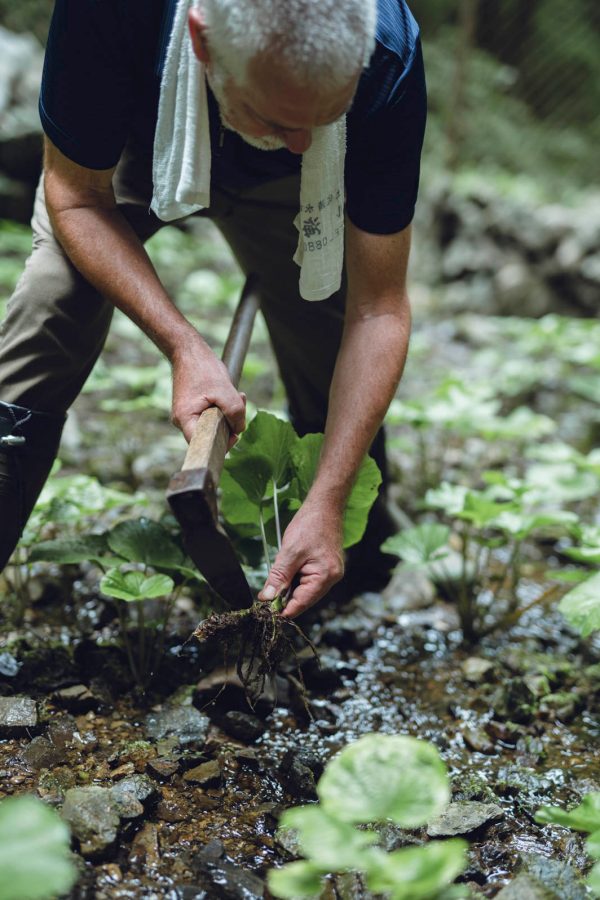
Would you like some wasabi?’ asks David, picking up a specialised tool. The kazusa looks like a curved, slim and sharp version of a hoe. Its long steel tooth is designed for working riverbed stones. Scraping up two plants covered with lush green leaves, he hands one to me.
‘Try that.’
Chewing one of the leaves, a delicious, soft warmth fills my mouth. I imagine spicy salads. Turning to leave, I spy a squirrel scampering off into the woods. It starts to rain.
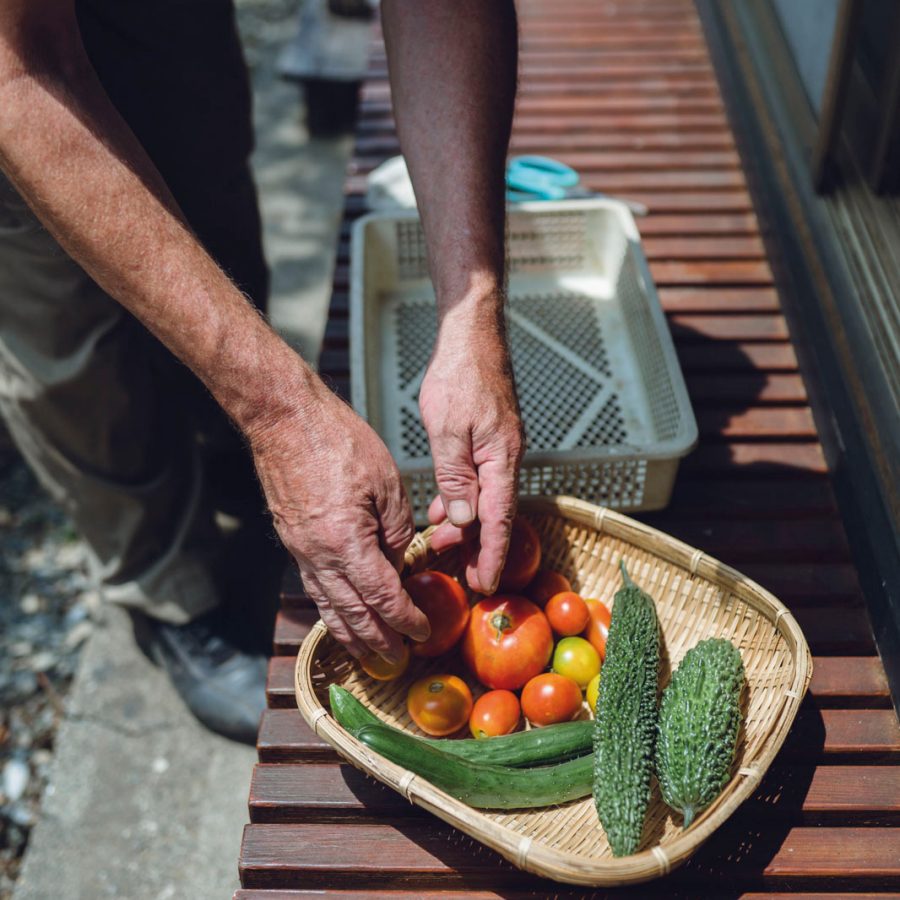
Dinner that night was Japanese garden-fresh vegetable nabe stew with pork, made by David and his wife, Satoko. Absolute silence surrounded the house outside, broken only the occasional car speeding along the highway and rain. Homegrown edamame, boiled or steamed salty young soybeans, was followed by more fresh produce from the garden. It was then time for an early night on the tatami.
Credit: Irwin Wong
Onsen hike
The following morning I go to Mitake Station, next along the line, to meet my trekking partner. We’d planned a five-hour hike through the mountains followed by lunch at Tsuru-Tsuru Onsen, a volcanic hot spring day resort. The name is onomatopoeic, imitating the sound of smoothness. The gentle alkaline water is supposed to beautify the skin.
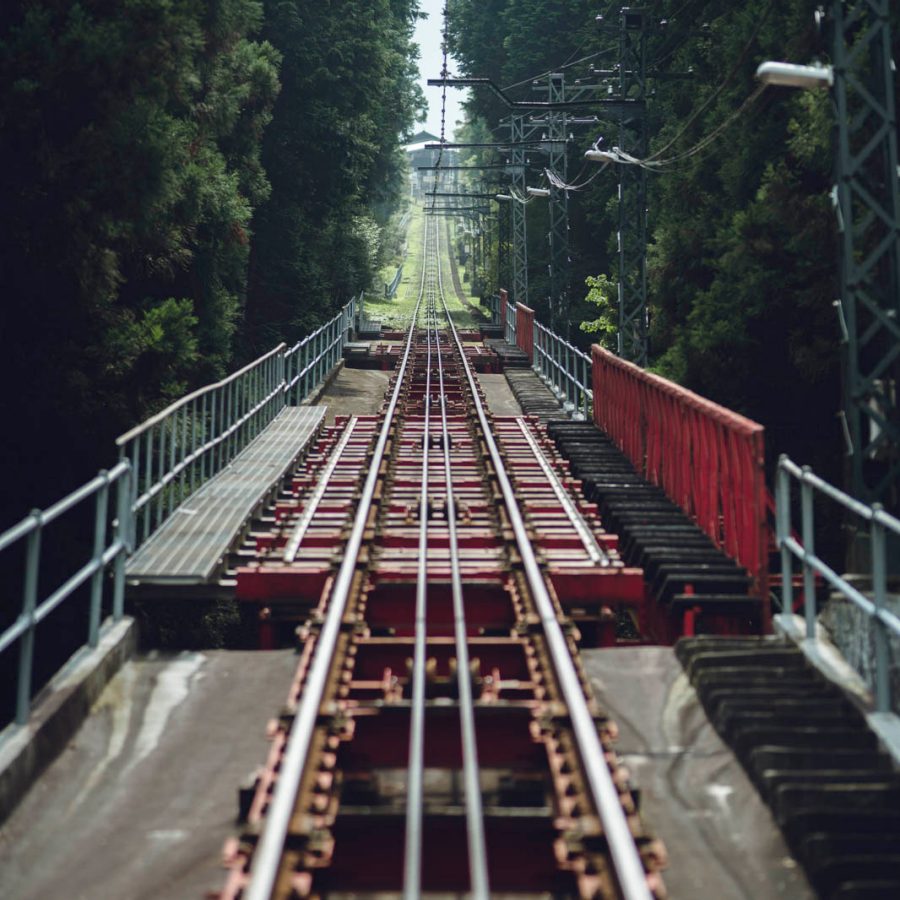
To save time, we jump on the bus, then take a cable car up the mountain.
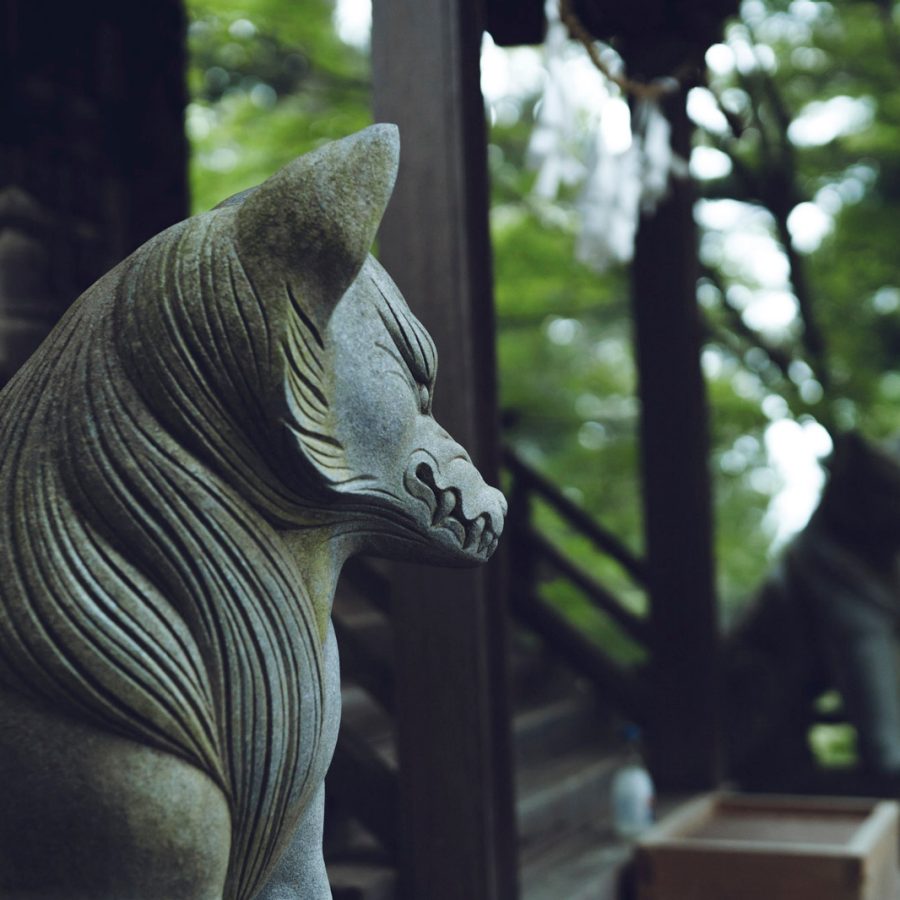
At the highest point of Mount Mitake, at 929 metres, stands Musashi-Mitake Shrine. The sacred Shinto site, which dates back over 1,000 years, features exquisite carpentry including a traditional torii gate framing the surrounding hillsides; and stone statues of dogs considered to be gods are scattered through the grounds. Passing a short queue of people eager to get their fortunes told, we exit towards the town below.
Slipping out of the tiny mountaintop village through its quiet backstreets, the track narrows as the vista once again opens out over woodlands. We leave the houses behind, following the stretch between Mount Mitake and Mount Hinode, which is dominated by cedar trees.
Over this way, the path cuts a passage midway along the mountain. It is too high up and distant from any creeks, streams or access roads for there to be any signs of wasabi. The only noise breaking the woodland atmosphere here is the occasional crack of a chainsaw or an offroad motorbike. I haven’t seen any animals and think back to a friend showing me a photo of a huge bear walking on the road in a town near here. Maybe I’m okay about missing such an encounter.

Credit: Irwin Wong
After five hours walking in the solitary wilderness we find a graffiti-covered car left by the roadside on the edge of a hamlet of holiday cabins. Nearby, fish swim at the edge of a pool filled by a stream of crystal-clear water.
Arriving at the road leading up to the hot springs, I’m ravenous. Cloudy weather had meant we missed the view of Tokyo from the highland path. No Mount Fuji for us either.
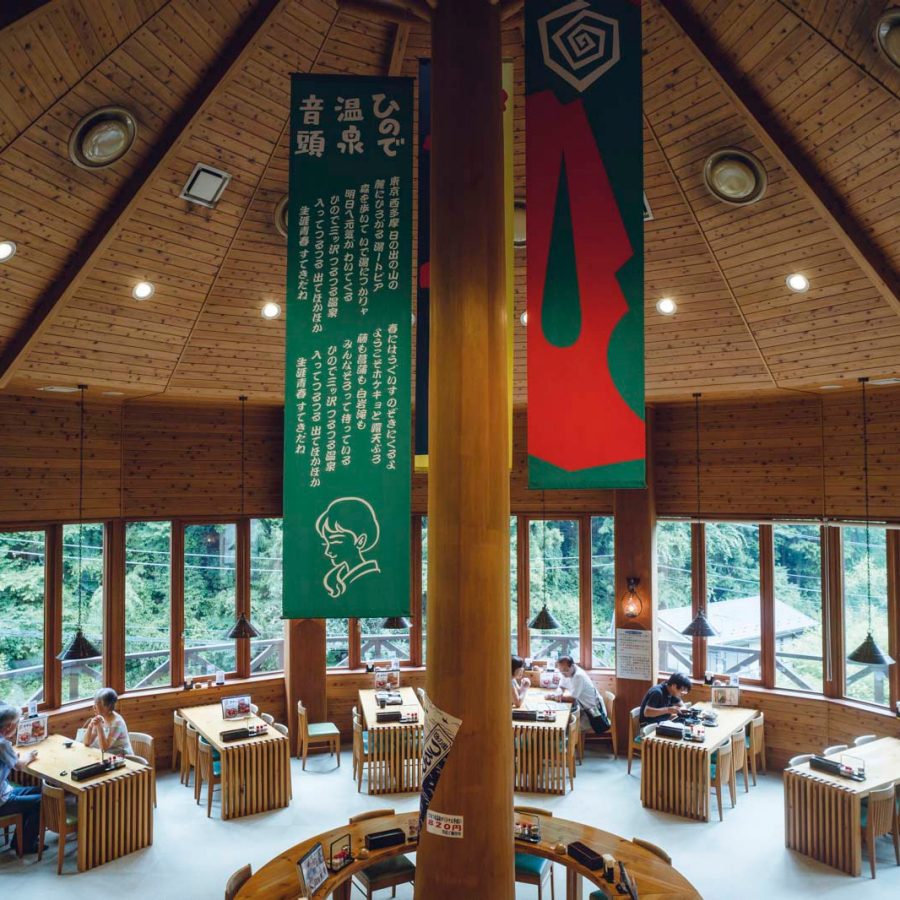
Inside Tsuru-Tsuru Onsen’s Panoramic Cafeteria, we drink in the mountain views and order a late lunch of sweet and sour fried chicken, tofu, salad, pickles and gomoku rice. By the time it arrives, I’ve already polished off a sizeable bottle of Ishikawa Brewery beer. I then try three sakes. Their crisp dryness brings on an overwhelming urge for tempura, also fuelled by accidentally sighting a dish overflowing with the crispy delicacy exiting the kitchen.
Later, soaking in the outdoor hot spring tubs, gazing up into the canopy, I’m already planning my attack on the wasabi stems in my bag.
Credit: Irwin Wong
Once back in Tokyo we’ll head directly to a department store seafood market, possibly the best source after the city’s Tsukiji fish market. Here we’ll choose the best-looking salmon we can find, maximising freshness by avoiding pre-cut sashimi, instead buying a beautiful whole fillet. The fishmonger will slice it neatly on our request and we’ll break new ground in mountain-to-table home cuisine.
This story was originally published in September 2018 and updated in September 2020
Hero image: Irwin Wong
Related stories
Tokyo travel information
- China – the Chinese Mainland, Hong Kong SAR, Macao SAR and Taiwan Region
- Hong Kong SAR - English
- Chinese Mainland (China) - English
- Taiwan, China - English
- 香港特別行政區 - 繁體中文
- 中国內地 - 简体中文
- 中國台灣 - 繁體中文
- Africa
- South Africa - English
- Asia
- Bangladesh - English
- Korea - English
- Singapore - English
- Cambodia - English
- 한국 - 한국어
- Sri Lanka - English
- India - English
- Malaysia - English
- Thailand - English
- Indonesia - English
- Maldives - English
- ประเทศไทย - ภาษาไทย
- Indonesia - Bahasa Indonesia
- Myanmar - English
- Vietnam - English
- Japan - English
- Nepal - English
- Việt Nam - tiếng Việt
- 日本 - 日本語
- Philippines - English
- Australasia
- Australia - English
- New Zealand - English