How to defeat jet lag: tips from an aviation insider
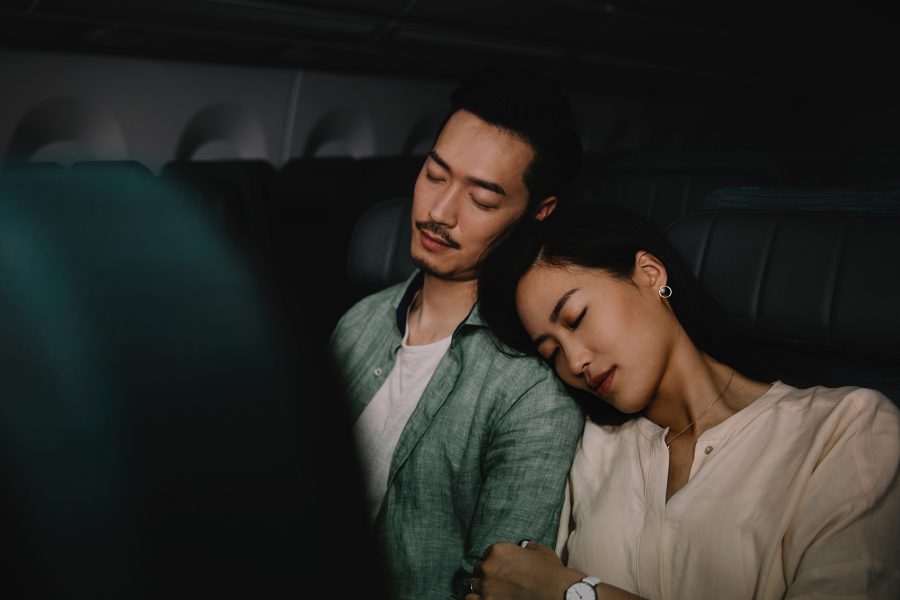
Travel provides an escape from the ebb and flow of life; a chance for you to relax and unwind or embark on a new adventure. After a long-haul journey, however, the first few days of your holiday can feel like hard, sluggish work. Adjusting to your new time zone as quickly as possible allows you to maximise your vacation.
Good sleep routines and meal timing play a part in beating jet lag — but that’s not all. Here, Nina McGrath, Group Safety Manager – Fatigue at Cathay, reveals her top tips for adjusting to a new time zone quickly. As part of our airline operations, McGrath works closely with pilots and cabin crew, so these tips reflect what aircrew do to manage fatigue, protect health, and get better rest across a busy flight schedule.

Credit: Michael Prince/Fuse/Getty Images
What is jet lag?
Jet lag is a set of symptoms that we suffer when our body clock (your circadian rhythm in alertness) no longer matches with local time at your destination time zone. The most common jet lag symptoms include difficulty sleeping at night, daytime drowsiness and lack of alertness, appetite and digestive issues, headaches, trouble concentrating and moodiness.
In aviation we say “west is best” because jet lag is worse if you fly east. You acclimatise by one and a half hours a day on average when travelling west, but only one hour per day on average when travelling east.
Credit: mikekwok/Getty Images
How long does jet lag last?
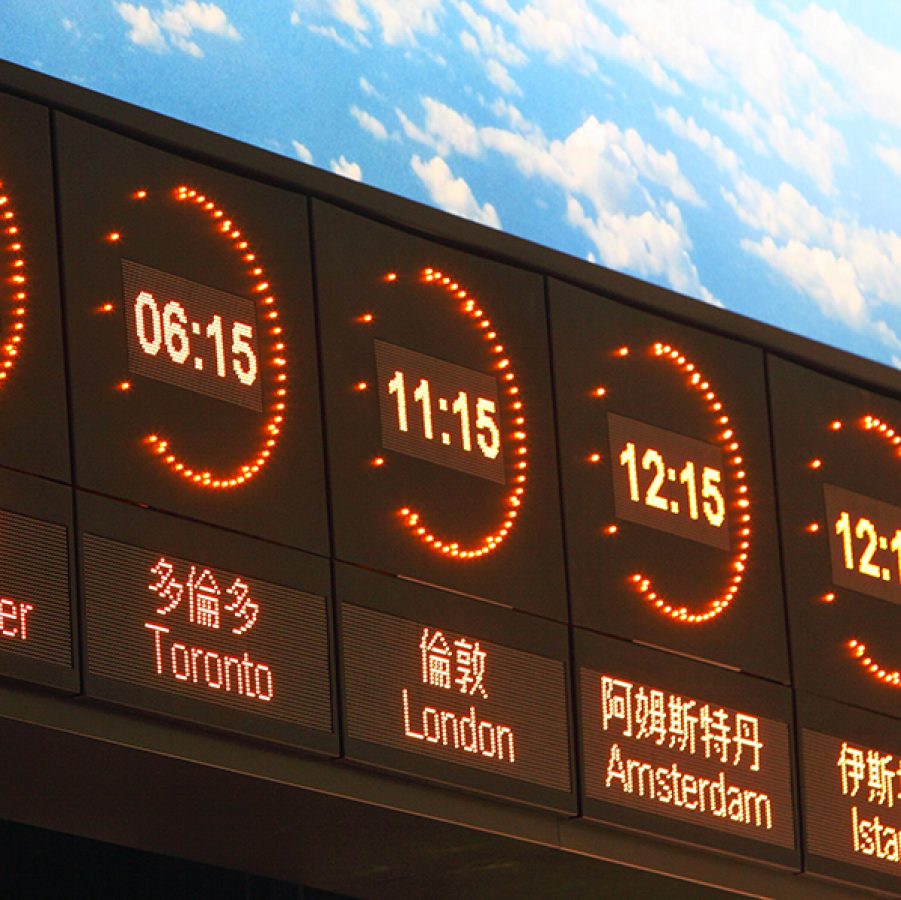
Whether you’re travelling for business or pleasure, you’ll likely want to be alert during the daytime in your new destination. When crossing multiple time zones, it takes our body clock a while to catch up, adjusting at a rate of 60-90 minutes a day. For instance, when travelling from Hong Kong to New York, it could take 8-12 days to fully acclimate to the 12-hour time difference. Airline operations build in protected rest periods for aircrew to achieve recovery sleep in the crew hotel.
Is there anything we can do in the days leading up to our departure to avoid jet lag?
Several apps provide tailored advice on when to eat, sleep, caffeinate and seek or avoid light exposure, based on your travel schedule. However, this advice may be difficult to follow in the busy days leading up to a trip.
More achievable goals include commencing your trip well-rested and shifting your bedtime an hour closer to your destination time zone in the days leading up to your trip. This can help to kickstart the acclimatisation process.
Is there anything we can do during the plane journey?
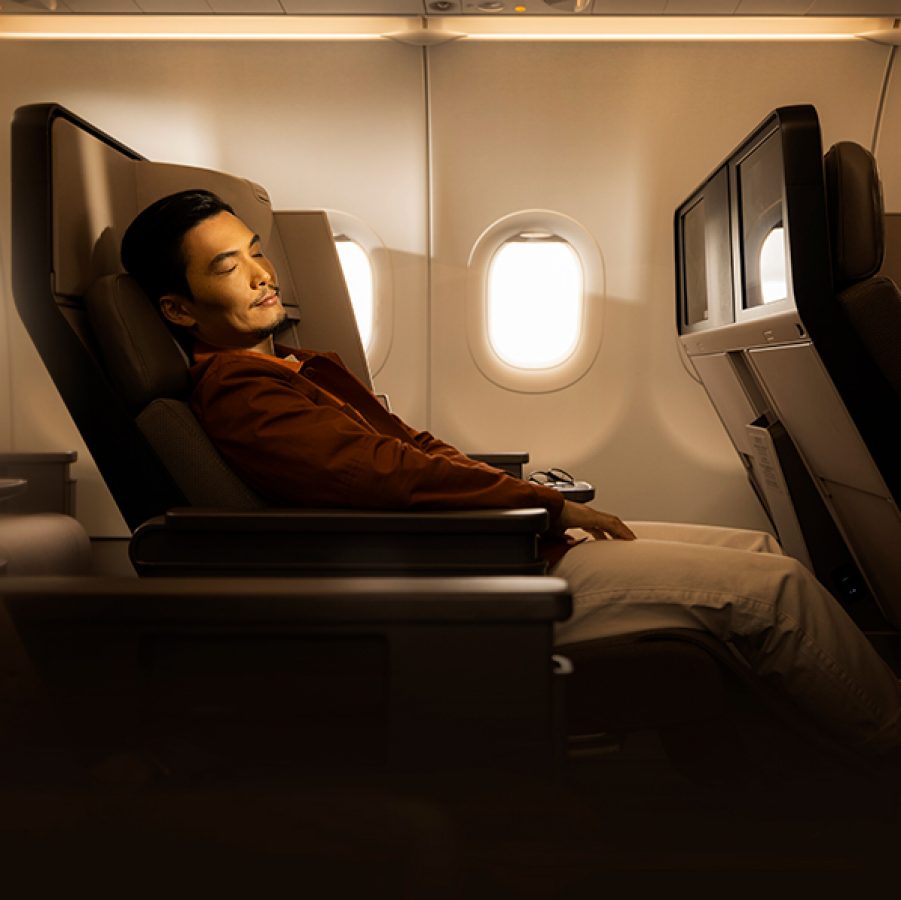
A practical tip is to change your clocks to the time at your destination as soon as you board. If possible, align your onboard sleep with nighttime (10pm to 7am) or afternoon naptime (2pm to 6pm) according to the time zone of your destination. This can be difficult if it involves sleeping in the brightly lit cabin during meal services, so make the most of the periods when the cabin is dimly lit. If you can, notify the cabin crew if you do not want to be woken for meals.
Maximise your sleep by practising good sleep hygiene. Dress comfortably and in layers to manage your temperature, and get comfortable with the provided pillow and blanket. Hunger and thirst can interfere with sleep, so be sure to enjoy your inflight meal and stay hydrated by drinking water or a caffeine-free tea like peppermint or chamomile. You can block out noise and light by using earplugs, playing your favourite white noise on noise-cancelling headphones, and wearing an eye mask for a more restful sleep.

What can you bring on board to help you sleep better and reduce jet lag?
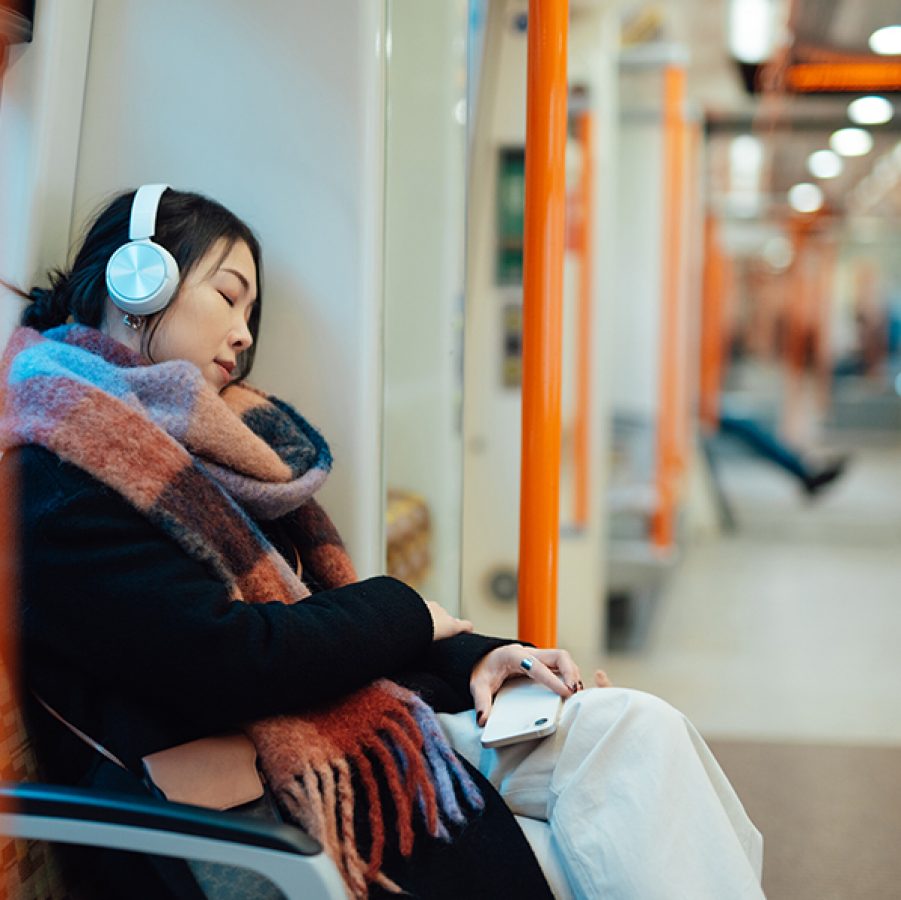
To help your body rest and adjust on a long‑haul flight, packing a few simple in‑flight essentials can make a big difference. Noise‑cancelling headphones, white noise apps or earplugs help block out engine hum and cabin sounds, making it easier to fall asleep. An eye mask shields you from overhead lights and changing daylight, encouraging deeper rest, while a comfortable travel pillow and lightweight blanket provide extra support and warmth so you can relax more fully. Together, these small comforts can help you sleep better on board and arrive feeling more refreshed, with jet lag kept to a minimum.
Credit: Oscar Wong/Getty Images
Upon arriving at our destination, how can we adapt to our new time zone?
You need to tell your body clock what time it is, and sunlight is the most effective way of doing this. Getting as much as daylight as possible helps sends a clearer signal to your body. Align with your new time zone by getting exposure to natural light during the day. Combining this with light exercise – such as a walk in the park – works well. Eat only at local mealtimes, avoid bright light after sunset, and try to stay awake until bedtime.
If you arrive early in the day, schedule an afternoon nap between 2-6pm to get you through the day – but make sure to limit the length of your nap to between 90 and 120 minutes so you can still sleep at night.
Another napping option which may be more suitable for subsequent days is the “nappuccino”, which combines caffeine and sleep to provide a greater benefit than power napping or coffee alone. Simply tuck yourself into bed before drinking a coffee and setting an alarm to ensure you don’t sleep for longer than 30 minutes. You should wake up after approximately 20 minutes as the caffeine kicks in and, along with sleep achieved, promotes increased alertness.
Avoid strenuous exercise in the hours before bedtime, as it releases adrenaline which interferes with sleep. Gentle exercises like taking a walk, stretching or practising yoga can help prepare your body for sleep, support health and reduce fatigue. Keep meals, light exposure and rest consistent so your circadian rhythm can adapt.

Credit: MTStock Studio/Getty Images
How can we maximise sleep at night?
Good sleep hygiene is important no matter the time zone. Create a nice sleep environment where you can control your light, noise, temperature and comfort. Try to avoid caffeine, nicotine and alcohol in the afternoon or evening, as these can keep you awake or reduce sleep quality.
You should also avoid blue light from mobile devices, which signals to the brain that it’s time for wakefulness and prevents the production of sleep-inducing melatonin. Melatonin is the hormone your body uses to signal night, and changes in light and timing can delay or advance melatonin release, which is why jet lag feels so disruptive. One way to do this is by activating the blue light filter on your devices between sunset and sunrise. Some passengers also consider melatonin as a short-term treatment to promote sleep when the circadian rhythm is misaligned. Seeking medical advice from your family doctor is important, especially if you have health conditions or take other medications.
Credit: MTStock Studio/Getty Images
What if we still can’t sleep?
An active mind can prevent you from falling asleep. Giving the brain a simple task can be helpful, hence the classic technique of counting sheep. Make sure the task isn’t anything too exciting – just something to stop your brain from calculating how much time there is before you need to get up.
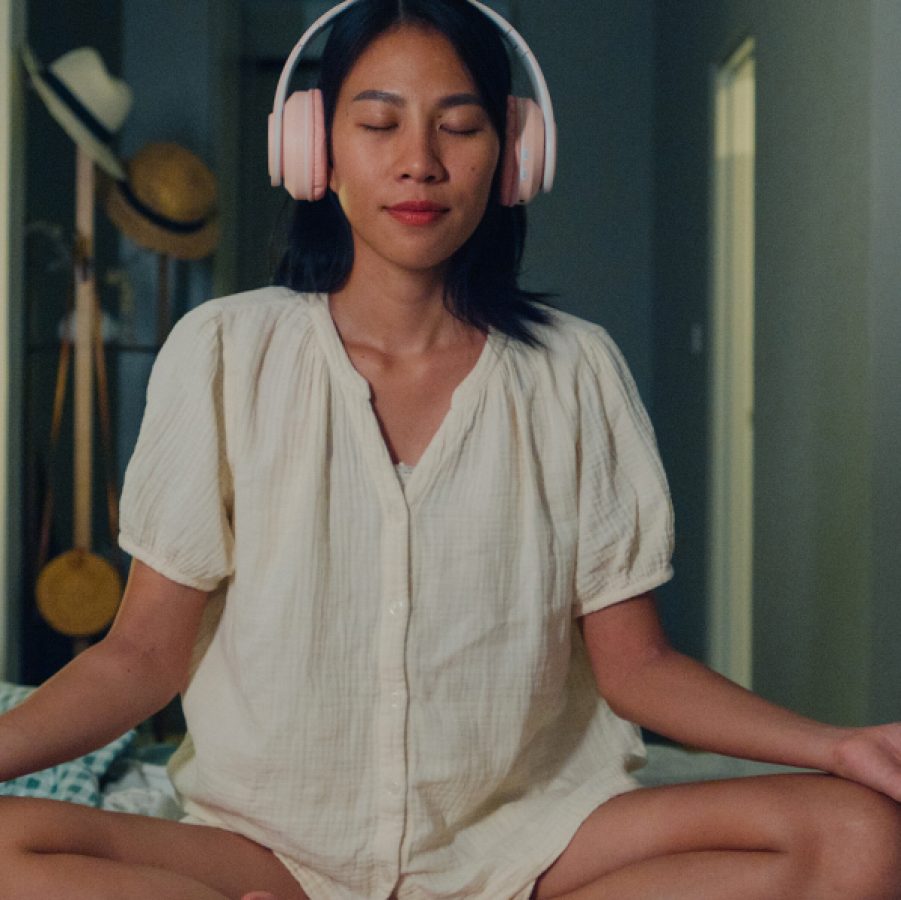
Options include reading a book, listening to an audiobook or podcast, or meditating. Sleep podcasts like Sleep with Me and Game of Drones can help you drift off, while some meditation apps include recordings to listen to at bedtime, such as Sleep Stories on the Calm app or Sleepcasts on the Headspace app.
Remember that sleep cycles last around 90 minutes. If you miss one cycle, there is always another following that help carry you inoffto sleep.
Note: this article provides general information only and is not intended as medical advice. For personalised treatment, consult a clinic that reviews your health history, especially if you use melatonin or experience persistent fatigue.
This article was originally published in April 2020 and updated in May 2026.