Can that be real? Places so striking they look AI-generated

Ever seen a photo of somewhere that looked so incredible it simply defied belief? As artificial intelligence (AI) evolves to the level where we question what’s real and what’s been prompt-generated, it’s natural to feel sceptical towards images that look too good to be true.
This time, however, your eyes aren’t deceiving you: these otherworldly places will make you look twice, yet they actually exist. Here’s planet Earth at its most unbelievable, as if created by AI.
Unesco sites
Credit: alexkotlov/Getty Images
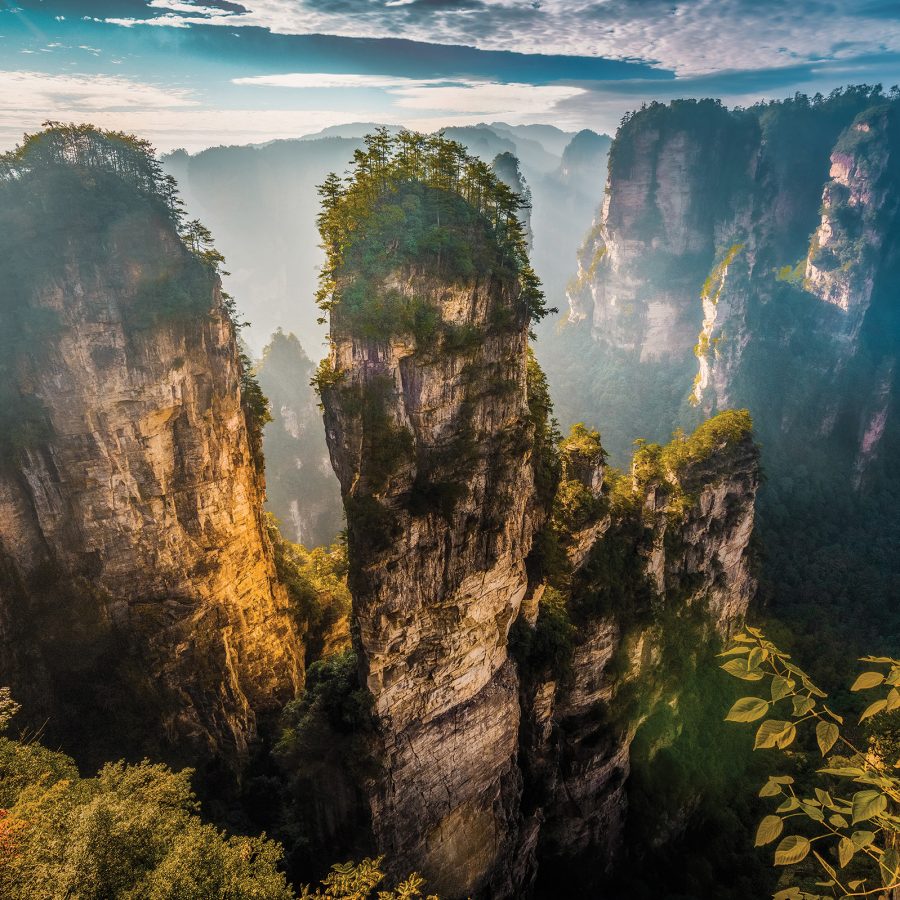
Zhangjiajie National Forest Park: Hunan Province, the Chinese Mainland
The prompt: “Create a breathtaking scene of towering natural pillars that rise majestically out of the fog. The landscape is dotted with lush greenery, ancient trees clinging to the sides of the cliffs. Capture the ethereal beauty and dramatic verticality, emphasising the awe-inspiring nature of the towering rock formations and the serene atmosphere of the surrounding forest.”
The reality: Within the larger Wulingyuan Scenic Area in northwestern Hunan Province – a Unesco World Heritage Site since 1992 – Zhangjiajie National Forest Park showcases one of China’s most iconic geological formations: towering quartz-sandstone pillars and peaks rising majestically from a mist-shrouded forest floor. Established in 1982 as China's first national forest park and covering 4,810 hectares, the park is full of pillar-like rock formations with dense forest clinging to their steep cliff faces – a dreamlike landscape that famously inspired the floating mountains in Avatar.
Credit: omepl1/Getty Images
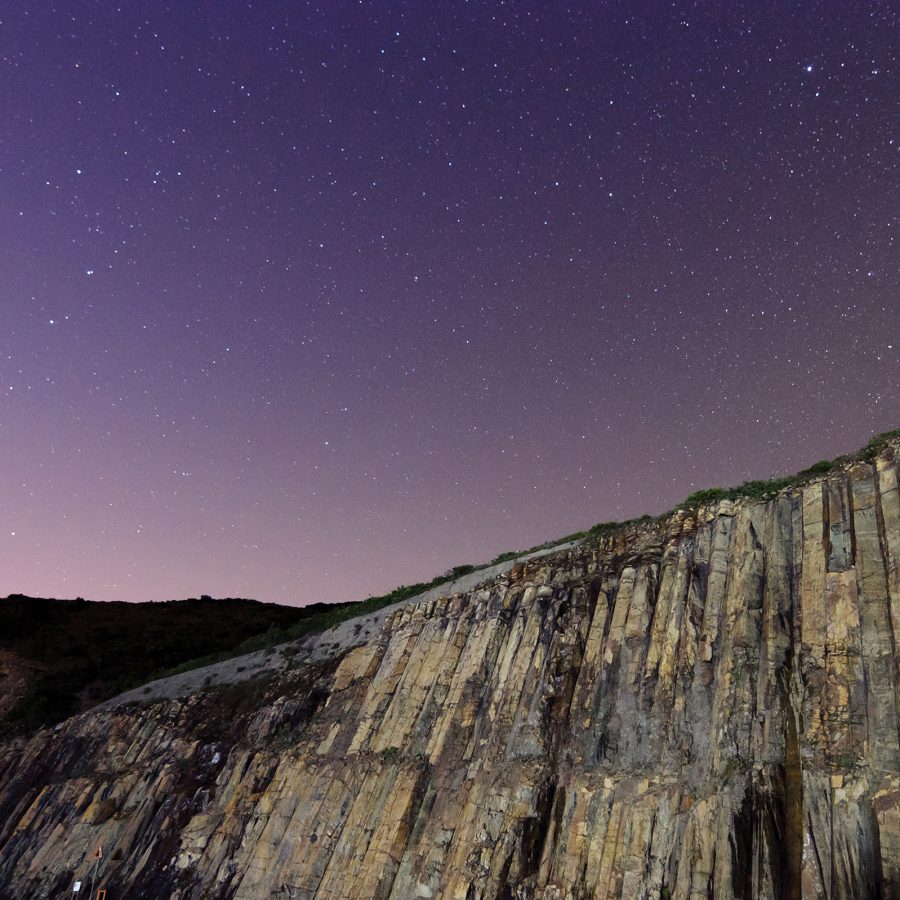
Hong Kong Unesco Global Geopark Sai Kung: Hong Kong SAR
The prompt: “Visualise a stunning coast of dramatic rocky cliffs that seem to be clawed by the sea; a rugged and wild geology that evokes ancient volcanic activity. The cliffs topped with green provide a striking contrast to the indigo, star-scattered heavens above. Paint an imposing scene that highlights the intricate rock patterns, conveying a powerful sense of aeons of history before you.”
The reality: Hong Kong's Sai Kung peninsula is home to rare towering hexagonal columnar rock formations, recognised as a Unesco Global Geopark. Formed approximately 140 million years ago after an ancient volcanic eruption, these distinctive Early Cretaceous rhyolitic columnar structures rise dramatically from the coastline, with some columns reaching heights exceeding 100 metres above sea level.

Credit: Kriangkrai Thitimakorn/Getty Images
Dramatic landscapes
Chocolate Hills: Bohol, Philippines
The prompt: “Generate a vast landscape dotted with hundreds of symmetrical, grass-covered mounds that stretch to the horizon. The conical hills rise uniformly from the ground, creating almost a cartoon-like panorama. The sky is a dreamy blue, with fluffy white clouds casting gentle shadows over the rolling terrain. Capture the whimsical beauty of this natural wonder.”
The reality: Spanning over 50sqm across Bohol's Carmen, Batuan, and Sagbayan municipalities, the Chocolate Hills are one of the most extraordinary geological formations in the Philippines, declared the nation's third National Geological Monument in 1988. They are made up of some 1,700 conical limestone mounds rising uniformly across the landscape. Their grassy coverings undergo a remarkable visual transformation between seasons: lush green during the rainy months and rich chocolate-brown in the dry season.
Credit: platongkoh/Getty Images
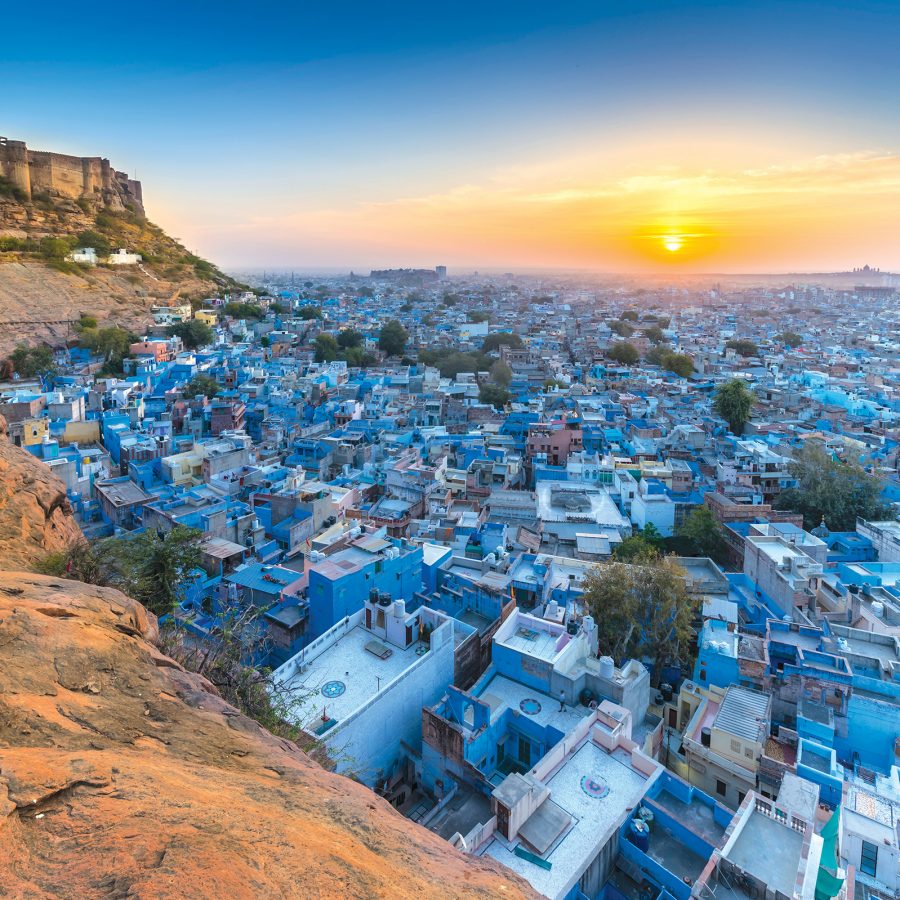
Jodhpur: Rajasthan, India
The prompt: “Build an intriguing city whose higgledy-piggledy buildings are almost exclusively painted in different shades of blue. The vibrant, densely arranged buildings seem to be stacked on top of each other and reach as far as the eye can see. An ancient fort overshadows the scene, appearing hewn from the red sandstone of the towering mountain it sits upon. Capture a sense of history, with vertical, impregnable walls that tell tales of ancient dynasties and invasions repelled.”
The reality: Jodhpur, the cultural capital of Rajasthan, is India's iconic “Blue City” – a Unesco-recognised heritage destination renowned for its distinctive indigo-blue architecture. The old walled city, or shahar, is dominated by the centuries-old Mehrangarh Fort, built in 1460 by Rao Jodha, the city's founder. Beneath the fort sits the densely packed neighbourhood of Brahmapuri, where hundreds of buildings appear stacked up on one another through the narrow, winding alleyways, creating a striking, almost surreal cityscape.
Underground marvels
Credit: MarcelStrelow/Getty Images
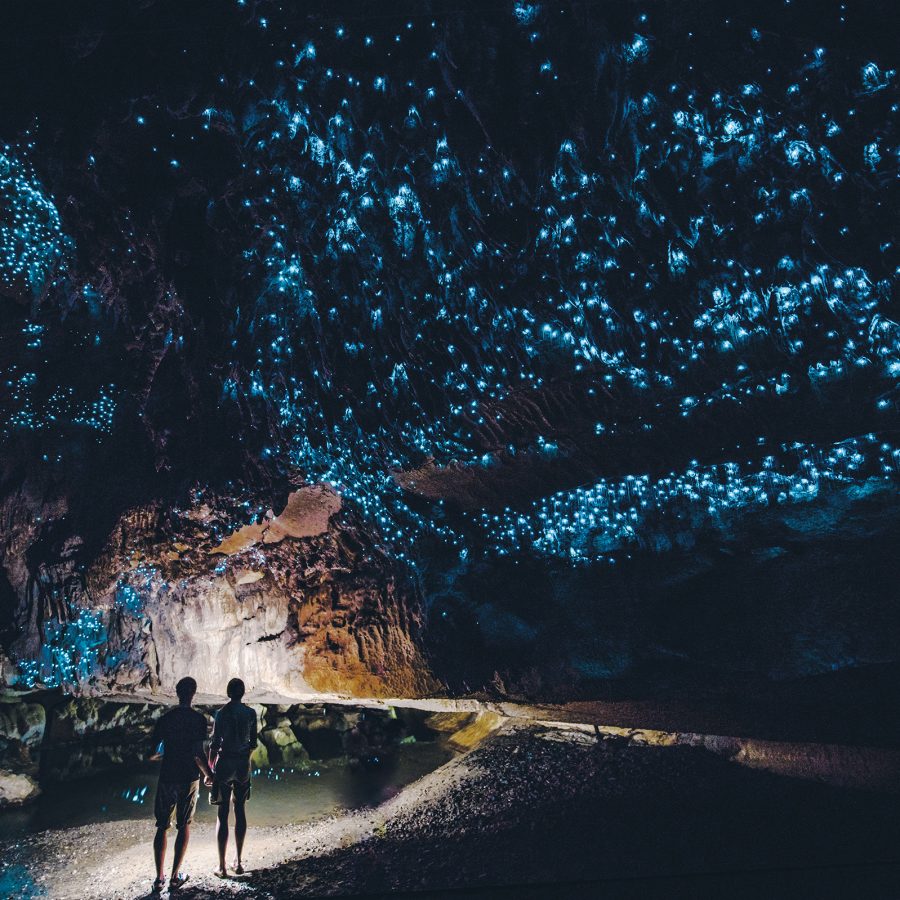
Waitomo Glow Caves: Waitomo, New Zealand
The prompt: “Conjure up an underground lake within a cave, a subterranean wonder where the ceiling is covered in a galaxy of stars. A celestial glow is created from above by dozens of turquoise points of light, creating a mystical light show that envelops the observers below. "
The reality: Located on New Zealand’s North Island, the Waitomo Glowworm Cave is one of the world's most distinctive bioluminescent displays. New Zealand glowworms – larvae of the fungus gnat species Arachnocampa luminosa – illuminate the cave ceiling with an ethereal ambiance, casting a turquoise glow across this underground lake.
Credit: Karina Eremina/Getty Images
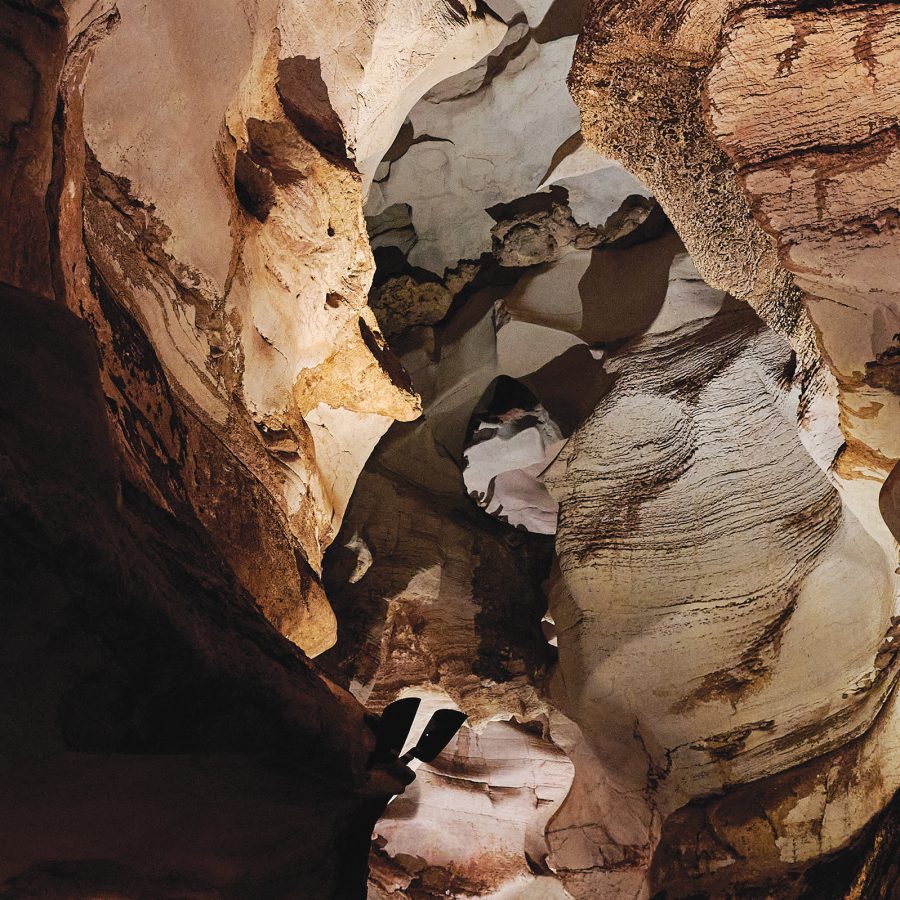
Longhorn Cavern State Park: Texas, USA
The prompt: “Imagine an enchanting underground limestone passageway sculpted by ancient underground rivers. The cavern walls ripple with intricate, wave-like formations, which create a mesmerising display of natural artistry. Soft lighting reveals the textures and patterns of the rock, casting shadows that add depth and mystery to the scene.”
The reality: Longhorn Cavern State Park is one of Texas's eight show caves, and the only one formed not solely by surface water seepage, but also by calcium carbonate-rich underground rivers and ancient lakes that carved their way through solid Ellenburger limestone. This formation was deposited approximately 500 million years ago, when the region was covered by a shallow prehistoric sea. The result is a stunning geological display of fantastically shaped mineral formations.
This article was originally published in April 2025 and updated in September 2026.