Gangneung: Seoul’s breezy escape
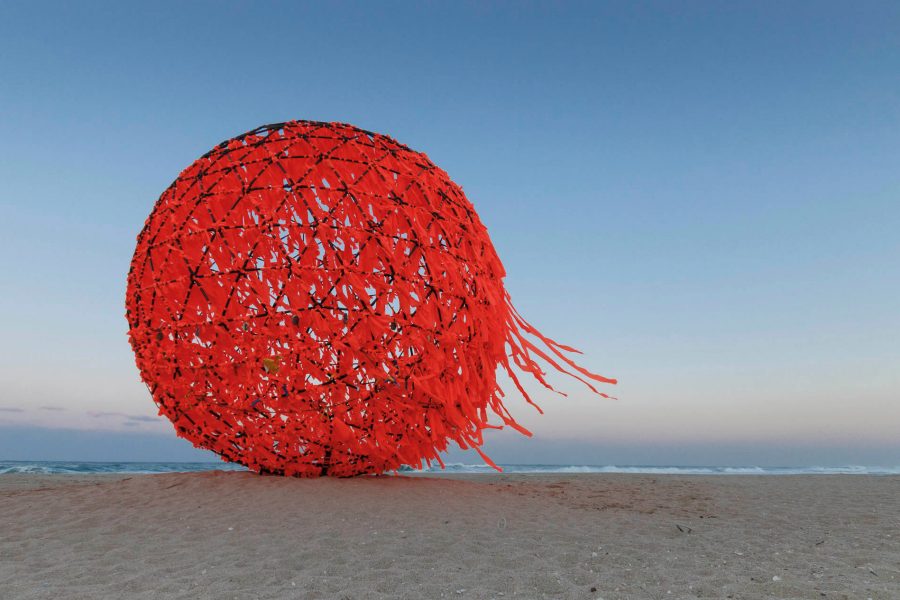
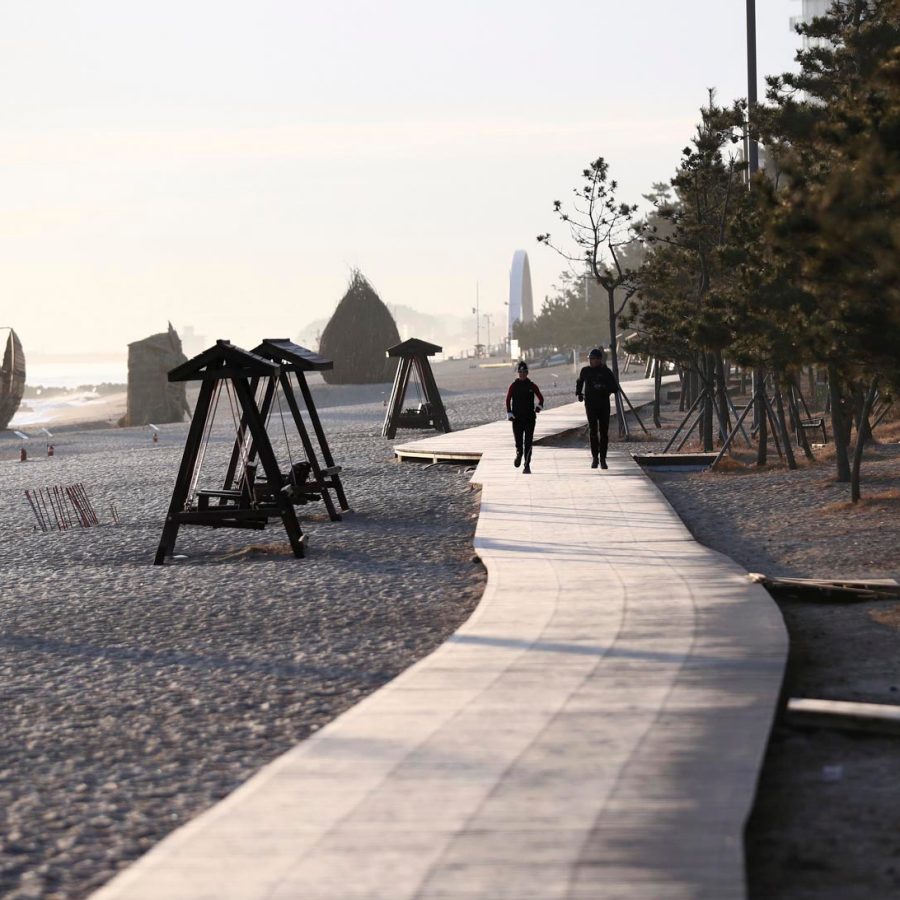
A seaside pine forest stretches from Gangmun beach to the busier Anmok beach to its south. Planted nearly a century ago to shield the city’s residents from the ocean’s biting winter wind, tall pines grow from the sand and cascade along an azure patch of the Pacific. It is easily the top highlight of Gangneung, located under two hours by train from Seoul. Compared with the bright lights and K-pop beats of the capital, Gangneung is bucolic and serene – a contrast so stark that it’s a bit of a shock to the system.
‘Gangneung has beautiful nature and so much culture,’ says Myung No-hoon, chief executive of the new St John’s Hotel, a luxury oceanfront establishment that’s become a city icon. ‘There’s easy access to the country’s best watersports, such as surfing and sailing, making Gangneung a great place to escape the city and get refreshed.’
Long a sleepy town in Gangwon province – on South Korea’s northeastern coast – Gangneung is now growing in stature, thanks to neighbouring Pyeongchang, which became a household name around the world last year as the host of the Winter Olympics. But while Pyeongchang has ski slopes in winter and hiking in summer, many visitors opt for Gangneung for its more well-rounded activities and accessibility.
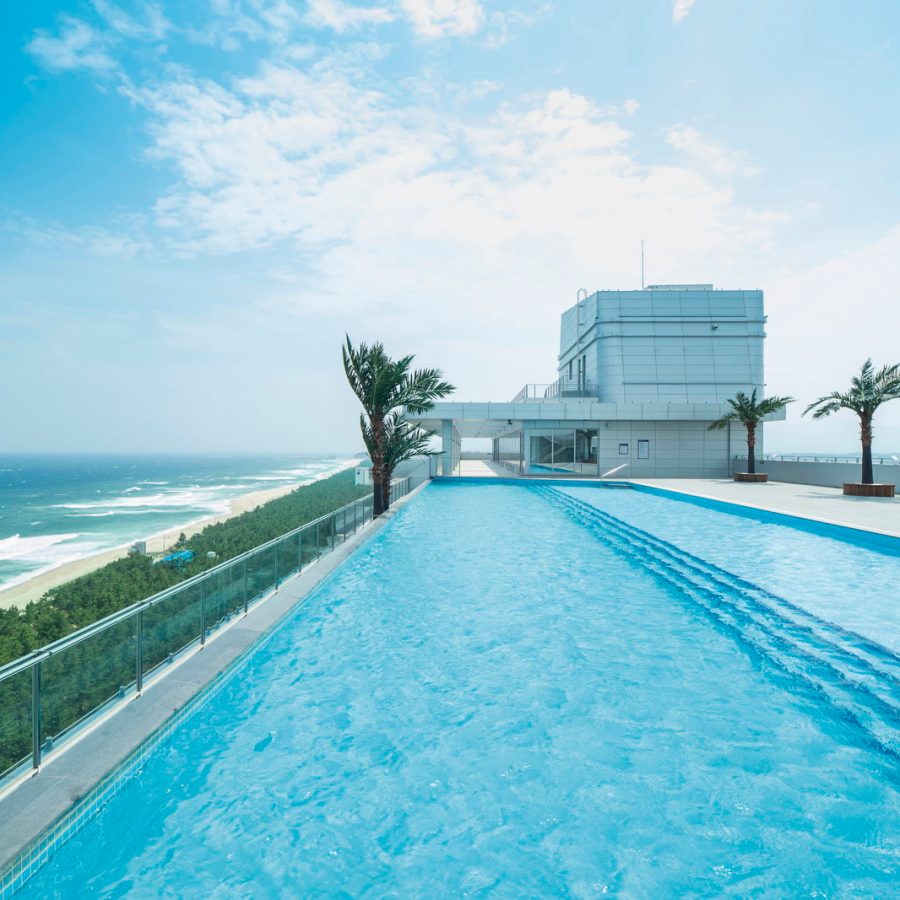
It’s easier than ever to get to Gangneung – which had its own role during the Olympics, hosting indoor events curling, skating and hockey – thanks to a new train station that was unveiled in 2017, ahead of the Games. The city underwent a mini transformation to welcome the anticipated influx of tourists, with signage and menus translated into English and Chinese, and shops and restaurants accepting foreign credit cards. High-rise hotels with infinity pools were built on its coast, with the nearly 1,100-room St John’s hotel, which opened its doors just in time to host the International Olympic Committee delegates, perched imposingly amid the sand and trees.
Credit: Valery SharifulinTASS via Getty Images
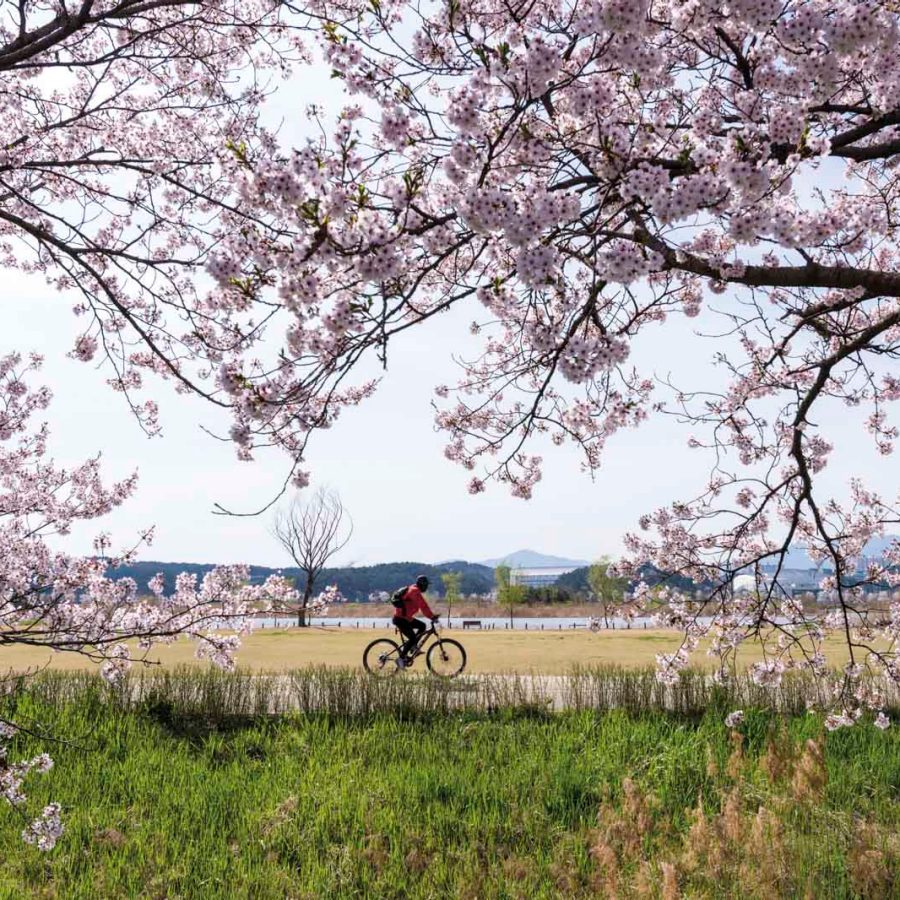
On Gangmun beach, you’ll see the town as one in transition: some of the beach is blissfully quiet, while other parts are raucous with selfie-taking tourists holding sparklers. They come for the natural attractions, but also the culture, both ancient and modern. The best and by far the largest cultural attraction is Ojukheon House , a vast, traditional Korean home combined with a museum. It pays homage to two figures featured on the country’s banknotes: the philosopher Yulgok and his writer-artist mother, Shin Saimdang. There’s also the Gyeongpo Pavilion , located in a flawlessly landscaped park perched over Gyeongpo Lake – a prime spot to admire cherry blossoms in spring.
Gangneung also promotes itself as a city of coffee, featuring the roasting factory of Terarosa , a brand that’s expanded into a chain of cafes. Its headquarters, a cavernous red-brick building, is open to visitors, who get to enjoy great brews and fresh baked goods. Numerous other character-filled cafes line its streets, and a coffee museum displays the process from bean growing to brewing. The biggest celebration of the town’s acclaimed baristas and roasters happens every year in October at the Gangneung Coffee Festival .
But beyond its signature tourist draws, Gangneung is developing into a city with its own modern identity, one at ease with nature, offering a vastly more relaxing experience than the ever-buzzing, LED-soaked alleyways of Seoul.
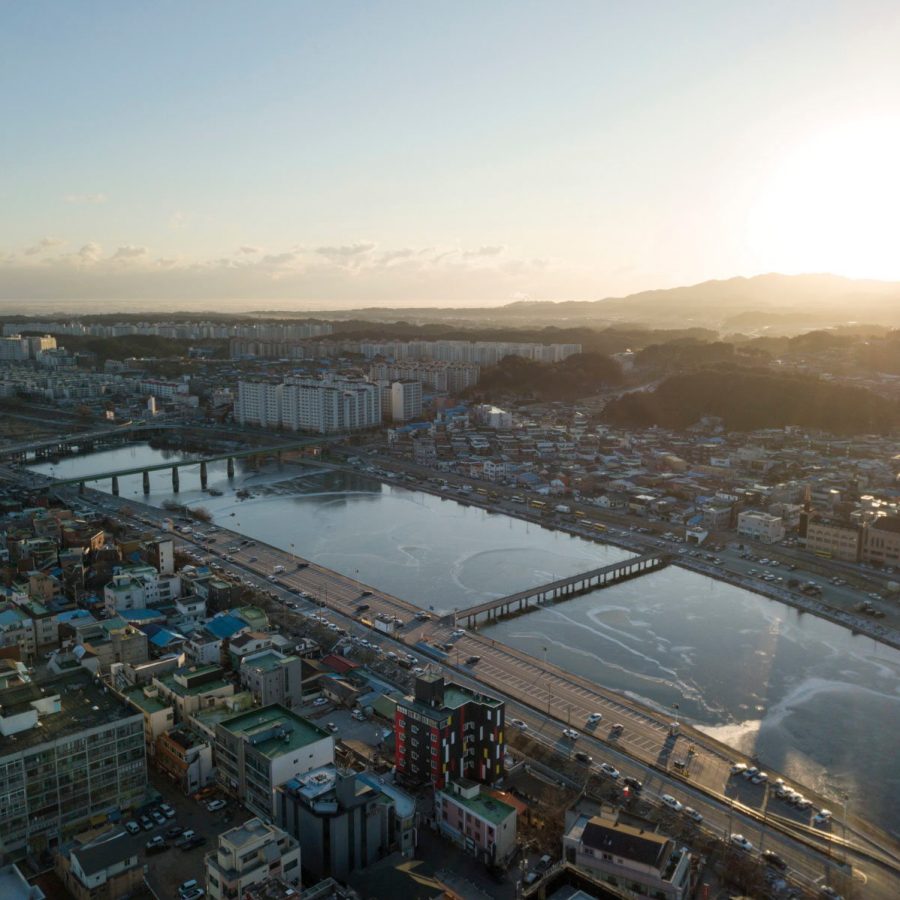
Credit: Ed Jones / AFP
Young entrepreneur Jun Eun-kyung took advantage of the city’s new accessibility to open Budnamu Brewery . Here, his beers reflect the coast’s natural characteristics with infusions of pine and wildflower. ‘Gangneung has such a unique mix of old and new; fancy cafes and hotel restaurants are finding harmony with traditional tofu restaurants and open-air markets,’ says Jun. ‘Gangneung is also extremely affordable, which means it’s opening up to everyone.’
Here, his beers reflect the coast’s natural characteristics with infusions of pine and wildflower. ‘Gangneung has such a unique mix of old and new; fancy cafes and hotel restaurants are finding harmony with traditional tofu restaurants and open-air markets,’ says Jun. ‘Gangneung is also extremely affordable, which means it’s opening up to everyone.’
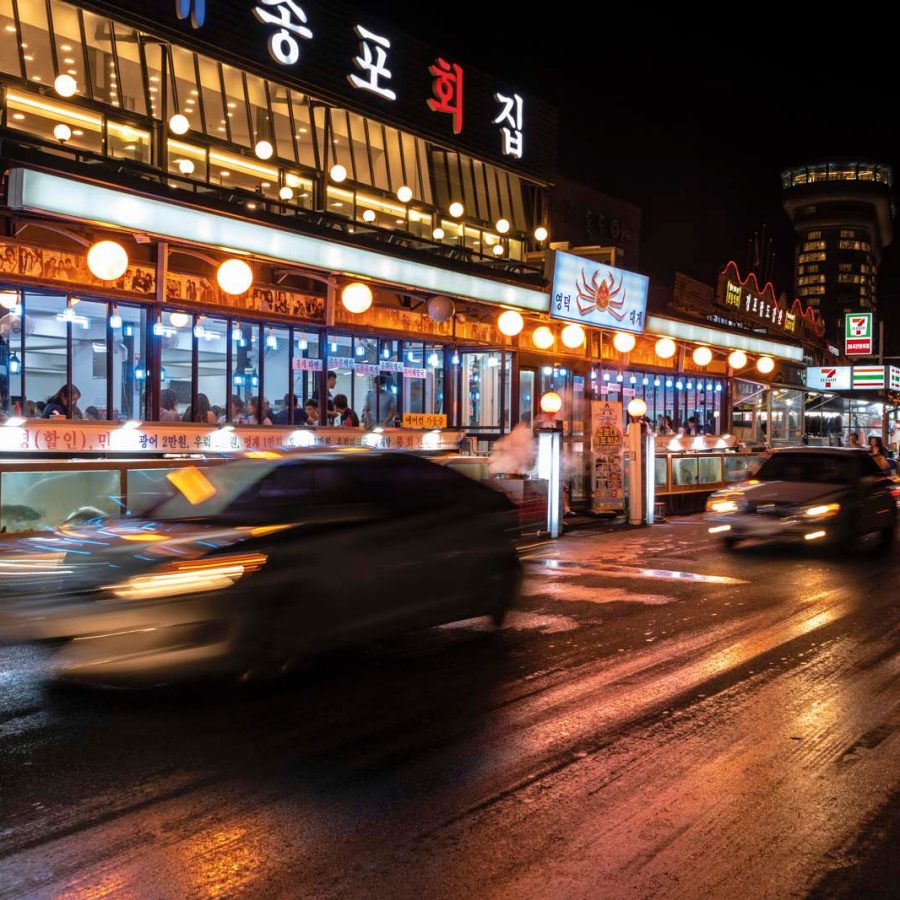
Credit: Beautiful Korea / Shutterstock
Budnamu is near Gangneung’s new Wolhwa Street, a long pedestrian walkway built for the Olympics and lined with newly constructed shops. The street ends at the city’s Central Market, a dizzying maze of fresh produce and hole-in-the-wall restaurants. It’s one of the only places in South Korea where you can find gamja ongsimi, a savoury potato dough soup from Gangwon province.
Back on Gangmun beach, Heo Sae-rom, who runs public relations for St John’s, watches a young band belt out their favourite K-pop songs. While sipping on an amber bottle of Budnamu stout, she says she believes in the potential of Gangneung and its undeniable charm that’s lacking in the grind of Seoul. ‘I can actually meditate here,’ she says. ‘I can wake up to pine trees and the ocean and heal my mind.’

Credit: Ramil Sitdikov/Sputnik/AFP