12 places in the Chinese Mainland every traveller should visit
Dreaming of your next escape? These destinations across the Chinese Mainland – all a short-haul flight from Hong Kong – are at the top of our list. With the country’s expanding visa-free policies and easier regional travel, there’s never been a better time to plan a trip to this beautiful country.
China offers up a fascinating variety of experiences – from wildlife to futuristic cityscapes to beach resorts and ancient culture – and there’s always something new since your last visit. Explore dynamic hubs like Shanghai and Guangzhou, uncover imperial history in Beijing and Nanjing, and experience nature, cuisine and local traditions in destinations such as Chengdu, Hangzhou and Sanya.
Start your travel planning here with our list of top 10 places to visit in China.

Credit: Shutterstock
1. Shanghai: for snapshots of an architectural transformation
A megacity of 24 million, Shanghai boasts some of China’s tallest buildings. Its futuristic skyline in Pudong district along the Huangpu River features Blade Runner-esque skyscrapers. There’s no better place to witness China’s architectural transformation than the observatory atop the 632-metre, twisting Shanghai Tower – the world’s second-tallest building – for a panoramic view of this vibrant city.
But it’s not all shining glass. Having served as a major trading hub since the mid-1800s, Shanghai has long been influenced by Western culture and aesthetics. This is evidenced by all the art deco buildings still standing in the city – the largest such collection in Asia. The Bund – Shanghai’s famous riverfront promenade – is home to many classic structures such as the Fairmont Peace Hotel, built in 1929. Over in the former French Concession and the Old City, you’ll find equally impressive architectural gems throughout these residential neighbourhoods.
Be sure to explore the stylish Xintiandi area, where you’ll see pedestrian lanes of shikumen and townhouses built in a traditional Shanghainese style, which combines elements of Western and Chinese architecture. These days, many of them contain shops, cafes, restaurants and hotels.
Best time to visit: spring (March – May) and autumn (September – November)
2. Hangzhou: for a scenic lake and a fine cup of tea
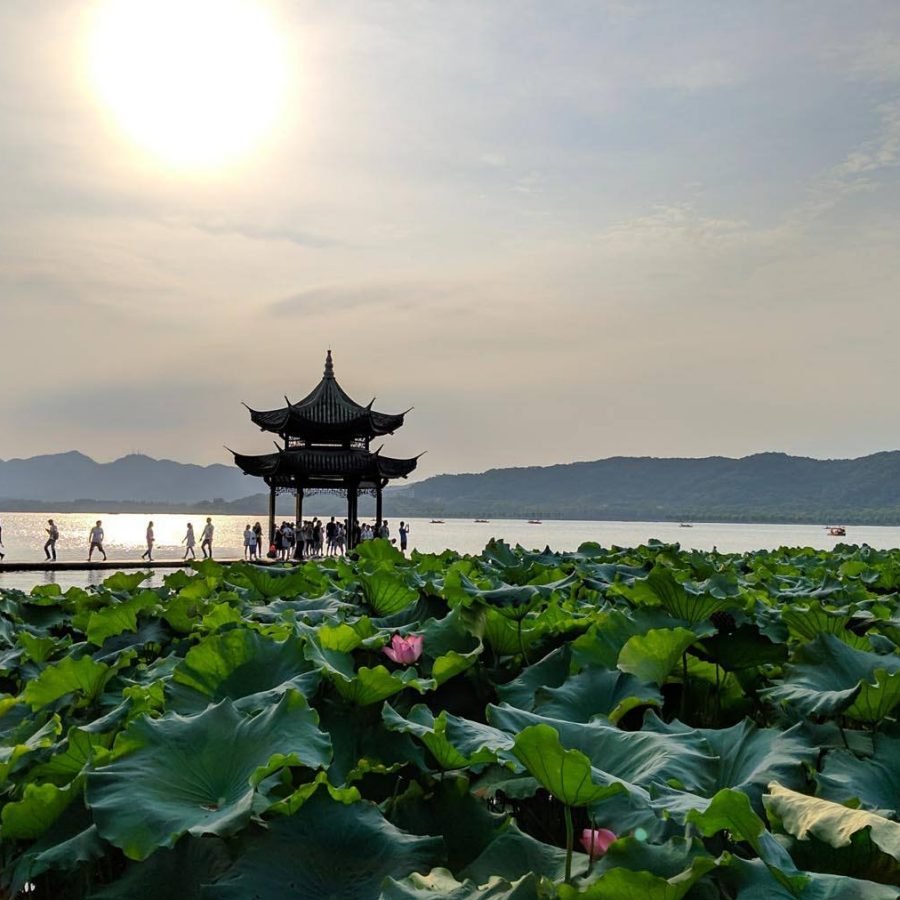
As the hometown of major Chinese companies like e-commerce giant Alibaba, Hangzhou has emerged as the base for many Chinese young entrepreneurs looking to become the next big name in tech. But long before the capital of Zhejiang province turned into an up-and-coming start-up hub, Hangzhou’s Unesco-listed West Lake (Xihu) inspired generations of Chinese poets and artists. Tourists flock to the iconic lake year-round to take in its picture-perfect scenery, which includes temples, pagodas and walkways over the water.
It’s also one of the most appealing places in China for tea enthusiasts who will want to wander through Longjing Village, located in the rolling hills of Xihu district just west of the city centre and famous for its namesake pan-roasted green tea. The high-end version is Mingqian Longjing, with leaves picked during the early spring before Qingming Festival – it can cost thousands of dollars per kilogram.
Best time to visit: spring (March – May) and autumn (September – November)

3. Xiamen: for a European vibe by the sea
The coastal city of Xiamen in Fujian province has been an essential trading port for China since the 1800s, and this identity is reflected in the city’s European-influenced architecture. The best examples of colonial-era villas, mansions, churches and schools can be seen on the Unesco-listed island of Gulangyu, a vehicle-free haven just a short ferry ride from the city centre. This tourist hotspot also has an aquarium and the world’s largest piano museum.
Back in the city on Nanhua Lu and Huaxin Lu – streets that were once home to Chinese migrant workers and merchants returning from overseas – old Western-style villas and mansions have been converted into bookshops, cafes and boutique hotels. Many are decked out in South East Asian-inspired patterned tiles that have become a part of Xiamen’s East-meets-West aesthetic.
A new addition to the city’s attractions is the Xiamen Health Trail. This 23-kilometre walking path opened in early 2020 and connects many of Xiamen’s best-known scenic spots, allowing visitors to take in the relaxed city at their own pace.
Best time to visit: autumn (October – December)
4. Fuzhou: for adventures in culture and nature
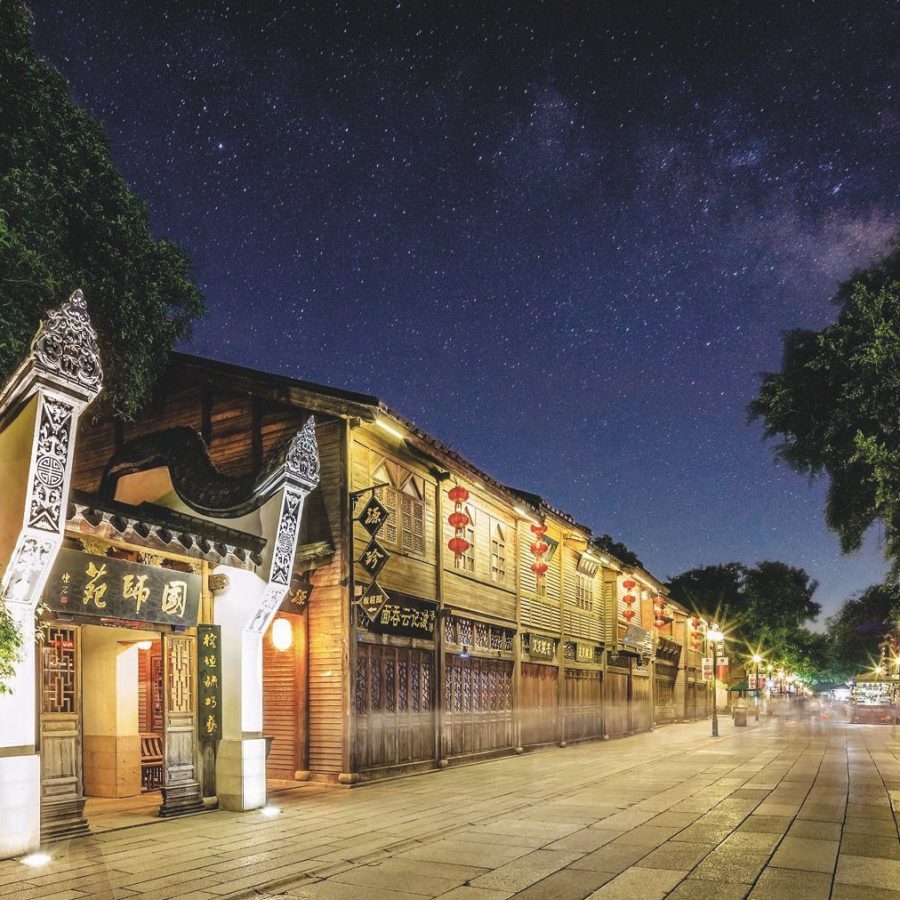
Up the coast from Xiamen lies Fuzhou, the capital of Fujian province and a city that shines with old-town charm. Its cultural centrepiece is Sanfang Qixiang (Three Lanes and Seven Alleys), a 38-hectare area of Ming and Qing dynasty-era buildings that were once home to the city’s elite. These heritage buildings now house cafes, boutiques, shops selling local snacks, and a marketplace showcasing products by young designers.
The city is also an ideal base for several day trips into China’s great outdoors. An hour’s drive from the city is Qingyun Mountain, a popular hiking spot that leads to the beautiful Qinglong (Green Dragon) Waterfall. Another photogenic spot is Xiapu, a small seaside county famed for its mudflats and seaweed farms.
Best time to visit: spring (March – May) and autumn (September – November)
5. Guangzhou: For a blend of past and future
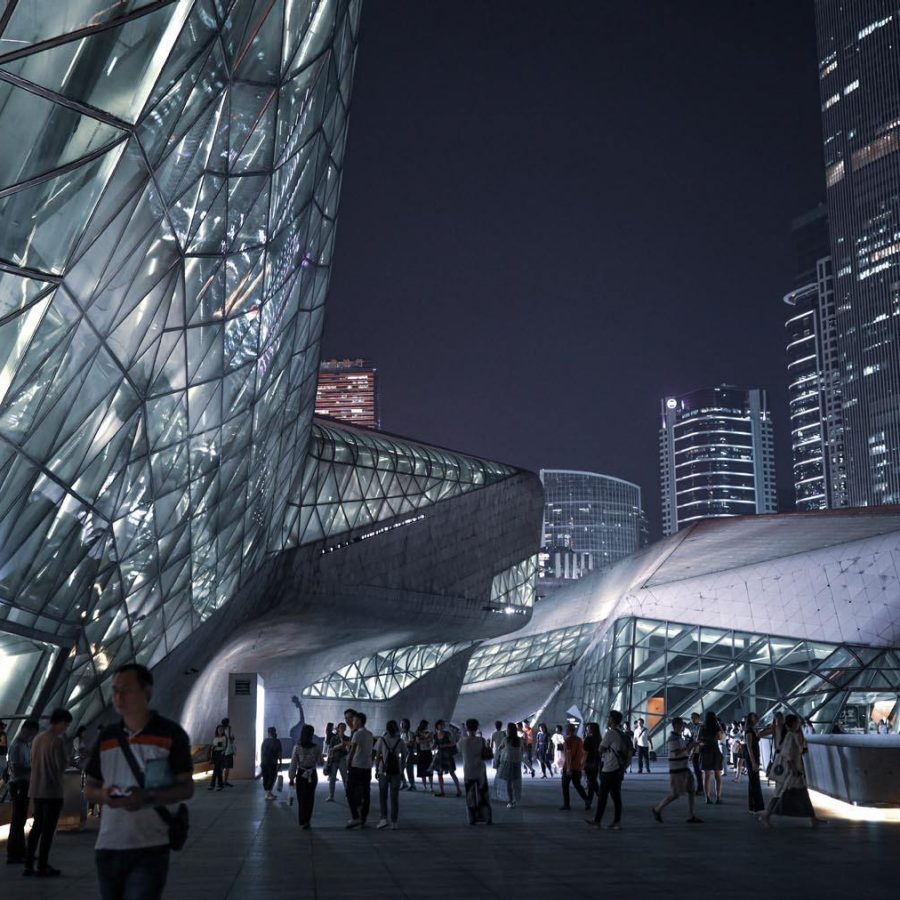
Guangzhou has long been one of China’s major trading hubs and manufacturing centres. Today, the southern city of nearly 15 million is an innovation-driven metropolis playing a key role in the Greater Bay Area, a scheme which combines the Pearl River Delta into an integrated economic powerhouse.
But even as Guangzhou develops at breakneck speed with infrastructural upgrades, towering skyscrapers and big-name hotels, the city has plenty of worthwhile heritage sites. The Dongshankou area, which was an upper-class residential neighbourhood during the early 20th century, is now a hipster hangout featuring art spaces, boutiques, cafes, restaurants and bars housed in restored red-brick mansions.
The city is also the spiritual home of Cantonese cuisine, which means no getaway is complete without a classic dim sum meal. Order dumplings, buns and rolls of all shapes and sizes, washed down with your pick of tea.
Best time to visit: autumn (October – December)


5. Guangzhou: for a blend of past and future
Guangzhou has long been one of China’s major trading hubs and manufacturing centres. Today, the southern city of nearly 15 million is an innovation-driven metropolis playing a key role in the Greater Bay Area, a scheme which combines the Pearl River Delta into an integrated economic powerhouse.
But even as Guangzhou develops at breakneck speed with infrastructural upgrades, towering skyscrapers and big-name hotels, the city has plenty of worthwhile heritage sites. The Dongshankou area, which was an upper-class residential neighbourhood during the early 20th century, is now a hipster hangout featuring art spaces, boutiques, cafes, restaurants and bars housed in restored red-brick mansions.
The city is also the spiritual home of Cantonese cuisine, which means no getaway is complete without a classic dim sum meal. Order dumplings, buns and rolls of all shapes and sizes, washed down with your pick of tea.
Best time to visit: autumn (October – December)
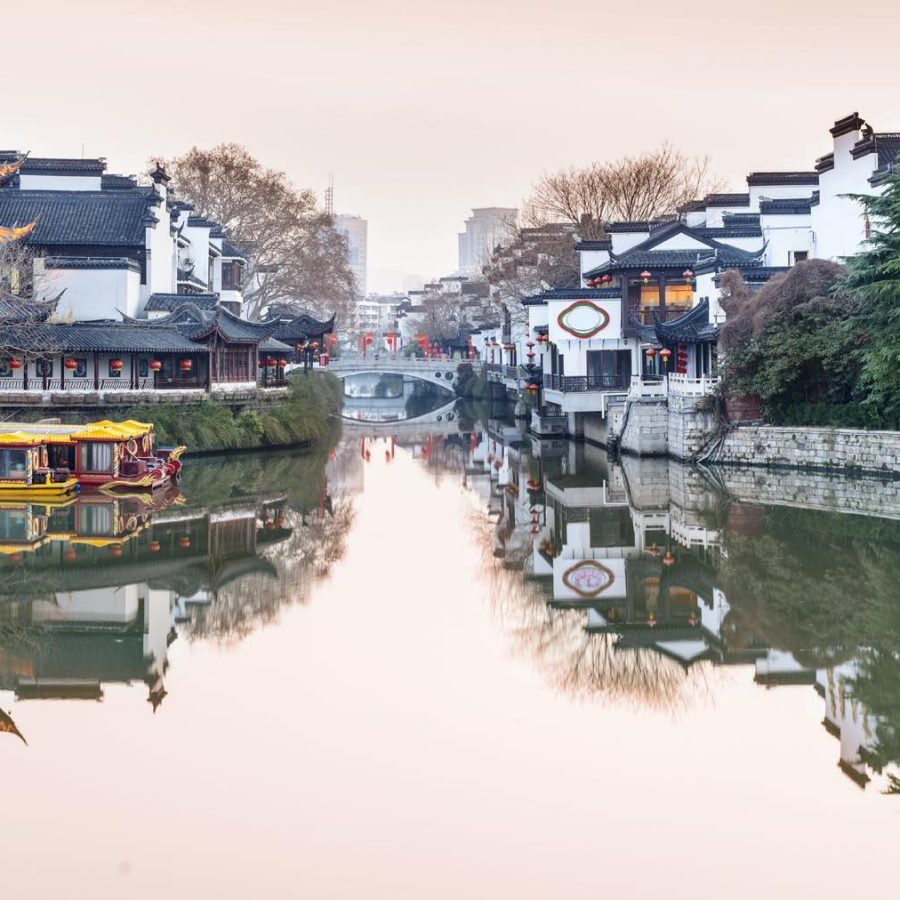
7. Nanjing: for glimpses of ancient history
Nanjing is one of China’s four ancient capitals, along with Beijing, Xi’an and Luoyang. It served as the centre of Chinese political power for six dynasties, and as a result the city is full of sites that will appeal to history buffs, from ancient walls to monuments such as Dr. Sun Yat-sen’s Mausoleum. There’s also the Unesco-listed Ming Xiaoling, the grand mausoleum of the Hongwu Emperor, who founded the Ming dynasty in 1368.
Set along the Qinhuai River in the city centre is Fuzimiao, or the Confucius Temple, which was originally built almost 1,000 years ago to worship the Chinese philosopher. It has evolved to include a complex of shops, restaurants and cafes in restored Ming and Qing dynasty-era buildings.
The historic city is now looking towards the future by focusing on development as a sustainable smart city, attracting enterprises in the tech and green energy sectors to Nanjing to set up research and development centres.
Best time to visit: spring (March – May) and autumn (September – November)
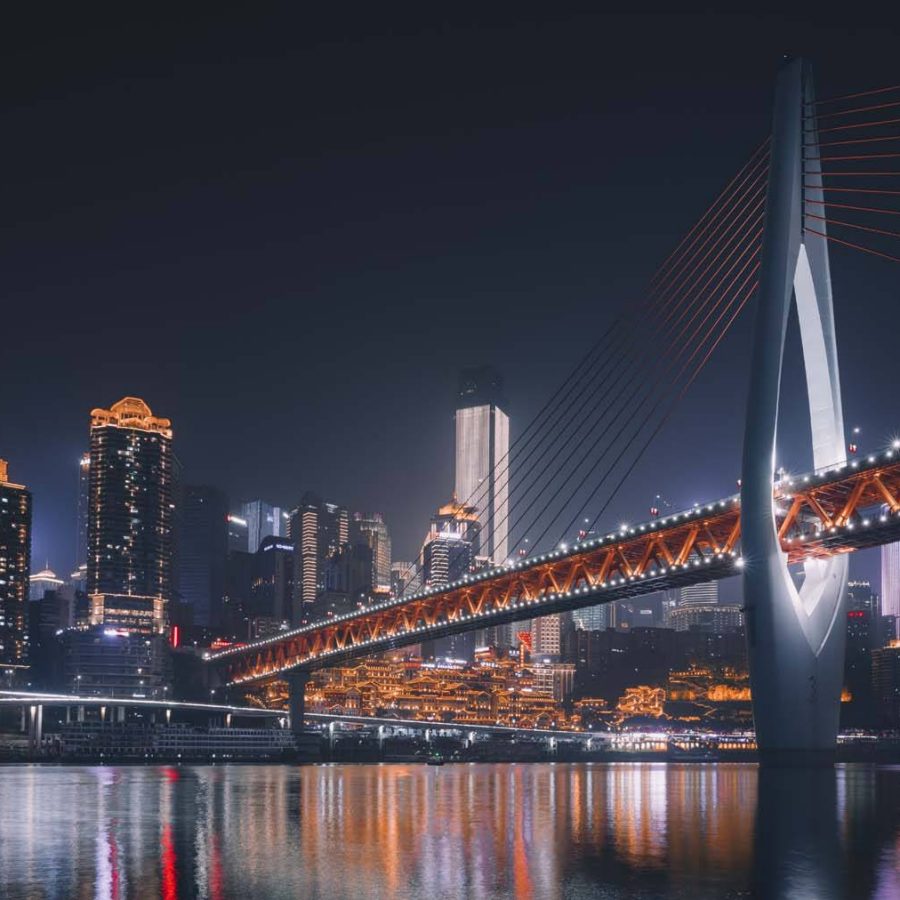
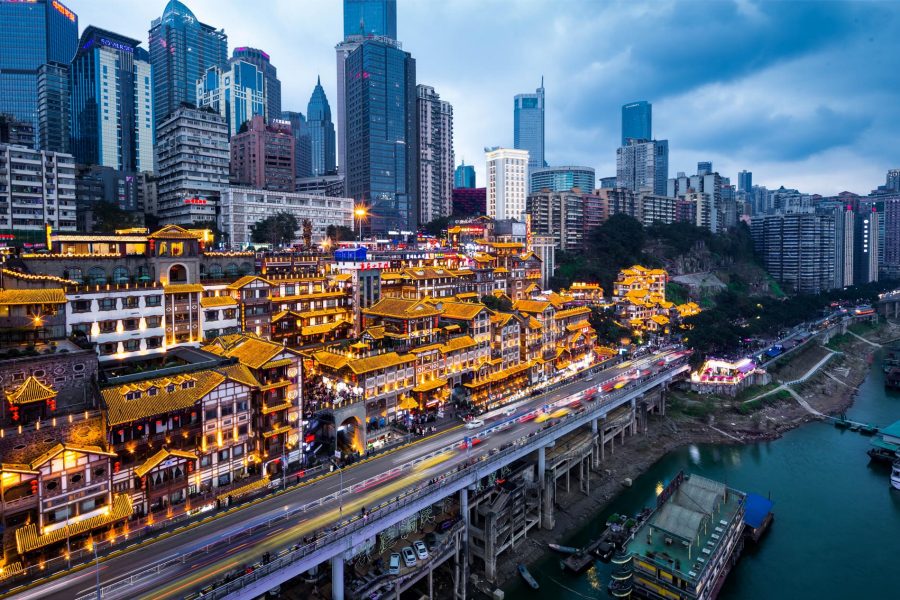
8. Chongqing: for fiery cuisine and a ghost town tour
A fast-growing economic centre and transportation hub for western China, the megacity of Chongqing has a population of over 30 million in an area the size of Austria. In recent years, a range of impressive high-rises have sprung up along the Yangtze and Jialing rivers, which converge on the city’s central business district. Also on the waterfront, one of the hilly megacity’s most popular attractions is Hongya Cave, the site of an ancient military fortress which has been transformed into an 11-storey shopping, dining and lifestyle complex.
Chongqing’s cuisine specialises in spice – make sure to try the sweat-inducing, palate-numbing Chongqing-style hot pot, hot and sour rice noodles and shuizhuyu (boiled fish swimming in a fiery broth of Sichuan chillies and peppercorns).
Find time to venture beyond the city centre with a two-hour drive or train ride along the Yangtze to Fengdu Ghost City. This complex of temples and shrines is a sort of Chinese mythological afterlife theme park.
Best time to visit: spring (March – May) and autumn (September – November)
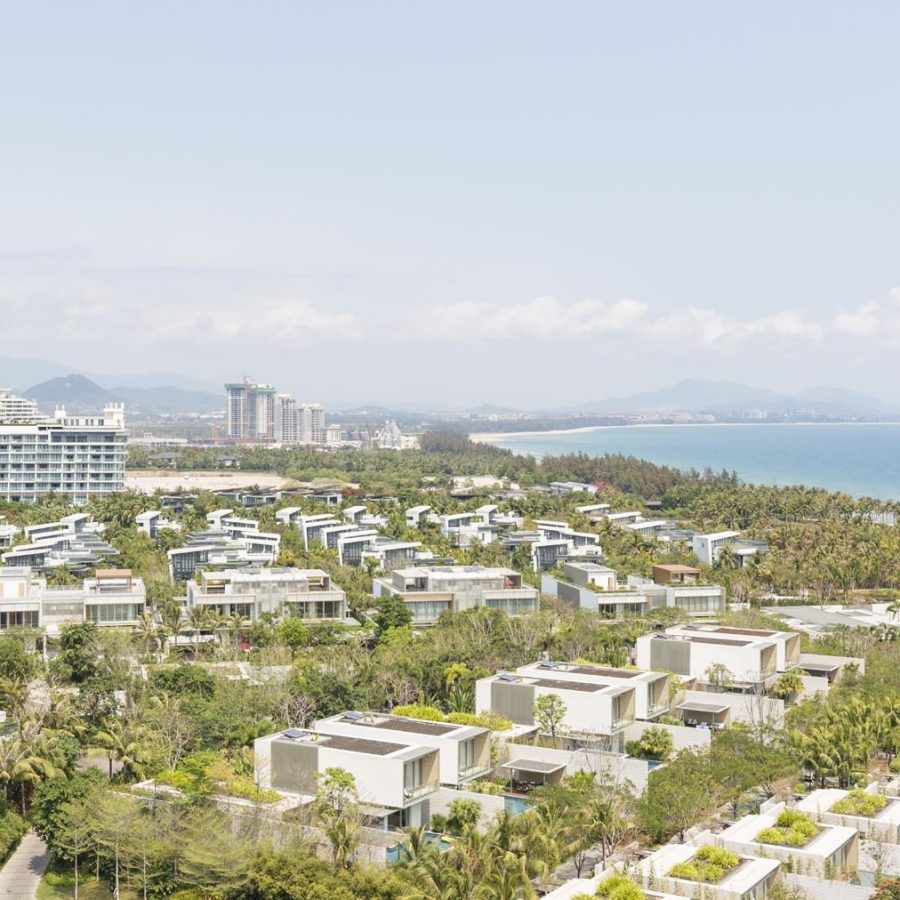
9. Sanya: for the ultimate beach holiday
The seaside city of Sanya sits on the southern end of Hainan Island, the ‘Hawaii of China’. It’s one of the popular places in China to visit year-round, thanks to the tropical climate, beautiful beaches, budding surfing scene and growing number of luxury hotels and resorts, from the MGM Grand and St. Regis in Yalong Bay to the Rosewood and The Edition in Haitang Bay. At the gigantic, 1,314-room Atlantis Sanya resort, guests can live the life aquatic by visiting the onsite water park and open-air aquarium, interacting with various sea animals or staying in one of five underwater suites.
A 90-minute car ride from Sanya takes you to Riyue (sun and moon) Bay – a popular hangout for surfers of all levels and the site of several international surf competitions. The area is also home to China’s national surfing team and academy, where young athletes train for the Olympic Games.
Best time to visit: autumn to spring (October – April)

10. Beijing: For walks through Chinese imperial history
Beijing has served as the nation’s capital for most of the past seven centuries. The 600-year-old Forbidden City was the home of 24 Ming and Qing dynasty emperors and their families, and today the sprawling 72-hectare complex houses the Palace Museum, where millions come each year to see the impressively restored buildings, pavilions, gardens, artifacts and exhibitions.
For a more down-to-earth slice of history, explore the city’s remaining hutongs – narrow alleyways lined by grey-brick, traditional courtyard houses called siheyuan – for a glimpse of what life was like for Beijing residents centuries ago. Among the most popular hutongs in this urban maze are Nanluoguxiang, Dongsi and Wudaoying, where you’ll find some of the city’s hippest bars, restaurants, cafes and boutique hotels, hidden within restored buildings.
Best time to visit: spring (March – May) and autumn (September – November)

Credit: Ed Freeman/Getty Images

Credit: Jackyenjoyphotography/Getty Images
11. Zhangjiajie: for otherwordly peaks and dizzying heights
If the towering quartz-sandstone pillars of Zhangjiajie National Forest Park look like they belong on another planet, it’s because they practically do – this dramatic landscape famously served as the visual inspiration for the floating Hallelujah Mountains in the movie Avatar. Located in northwestern Hunan province, this Unesco World Heritage site is a paradise for nature lovers and thrill-seekers alike. You can wander through the misty, subtropical valleys looking up at thousands of jagged peaks, or take the sky-high Bailong Elevator – the world’s tallest outdoor lift – to be whisked up a sheer cliff face for breathtaking panoramic views.
Beyond the forest park, the region offers plenty of heart-racing architecture. Nearby Tianmen Mountain features a massive, naturally formed water-eroded cave known as “Gateway to Heaven”, reachable via the world’s longest cable car. For those with a stomach for heights, the area boasts several glass-bottomed skywalks suspended thousands of feet above the canyons, offering an unforgettable (and spine-tingling) perspective on China’s rugged wilderness.
Best time to visit: autumn (September – November)

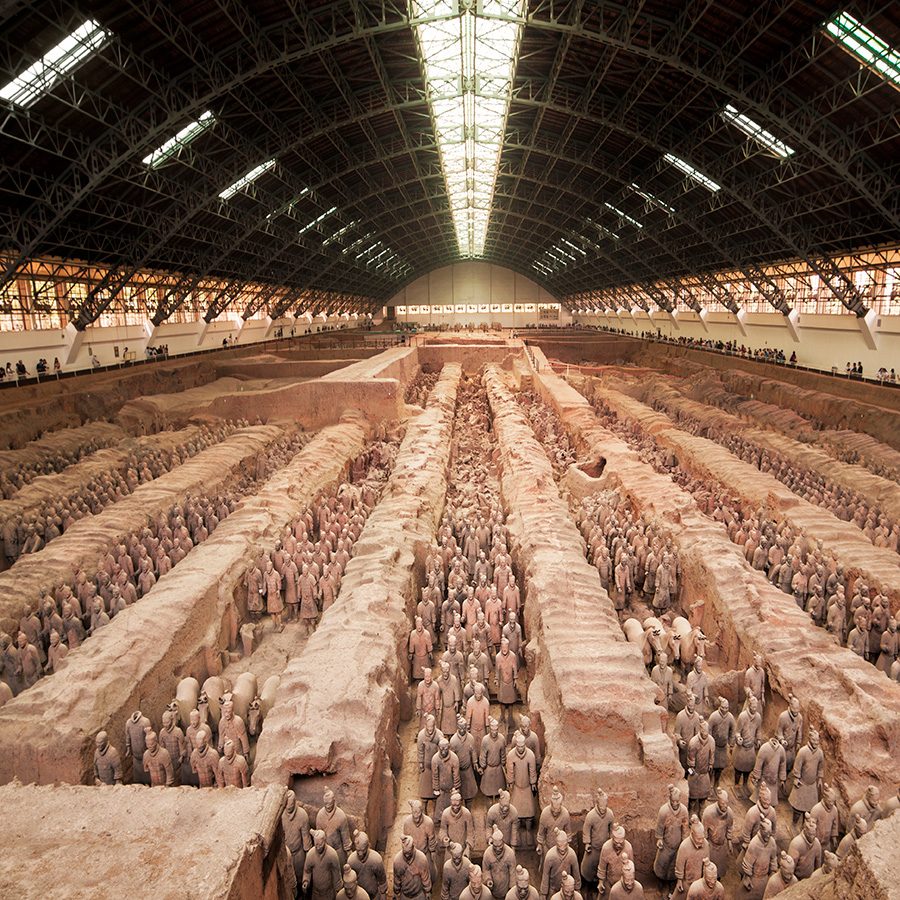
12. Xi’an: for ancient fortifications and a culinary melting pot
As the eastern starting point of the ancient Silk Road and a capital to 13 Chinese dynasties, Xi'an is a living museum of imperial history. Its ultimate crown jewel lies just outside the city centre: the Terracotta Army, an astonishing underground legion of thousands of life-sized, uniquely sculpted clay warriors built more than 2,000 years ago to protect China’s first emperor in the afterlife. Back in the heart of the city, history takes on a tactile form at the Ancient City Wall. Originally constructed during the Ming dynasty, it’s one of the oldest and best-preserved military defense systems in the world.
Xi'an’s historic role as a trading crossroads has also left a vibrant cultural and culinary legacy. Just behind the iconic Drum Tower, the bustling alleyways of the Muslim Quarter come alive every evening with glowing neon lights and aromatic steam. It’s a true food lover's paradise where Central Asian and Chinese traditions fuse seamlessly; here, visitors can rub shoulders with locals to sample iconic Shaanxi street food like roujiamo (savory pulled pork or beef tucked into crispy flatbread) and hand-pulled biangbiang noodles, washed down with a cold bottle of local pomegranate juice.
Best time to visit: spring (April – June) and autumn (mid-September – November)
Practical travel tips for travelling to the Chinese Mainland
Planning a trip to explore the top 10 places to visit in China is easier than ever, but a little preparation goes a long way.
Visa requirements
China has expanded visa-free policies for selected nationalities and transit travellers, but requirements can vary. Always check the latest entry rules before travelling to ensure a smooth journey.
Apps and connectivity
Popular international apps may be restricted, so consider downloading local alternatives such as WeChat for messaging, payments and bookings. A VPN may be useful for accessing certain services.
Payment methods
Mobile payments dominate across most places in China, with WeChat Pay and Alipay widely accepted. While cash is still usable, setting up a digital wallet linked to your card is highly recommended.
Transport and getting around
China’s high-speed rail network connects many major cities efficiently, making it easy to travel between destinations like Shanghai, Hangzhou and Beijing. Within cities, metro systems are modern, affordable and tourist-friendly, with English signage in most major hubs.
From ancient capitals to modern megacities and tropical escapes, these places to visit in China offer unforgettable experiences for every traveller. Whether you’re exploring culture, cuisine or nature, this guide highlights the best places to visit in China for your next journey. Book your Cathay Pacific flight to China and start planning your adventure today.
Your questions, answered
This article was original published in November 2020 and updated in July 2026.