Australia’s best beaches

What you'll find in this guide:
A curated selection of Australia's best beaches, from famous stretches of sand to remote and quirky coastal gems. Iconic spots like Cable Beach, Bells Beach and Wineglass Bay, and Whitehaven Beach and Lucky Bay.
A new look at Australia's best islands, including the Whitsundays, Rottnest Island, Kangaroo Island, Lord Howe, K'gari and Cocos (Keeling).
Beach culture permeates every aspect of Australian life – from its fashion to its cuisine. The country’s most famous city beaches, such as Bondi (Sydney), Glenelg (Adelaide) and Cottesloe (Perth), are now globally recognised. But what about the more obscure, remote and downright quirky coastal beauty spots? Here are 12 of Australia’s best beaches that fulfil those criteria. So grab your board shorts, slap on some suncream and take the plunge. The water’s fine.
Australia's best beaches
1. Cable Beach, Broome, Western Australia
Ideal for: couples, families, camel riders
For anyone with Lawrence of Arabia fantasies, a sunset camel ride here is a must. Camels were first used in Australia by 19th century explorers and provide a link with that derring-do Outback spirit (most recently in Robyn Davidson, whose epic adventure and book Tracks was made into a 2013 film). Thanks to its remote location near the pearling town of Broome on the Kimberley Coast, Cable Beach – named after the telegraph cable that reached here from Java in 1889 – remains largely crowd-free. It’s a place of innocent fun on the far reaches of civilisation.
2. Shell Beach, Shark Bay, Western Australia
Ideal for: swimmers, photographers
In a country that idolises white sand beaches, this 100-kilometre-long beach consisting entirely of tiny white shells is something of an oddity. This intriguing coastal phenomenon is a magnet for swimmers, snorkellers and photographers from around the world – despite its remote location on the Peron Peninsula, 831 kilometres north of Perth. What makes Shell Beach unique is that all the shells are derived from the same creature – the Hamelin cockle. The beach is part of Shark Bay, a Unesco World Heritage site best known for the playful bottlenose dolphins at Monkey Mia, and is a 45-minute drive from the small township of Denham on the main north-south highway.

Credit: RooM the Agency / Alamy / Argusphoto
3. Main Beach, Gold Coast, Queensland
Ideal for: swimmers, surfers
The Australian conman Peter Foster once described Queensland’s Gold Coast as ‘a sunny place for shady people’. It’s worked hard on its image since. This glittering coastal strip, flanked by high-rise apartment blocks, offers an intoxicating mix of natural beauty, consumer excess and gym-hardened bodies. Main Beach, adjacent to the district of Southport, is the beating heart of the Gold Coast, attracting early morning joggers, pro-surfers and the international backpacker brigade. Surfers have flocked to the area since the 1920s – hence the renaming of Gold Coast’s Elston district to Surfers Paradise in 1933. The once-popular bikini-clad Meter Maids, who would insert money into expired parking meters, have hung up their gold sashes and gone into corporate hospitality.

Credit: Tim Starkey/iStockphoto/Getty Images
4. Hyams Beach, Jervis Bay, New South Wales
Ideal for: swimmers, snorkellers
Ever sat on a beach and watched a humpback whale swim past? During migration season (May to November) such astonishing sights are standard fare at Hyams Beach, a modest curve of sand bookended by rocky outcrops in Jervis Bay, a coastal paradise 198 kilometres south of Sydney. The sand here was once rated by Guinness World Records as the whitest in the world, but most visitors are equally impressed with the coastal hamlet’s laidback 1960s innocence. There are pastel-coloured cottages for rent and a bustling little café in the village. This is one of Australia’s best beaches for swimming, snorkelling, kayaking and other gentle aquatic activities.

Credit: Carlo Olegario/Flickr RF/Getty Images
5. Camp Cove, Sydney, New South Wales
Ideal for: couples, families, hikers
The ferry ride from Circular Quay to Watson’s Bay is a popular excursion for Sydneysiders and visitors alike, but few daytrippers bother to walk the few hundred metres onto Camp Cove, one of the city’s prettiest harbour beaches. For thousands of years this secluded cove was a popular fishing spot for Aboriginal people; their rock carvings can be found nearby. The First Fleet, a flotilla of 11 ships carrying the first European settlers, spent a night here in 1788. Today’s visitor will find gentle waves, a modest kiosk and cold showers. From Camp Cove follow the walking trail to South Head, a rocky outcrop at the entrance to Sydney Harbour offering panoramic views.

Credit: Mitch McMillan
6. Jibbon Beach, Royal National Park, New South Wales
Ideal for: families, swimmers, hikers
One of the joys of travelling in Australia is swimming off a beach fringed with natural bushland. Jibbon Beach, just 56 kilometres south of Sydney in the Royal National Park, is one such place. Jibbon is derived from the indigenous Dharawal word djeebahn, which means ‘sandbar at low tide’. The beach, near the settlement of Bundeena, was important to the local Aboriginal tribes prior to European settlement. Aboriginal rock carvings, disused campsites and middens (mounds of discarded shells) can be found here. To visit Jibbon Beach from Sydney, take the train to Cronulla and then a ferry across Port Hacking to Bundeena.

Credit: Boyshots / Getty Images
7. Wategos Beach, Byron Bay, New South Wales
Ideal for: swimmers, surfers, weddings
The far north coast of New South Wales is celebrated for its long, sandy and mostly deserted beaches. At Byron Bay, the state’s hippy lifestyle mecca, going to the beach is a more communal affair. Surrounded by Hollywood-style mansions, Wategos is Byron’s most exclusive stretch of sand – and a favourite with middle-aged surfing stockbrokers. The narrow laneways are packed with Range Rovers and Porsches, so it’s best to walk, or cycle, from town. Once here you’ll find a lovely curved beach flanked by high, thickly forested hillsides. Wategos is great for swimming, surfing and just paddling with the kids. Bring a picnic and stay for a few hours.

8. Mills Beach, Mornington Peninsula, Victoria
Ideal for: families, swimmers, sunbathers
Mention the word ‘beach’ in Victoria and most people will point you in the direction of St Kilda, Melbourne’s popular bayside swimming beach. But venture southeast to the Mornington Peninsula and you’ll find some picturesque, family-friendly swimming beaches within easy reach of the city. The brightly coloured beach huts at Mills Beach are a much-photographed feature of this location, but visitors will also find clean sand, gentle waves, ample parking and a grassy picnic area. Although surf conditions are normally placid, the beach is patrolled by lifeguards in the summer months. At the western end is a headland with a viewpoint offering fine ocean views.

Credit: David Wall / Alamy / Argusphoto
9. Bells Beach, Great Ocean Road, Victoria
Ideal for: experienced surfers, beach walkers
For surfers around the world, Bells Beach is something of a shrine. Until 1960 this spectacular piece of coastline was a closely guarded secret. It wasn’t until Olympic wrestler Joe Sweeney hired a tractor and cut an access road to the beach that Bells began to attract surfers from across Australia – and eventually the world. The annual Rip Curl surfing competition at Bells , held every Easter, is now the world’s longest-running pro-surfing festival. The massive breaks here are only for the most experienced surfers. Beginners should choose one of the quieter beaches closer to Torquay – if in doubt ask for advice at the nearest surf shop.

Credit: Walter Bibikow/AWL Images RM/Getty Images
10. Aldinga Beach, Fleurieu Peninsula, South Australia
Ideal for: swimmers, bodyboarders, beach cricketers
Apart from playing cricket for their country, Australians dream about driving their cars along long stretches of beach. Environmental restrictions and safety concerns have long kept this obsession in check. But South Australia is one of the last places on the continent where it is legal to drive and park your car on the beach. At Aldinga Beach, 47 kilometres south of Adelaide, drivers can slip out from behind the wheel and dive right into the ocean. Aldinga does not offer much swell, but is good for swimming, bodyboarding, kayaking and beach cricket.

Credit: Nick Rains/Corbis Documentary/Getty Images
11. Wineglass Bay, Tasmania
Ideal for: hikers, photographers
As Australia’s most southern state, Tasmania is not usually billed as a beach destination: a shame. For those who enjoy beach walking, sea kayaking, fishing, sailing, rock climbing and other coastal pursuits, the island is a paradise, with pristine oceans, dramatic headlands and endless stretches of flawless sand. Wineglass Bay, on the east coast, is perhaps the state’s most famous beach – an immaculate curve of white sand and aquamarine water framed by the majestic Hazards mountain range. The bay, part of the Freycinet National Park, is only accessible by foot or boat. The nearest accommodation is at the small settlement of Coles Bay.

Credit: Ippei Naoi/Moment/Getty Images
12. Cape Tribulation, Queensland
Ideal for: couples, swimmers, photographers
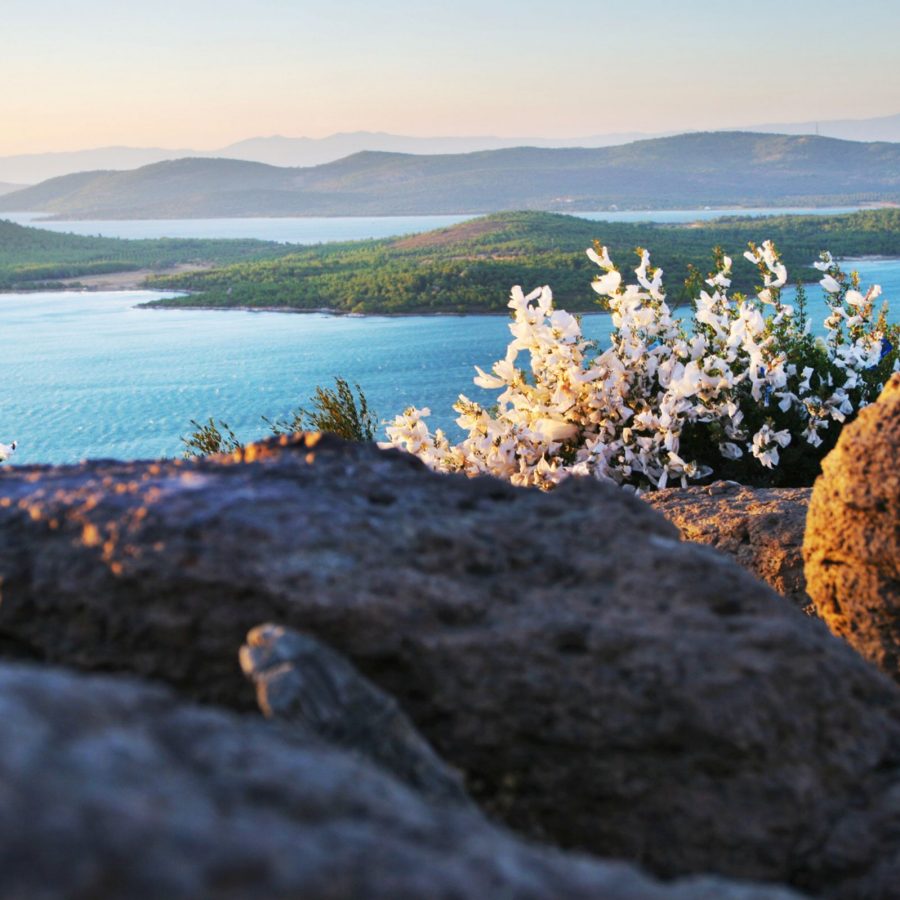
Cape Tribulation, in the far north of Queensland, marks the exact spot where the ancient Daintree Rainforest and the Great Barrier Reef, both Unesco World Heritage sites, collide. The cape, named by English explorer Lieutenant James Cook after his ship almost ran aground near here in 1770, is one of the most evocative places on the east coast of Australia. The sheer scale – and emptiness – of the place is jaw-dropping, so allow plenty of time to explore the beach, frolic in the ocean and take photographs. Despite its idyllic appearance, the beach is not without its dangers, including box jellyfish (November to May) and crocodiles. Proceed with care.
Credit: Getty Images
13. Whitehaven Beach, Whitsundays, Queensland
Ideal for: photographers, snorkellers, island-hoppers
With brilliant white silica sand and turquoise waters, Whitehaven Beach is one of Australia’s most famous stretches of coastline. Take a boat trip from Hamilton Island or join a Whitsunday cruise to reach the beach, which sits within the Great Barrier Reef.
Credit: Ippei Naoi/Moment/Getty Images
14. Lucky Bay, Western Australia
Ideal for: wildlife lovers, photographers, beach campers
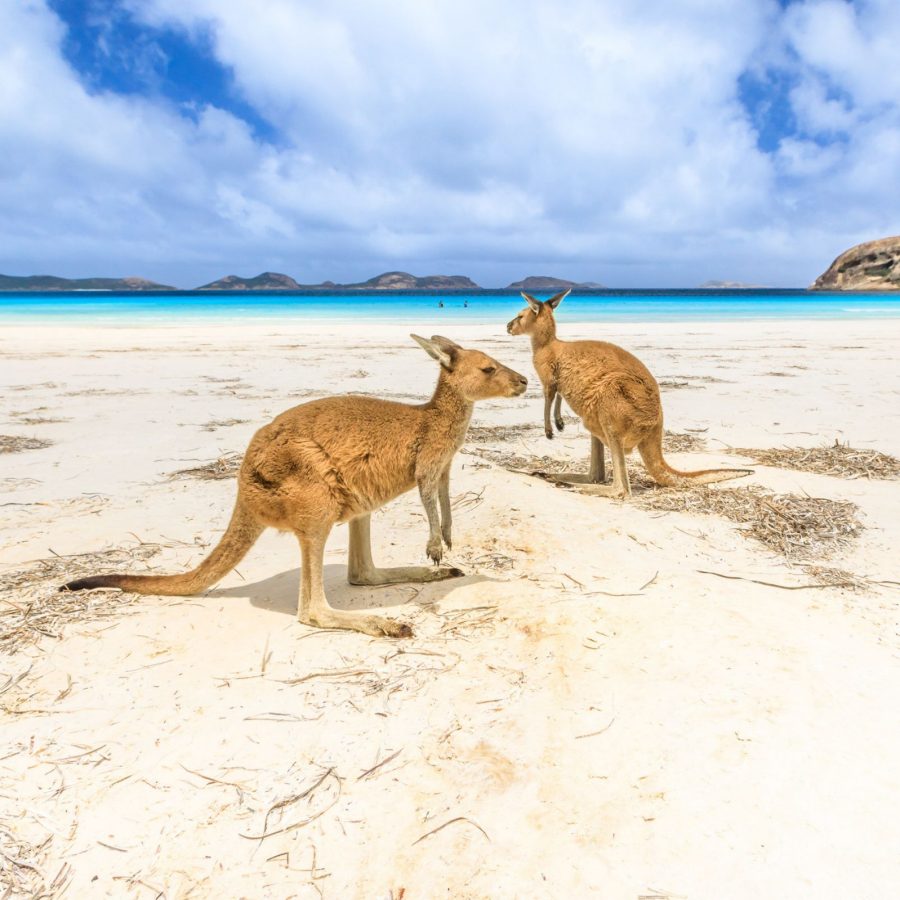
Located in Cape Le Grand National Park near Esperance, Lucky Bay is famous for its dazzling white sand, turquoise water and kangaroos that can often be seen on the beach. Come for the striking coastal scenery and the chance to encounter some of Australia’s best-known wildlife.
Australia’s best islands
Beyond its beaches, Australia is home to spectacular islands that make a natural addition to a coastal escape. From the wildlife and laid-back beaches of Rottnest Island to the tropical landscapes of the Whitsundays, these island destinations offer plenty of opportunities to experience nature and the outdoors.

Credit: Ippei Naoi/Moment/Getty Images
The Whitsundays, Queensland
Made up of 74 islands in the Great Barrier Reef, the Whitsundays are a popular choice for sailing, snorkelling and tropical island escapes off Australia’s east coast.
Credit: Getty Images
Credit: Getty Images
Rottnest Island, Western Australia
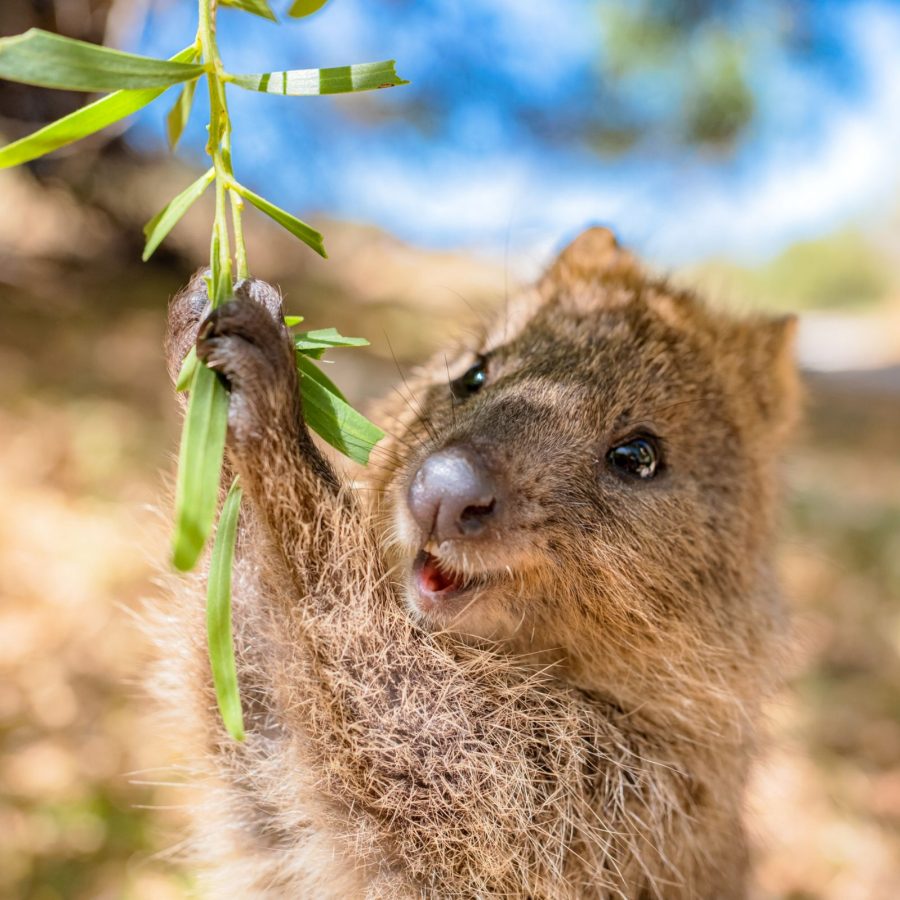
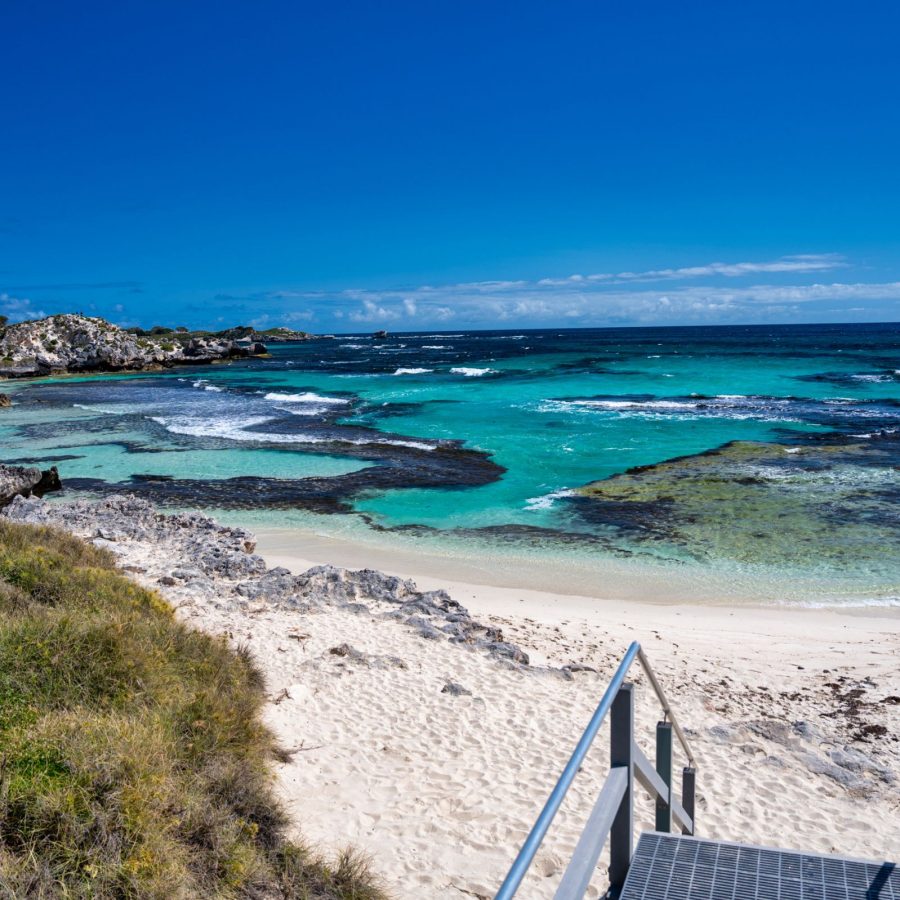
Just off Perth, Rottnest Island is known for its clear waters, beaches and friendly quokkas. With 63 beaches to explore and no private cars, it’s well suited to cycling, swimming and wildlife spotting.
Kangaroo Island, South Australia
Kangaroo Island brings together dramatic coastal landscapes, secluded beaches and abundant wildlife. Beyond its sandy shores, there are opportunities to spot seals, sea lions and other native wildlife, making it an appealing choice for travellers looking to experience the wilder side of Australia.
Lord Howe Island, New South Wales
A World Heritage-listed island around two hours by air from Sydney or Brisbane, Lord Howe Island is known for its rainforest, white-sand beaches and endemic wildlife. Visitor numbers are limited, helping the island retain its peaceful, unspoilt feel.
Credit: Getty Images
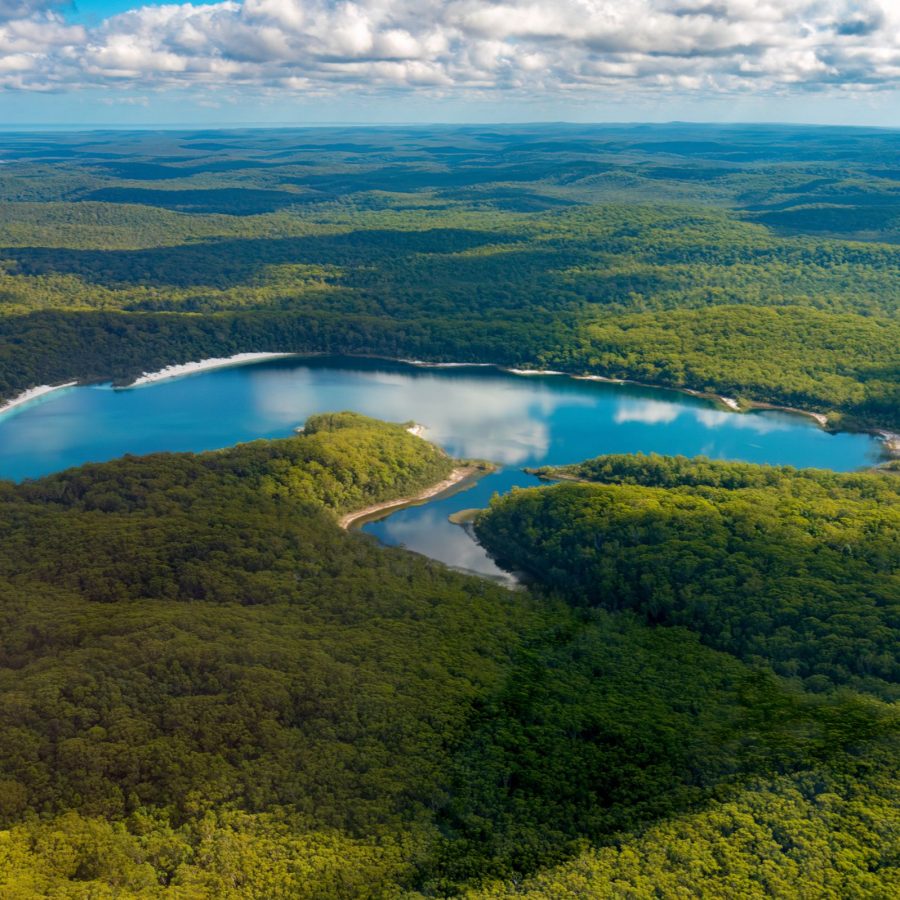
K’gari, Queensland
Formerly known as Fraser Island, K’gari is the world’s largest sand island and is known for its long beaches, freshwater lakes and wild landscapes. The island is around a six-hour drive north of Brisbane and offers a more adventurous island experience.
Cocos (Keeling) Islands, Western Australia
For a more remote tropical escape, head to the Cocos (Keeling) Islands in the Indian Ocean, around 2,750 kilometres northwest of Perth. This Australian territory is known for its white-sand beaches, turquoise lagoons and coral reefs, with plenty of opportunities for swimming, snorkelling and diving.
Australia beach and island FAQs
This story was originally published in May 2017 and updated in October 2026.