Where to go camping in Hong Kong

Camping in Hong Kong is easier than you might think, with plenty of scenic spots to make the great outdoors your home for a night or two.
There are more than 40 government-run campsites around the city, alongside others run by NGOs and private companies. Many are free to enter and most are easily reached by public transport, although a few require a bit of a hike to get there, while for others, you may have to hop on a ferry before putting in the hard yards to the mountaintops and beaches they’ve staked claim to. We share the best places to camp in Hong Kong below.

Credit: gionnixxx/Getty Images
Tai Long Wan, Sai Kung
Big, famous and far away
Probably the most well-known spot for camping in Hong Kong, Tai Long Wan is a collection of four beautiful beaches – Sai Wan, Ham Tim, Tai Wan and Tung Wan – offering white sand, clear water and dreamy views of a bay dotted with tiny islands, making them feel more like a Southeast Asian island paradise than part of one of the world’s busiest cities.
The sea can be fierce at times – hence its name, which means ”Big Wave Bay”. There are basic facilities and a few restaurants and shops, where you can rent a tent and other camping equipment.
How to get there: take a bus to Sai Kung town from Hang Hau, Choi Hung, Diamond Hill or Mong Kok MTR stations. From there, options include taking a speedboat the whole way; taking bus 29R or a taxi to Sai Wan Pavilion and hiking for 90 minutes to Ham Tin or Tai Wan; or taking bus 94 and either hiking east along the MacLehose Trail for 90 minutes from Pak Tam Au or taking a ferry from Wong Shek Pier to Chek Kang and hiking for an hour.

Credit: TOMMY AU PHOTO/Getty Images

Credit: gionnixxx/Getty Images
Long Ke Wan, Sai Kung
For blissful beach vibes
This official government campsite feels very far away, but is surprisingly easy to get to. While you’ll need to bring everything – tent, sleeping bag, cooking equipment and water – it’s well worth the trek for the spectacular setting: a wide, flat, extremely pretty beach in a tight bay shrouded by hills, with uninterrupted sea views. Nearby, High Island Reservoir, the access point to the beach, features ancient rock formations.
How to get there: from Sai Kung town centre, take a taxi to the very end of Sai Kung Man Yee Road, on a dam over High Island Reservoir, then hike north for 20 minutes along Section 1 of the MacLehose Trail.
Credit: Mike Pickles
Pui O, Lantau Island
Chill by the bay
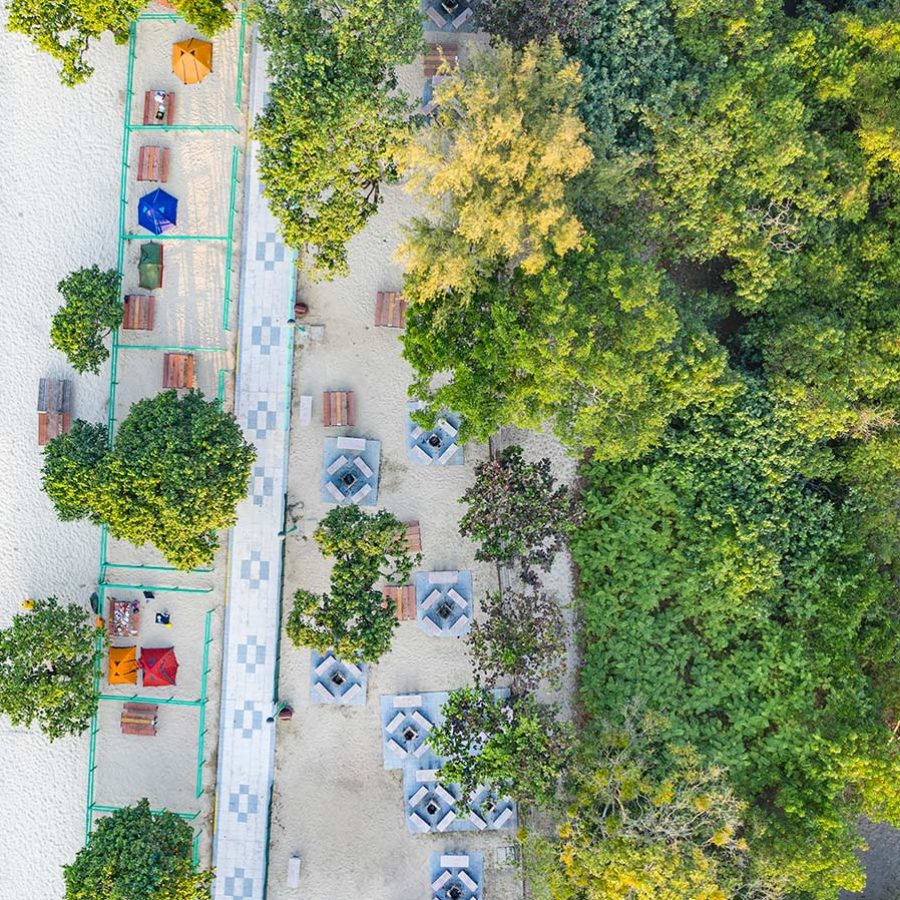
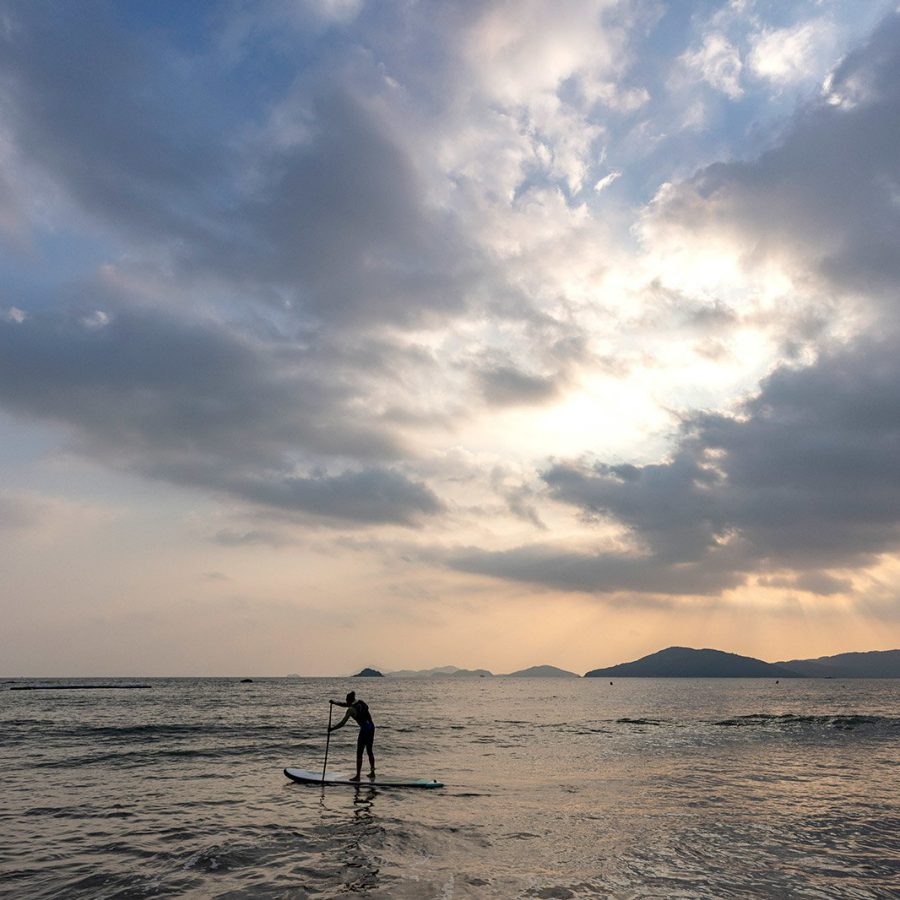
Lantau Island’s Pui O provides plenty of reward for little effort. Easy to reach, it’s a long, tranquil beach with fine sand, trees and sensational sunset views. It’s tucked into a bay, although major shipping lanes and Macao ferries are within your line of sight. The government-run campsite gives you a little fenced-off area for your tent and access to barbecue pits; there are also public toilets and changing rooms. A small shop and a few restaurants are on the beach, and several more are a few minutes’ walk away on the main road.
How to get there: take a ferry from Central to Mui Wo, where buses 1, 2, 3M and 4 pass through Pui O; or take the MTR to Tung Chung and bus 3M to Pui O.
Credit: Mike Pickles
Long Coast Seasport, Lantau Island
The one for watersports
Located by the long, beautiful, often underpopulated Cheung Sha Beach, on the south coast of Lantau, Long Coast Seasport is a top choice for water enthusiasts looking to go camping in Hong Kong; it’s a watersports centre offering sailing, windsurfing, kiteboarding, kayaking, wakeboarding and more, with lessons and combined activity and accommodation packages available. It’s very much at the glamping end of the spectrum, with fully equipped safari tents and static caravans featuring air conditioning, comfortable beds and private bathrooms. Breakfast is included, and there are shops and popular restaurants such as Harbour Bar and Restaurant on the beach.
How to get there: take the ferry from Central to Mui Wo, then one of the several buses to Cheung Sha Beach.

Credit: CHUNYIP WONG/Getty Images
Grass Island, Sai Kung
Turf's up
This tiny dot off the coast of Sai Kung, known as Tap Mun in Cantonese, lives up to its name: the extensive patches of lush grass are perfect for pitching a tent. Like most of Hong Kong’s islands, it’s hilly, providing stunning views, especially at sunrise and sunset. There’s a resident population in a small fishing village in the south-west of the island, dotted with temples, small eateries and shops. Be sure to bring most of your own food, but don’t leave it unattended, as the island is also home to numerous wild cows that will happily help themselves to your stash.
How to get there: there are two ferry routes: either take bus 96R (weekends and public holidays only) from Diamond Hill MTR Station or bus 94 from Sai Kung town centre to Wong Shek Pier; or take a short taxi ride from University MTR Station to Ma Liu Shui Pier.

Credit: Elvis Chung

Credit: Elvis Chung
Tung Lung Chau
Walk on the wild side
A wild, rugged island in the south-eastern New Territories, Tung Lung Chau packs plenty into its 2.42 square kilometres. It features prehistoric stone carvings; the ruins of a 16th-century fort; pleasant walking paths to the scenic southern tip and over the 230-metre-high Nam Tong Shan; and some of Hong Kong’s best outdoor rock climbing. The island tends to be pretty empty, perhaps because of its limited ferry services and very basic facilities. The government campsite , however, is in a picturesque location next to the fort.
How to get there: there are kaito services on weekends and public holidays to and from Sai Wan Ho Pier, close to Sai Wan Ho MTR Station; and to and from Sam Ka Tsuen, close to Yau Tong MTR.
Credit: Mike Pickles
Ngong Ping, Lantau Island
Sleep in the shadow of the Buddha
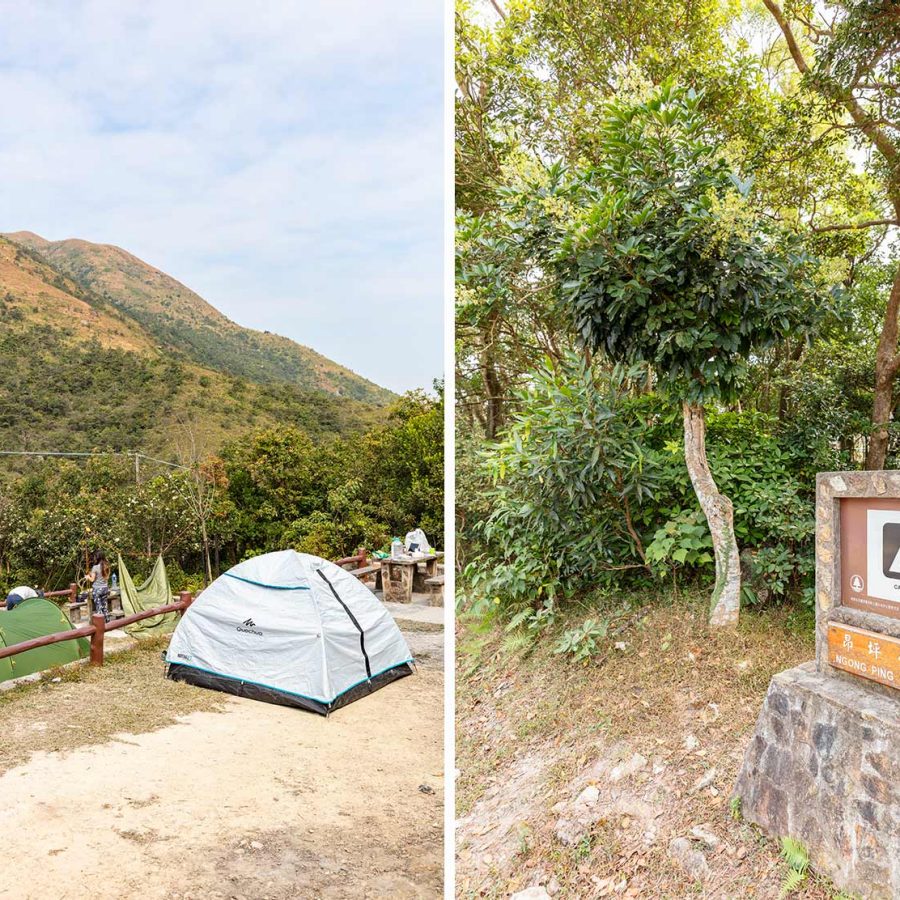
Camp out by one of Hong Kong’s top attractions – Lantau Island’s 34-metre-tall seated bronze Tian Tan Buddha – after the daytime tourist hordes have cleared out. The well-equipped campsite is in a wooded valley a short walk from the so-called Big Buddha and the adjoining monastery, part of a highland area about 400 metres above sea level, next to the majestic Lantau Peak. It’s reachable by public transport, offering beautiful views of the sea, mountains and even the Hong Kong-Zhuhai-Macao Bridge. The adjoining tourist village of Ngong Ping has ample shops and eateries for a convenient getaway.
How to get there: take the MTR to Tung Chung, then either bus 23 to Ngong Ping or the Ngong Ping 360 cable car – the glass-bottomed cabins afford particularly lovely views of steep forested hillsides, the sea and the airport; or take the ferry from Central to Mui Wo and bus 2 to Ngong Ping.
Credit: Mike Pickles
Gilwell, Kowloon
Scout out the local sights
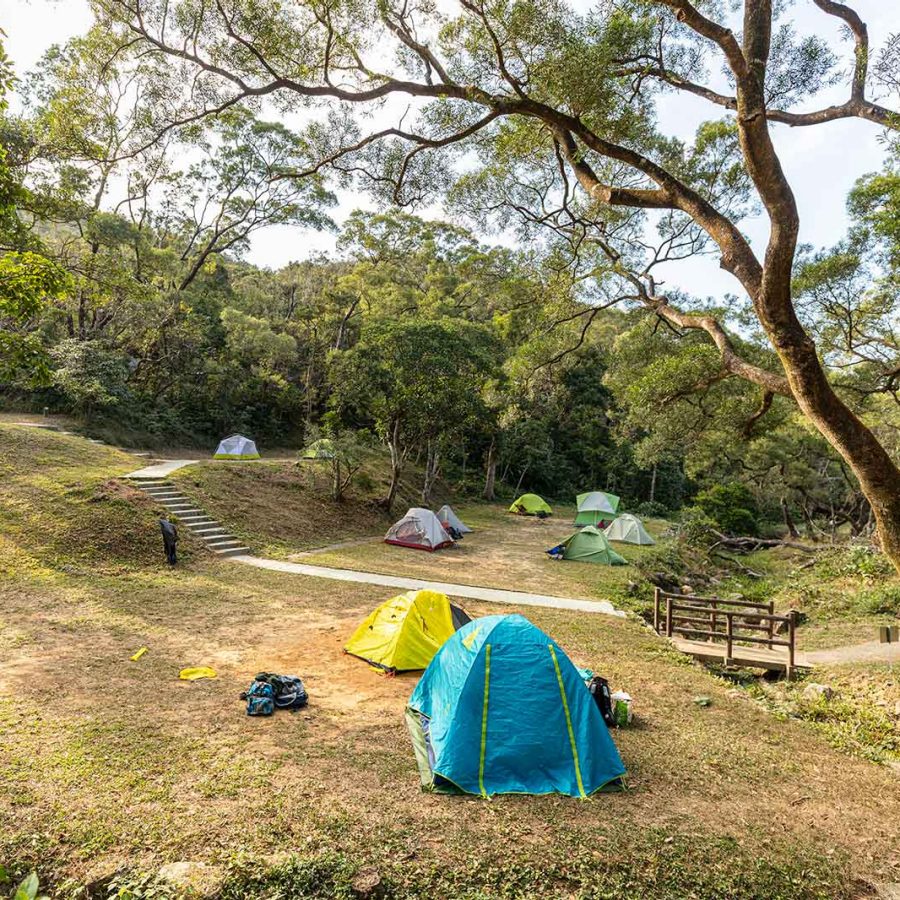
Conveniently located yet surprisingly immersed in nature, Gilwell Campsite is owned by the Scout Association of Hong Kong. It’s spacious, thoughtfully designed, surrounded by greenery and well positioned – close to the intersection of Hong Kong’s two longest hiking routes, the MacLehose and Wilson, trails and also just a short walk from panoramic views of Kowloon, the harbour and beyond. It’s accessible by road, which is handy given that there are no shops or services nearby, although there’s a massive barbecue pit and some rather nice wooden showers and toilets.
How to get there: take the MTR to Choi Hung, then walk along Clear Water Bay Road for half an hour or take buses 91 or 92 to Anderson Road Station, turn left at Fei Ngo Shan Road and hike for about 45 minutes – or take a taxi all the way there.
This article was originally published in January 2022 and updated in October 2026.